2026 Best Aluminium Extrusion Profile Guide for Your Needs?
In recent years, the Aluminium Extrusion Profile has gained immense popularity across various industries. Businesses value its versatility and durability. From construction to automotive, these profiles are essential. Understanding the best options in 2026 can help you choose wisely.
Many people struggle to select the right Aluminium Extrusion Profile for their needs. With so many choices available, it can be overwhelming. It's important to consider factors like size, shape, and material properties. Misalignment in these considerations can lead to setbacks.
Some might rush into decisions, neglecting to analyze their requirements fully. This can create unnecessary challenges down the road. Take the time to reflect on your specific needs. Finding the best profile doesn’t have to be daunting. A thoughtful approach will yield better results.
Understanding Aluminium Extrusion Profiles: An Overview
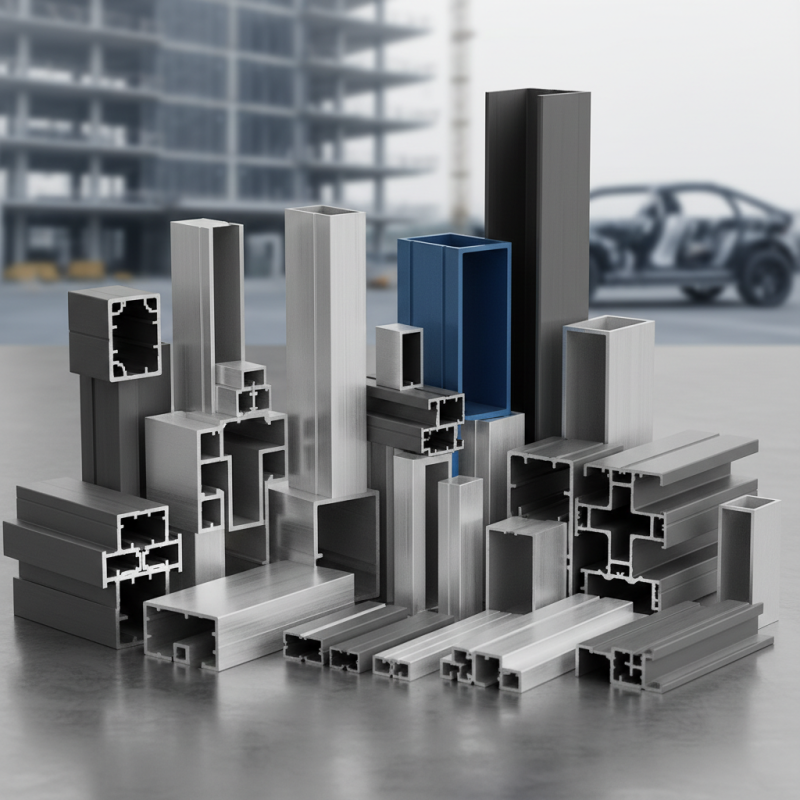
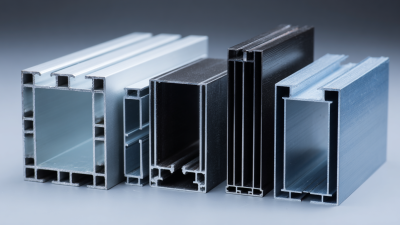
Aluminium extrusion profiles have become essential in various industries. They are widely used in construction, automotive, and electronics. Understanding these profiles is crucial for making informed choices. The process begins with heating aluminium and forcing it through a shaped die. This creates long sections of material with uniform cross-sections.
Various shapes are available. Each shape serves a specific purpose. Some are designed for strength, while others prioritize lightweight or aesthetic appeal. However, not every profile works for every project. It’s important to analyze your needs. Oversizing or choosing the wrong profile can lead to wasted resources. Exploring different options can result in both challenges and benefits.
Reflecting on the decision-making process is key. What worked well in the past may not be suitable today. Design trends shift frequently. Production methods evolve, influencing material performance and costs. Finding the right aluminium extrusion profile requires thoughtful consideration, flexibility, and a willingness to learn from past mistakes. By prioritizing careful selection, you can achieve optimal results in your projects.
Key Factors to Consider When Choosing Aluminium Extrusion Profiles
Choosing the right aluminium extrusion profile is essential for any project. Here are some key factors to consider. First, understand the application for which you need the profiles. Different uses require different strengths and performance characteristics. For instance, structural applications may demand greater tensile strength.
Consider the profile's shape. Aluminium extrusions come in various shapes, such as angles, channels, and custom profiles. The shape affects how the profile will bear loads and resist deformation. Wrong choices here can lead to project failures.
Surface treatment is another critical factor. Anodizing or powder coating enhances corrosion resistance. However, these processes can impact the profile's dimensions. It's important to factor this into your design. Reflect on your specific needs and environment. This careful consideration will help prevent costly mistakes down the line.
2026 Best Aluminium Extrusion Profile Guide for Your Needs
| Profile Type |
Typical Applications |
Important Considerations |
Standard Sizes (mm) |
Weight (kg/m) |
| Rectangular Tube |
Structural frames, supports |
Load capacity, wall thickness |
20x20, 40x20, 80x40 |
2.3 - 8.5 |
| Angle Profile |
Bracing, frames, brackets |
Angle size, connection types |
20x20, 30x30, 50x50 |
1.5 - 6.0 |
| Channel Profile |
Tracks, guides, supports |
Width, depth, load bearing |
30x10, 50x20, 75x25 |
2.0 - 7.2 |
| T-Slot Profile |
Workstations, machine frames |
Slot width, connection strength |
20, 30, 40, 45 |
1.6 - 4.5 |
| Round Tube |
Pipes, railings, handles |
Diameter, wall thickness |
20, 30, 50 |
1.2 - 2.9 |
Common Applications of Aluminium Extrusion Profiles Across Industries
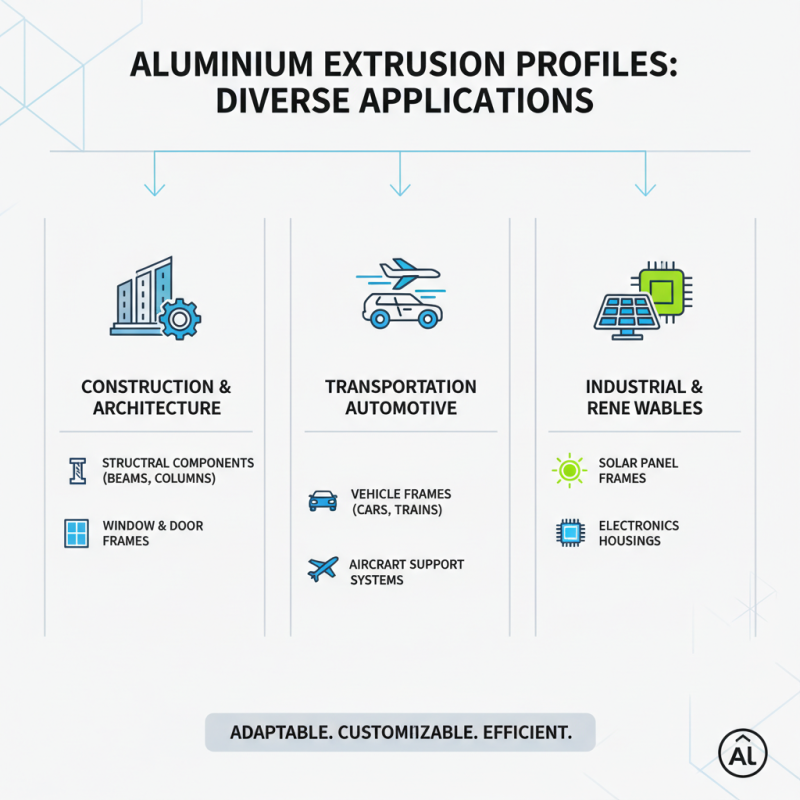
Aluminium extrusion profiles find diverse applications across various industries. These profiles are adaptable and can be tailored to fit specific requirements. Common uses include structural components for buildings, frames for windows and doors, and support systems in transportation.
In the automotive industry, aluminium profiles are crucial. They help reduce vehicle weight, improving fuel efficiency. Also, they can be easily shaped for complex designs. However, ensuring the profile meets safety standards is essential. Design flaws can lead to accidents or failures.
Tips: When selecting an aluminium extrusion, consider the environment. Some profiles perform better under specific conditions. Test different designs to find the best fit for your needs. Always review prototypes carefully. Small adjustments can make a significant difference in performance.
In electronics, lightweight and durable profiles serve as housing for devices. They protect internal components while ensuring heat dissipation. Nevertheless, balancing aesthetics with functionality can be challenging. Keep user experience in mind. Evaluate how designs impact usability.
Comparison of Different Aluminium Alloys for Extrusion Profiles
When selecting aluminium alloys for extrusion profiles, understanding their unique properties is crucial. Aluminium 6061 and 6063 are popular choices. Alloy 6061 offers excellent mechanical properties. It is strong and robust, thanks to its magnesium and silicon content. On the other hand, 6063 is known for its aesthetic appeal. It is commonly used for architectural applications due to its smooth finish and good workability.
Data from industry reports suggests that 6061 has a higher tensile strength, making it suitable for structural applications. In contrast, 6063 is preferred for intricate shapes. The choice often boils down to the specific application and desired characteristics.
Tips: Always consider corrosion resistance when choosing an alloy. 6061 is more resistant, which extends its life in harsh environments. Testing is key; flaws in the production process could lead to unforeseen weaknesses. Maintain a balance between strength and functionality to get the best results.
Sustainable Practices in Aluminium Extrusion and Their Benefits
Sustainable practices in aluminium extrusion are crucial for a greener future. Aluminium is recyclable, making it a popular choice. According to a report by the International Aluminium Institute, recycling saves 95% of the energy required to produce new aluminium. This significant reduction in energy consumption leads to fewer carbon emissions.
Implementing sustainable methods in the extrusion process can enhance product quality. Strategies include optimizing heat treatment and using eco-friendly lubricants. A study found that 30% of aluminium producers have adopted sustainable lubricants. While the transition may require an initial investment, the long-term benefits often outweigh the costs.
Tips: Always monitor energy usage. Consider upgrading to energy-efficient equipment. Even small changes can have a big impact. Evaluate your current practices and identify areas for improvement. Document the results, and share your findings to inspire others.
2026 Aluminium Extrusion Sustainability Practices