Top 5 Aluminium Fencing Profiles Tips for Global Buyers
When it comes to outdoor aesthetics and security, Aluminium Fencing Profiles stand out as a popular choice among global buyers. These profiles not only offer durability and strength but also enhance the visual appeal of residential and commercial properties. With various styles available, selecting the right Aluminium Fencing Profiles can seem overwhelming.
It is essential to understand the nuances of these profiles to make informed decisions. Factors such as design, coating, and installation techniques play critical roles in performance and longevity. Many buyers overlook these details, leading to dissatisfaction. The right knowledge can prevent costly mistakes and ensure satisfaction with the final product.
In this guide, we will explore five essential tips for choosing Aluminium Fencing Profiles. These insights aim to empower buyers with the expertise needed to navigate their options effectively. Whether aiming for security or aesthetic improvement, being well-informed is crucial in this competitive market.
Understanding Different Aluminium Fencing Profiles: A Comprehensive Guide
When exploring aluminium fencing profiles, it's crucial to understand various types available in the market. These profiles can greatly affect durability and aesthetics. According to industry reports, the global aluminium fencing market is projected to grow by 5% annually. This growth reflects a rising preference for aluminium due to its low maintenance and long life span.
Tip: Consider the local climate. Harsh weather conditions can impact the choice of profile. For instance, thicker profiles often resist bending better in high winds.
Many buyers overlook the importance of the finish. A powder-coated finish can enhance the lifespan of the fence while maintaining its visual appeal. Research indicates that fences with a quality finish last significantly longer than those without.
Tip: Assess the profile height. Taller profiles can increase privacy but may also require additional support. Always weigh your functional needs against the aesthetic goals.
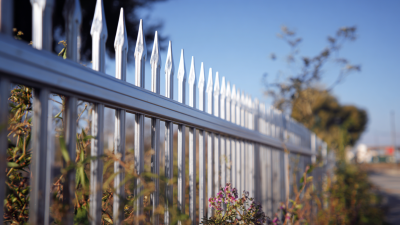
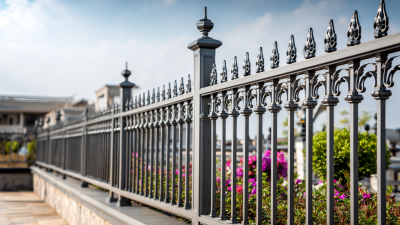
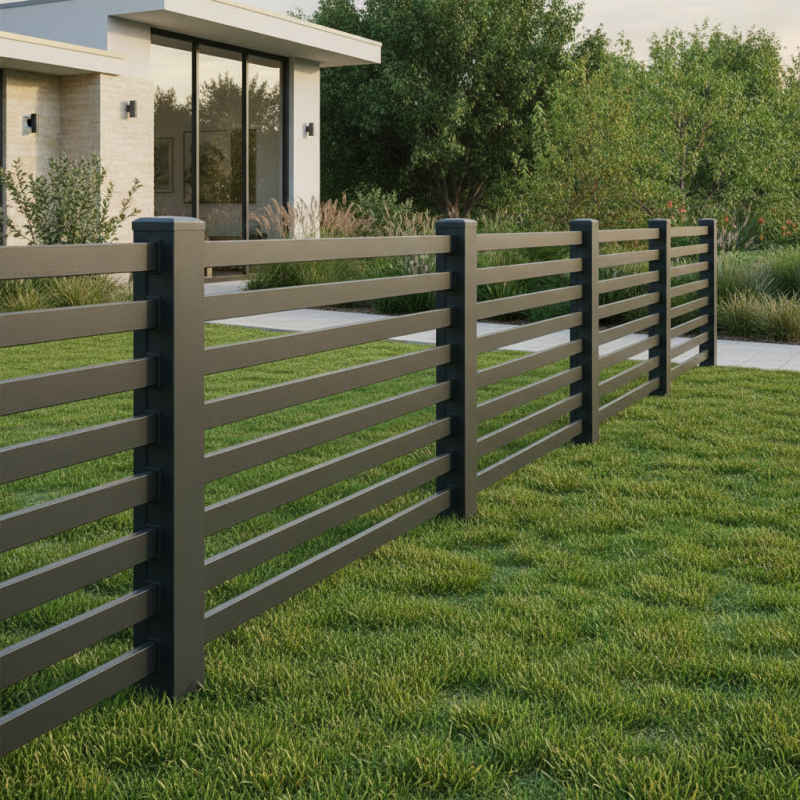
The variety of profiles can be stunning—ranging from simple picket designs to elaborate ornamental styles. Reflect on what best fits the environment and your preferences. While many choices exist, finding the right fit is essential for satisfaction and functionality in the long run.
Evaluating Quality and Durability of Aluminium Fencing Materials
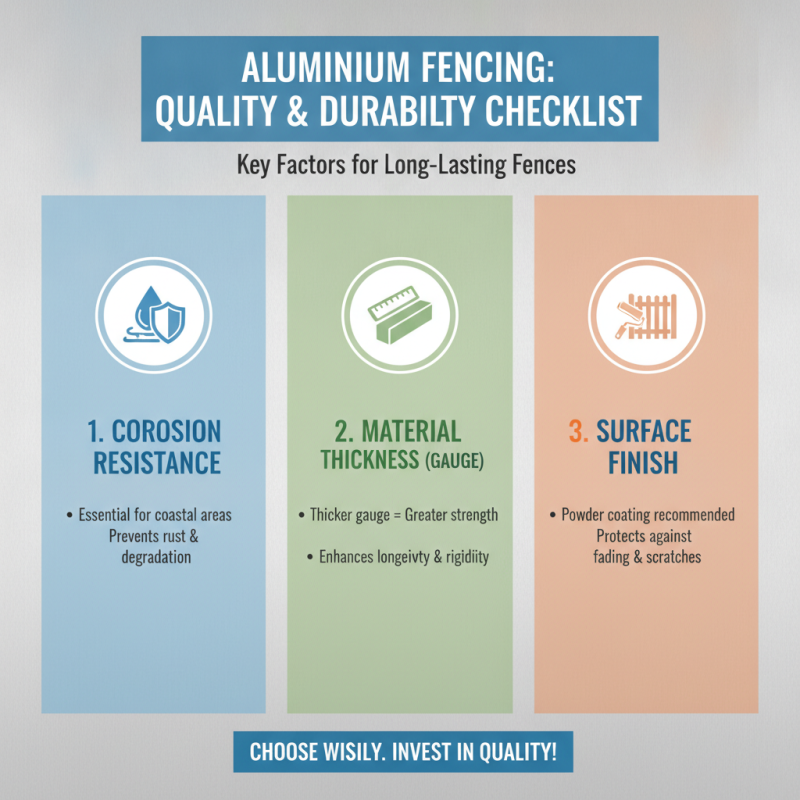
When considering aluminium fencing, evaluating the quality and durability of materials is crucial. Aluminium should ideally resist corrosion, especially in coastal areas. High-quality aluminium features a thicker gauge, enhancing strength and longevity. Buyers need to examine the surface finish, too. Powder coating provides a protective layer, shielding against fading and scratches.
Durability is not just about the material. It also involves craftsmanship. Poorly crafted fences may bend or warp over time. Checking for certifications or compliance with industry standards can help identify reliable options. Remember, aesthetic choices should not overshadow functionality. Some decorative styles may compromise strength.
Lastly, ask questions. Speak to suppliers about warranties and maintenance requirements. It's easy to overlook the actual upkeep involved in various styles. Reflecting on these factors ensures that your investment is sound and serves well for years to come.
Design Considerations for Choosing Aluminium Fencing Profiles
When selecting aluminium fencing profiles, design considerations play a crucial role. The aesthetic appeal and durability of aluminium make it a popular choice for many buyers. However, not every profile is suitable for every purpose. It's essential to assess both functionality and style to match the fencing with your overall landscape design.
One tip is to consider the height and style of the fence. Taller profiles offer more privacy but may look imposing. On the other hand, lower profiles can create an open, inviting space. Think about the environment around your property. A modern home may benefit from sleek lines, while a rustic setting might call for more traditional designs.
Another factor to weigh is the finish of the aluminium. A powder-coated finish can enhance durability and aesthetic appeal. Choose a color that complements your property’s exterior. Researching common finishes can guide your decision. Remember, the right choice reflects your personal taste and enhances curb appeal. Your fencing should be both functional and visually appealing. Balancing these elements can be challenging but rewarding.
Top 5 Aluminium Fencing Profiles Tips for Global Buyers
| Tip Number |
Consideration |
Description |
Benefits |
| 1 |
Material Thickness |
Choose profiles with sufficient thickness for durability. |
Increased resistance to bending and damage. |
| 2 |
Finish Options |
Select appropriate finishes (powder-coated, anodized). |
Enhanced aesthetics and corrosion resistance. |
| 3 |
Design Versatility |
Consider various styles (fancy, minimalist, traditional). |
Ability to suit different property styles and preferences. |
| 4 |
Installation Methods |
Review different installation techniques (fence panels, posts). |
Simplified installation process and reduced labor costs. |
| 5 |
Local Regulations |
Check local zoning laws and regulations for fencing. |
Ensures compliance and avoids potential legal issues. |
Budgeting and Cost Analysis for Aluminium Fencing Profiles
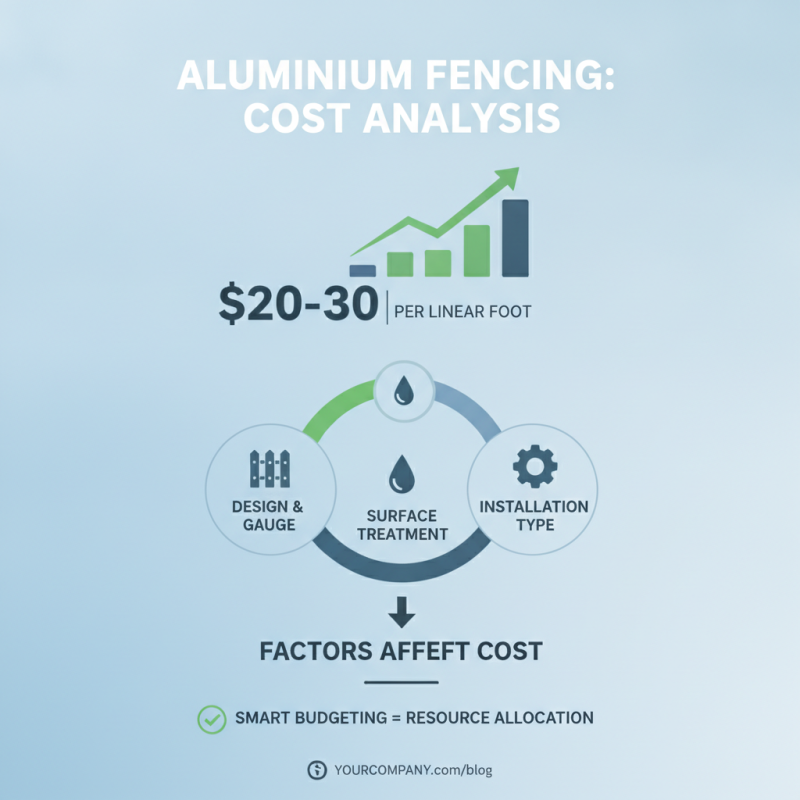
When considering aluminium fencing profiles, it's crucial to conduct thorough budgeting and cost analysis. Reports indicate that the average cost for aluminium fencing ranges from $20 to $30 per linear foot. This price can vary based on factors such as design, gauge, and surface treatment. Understanding these variables allows buyers to allocate resources effectively.
One common tip for global buyers is to compare quotes from multiple suppliers. It can help identify the best price for the required quality. Negotiating bulk discounts is also a viable strategy. Many suppliers offer reduced rates for larger orders. Additionally, do not overlook installation costs, which can add significant amounts to the overall budget.
Buyers must be aware of fluctuating material prices due to market demand. For instance, an industry report mentions that aluminium prices can increase by up to 15% annually. This fluctuation underscores the importance of timely purchases and planning. Investing time in cost analysis can lead to better long-term savings.
Global Sourcing: Tips for Finding Reliable Aluminium Fencing Suppliers
When sourcing aluminium fencing, reliability is key. Understanding industry trends can guide your supplier selection. The global aluminium fencing market is expected to reach $1.2 billion by 2025, driven by increased demand for durable and low-maintenance fencing solutions. Many buyers struggle to discern quality suppliers amid a sea of options.
Consider evaluating supplier reputations through third-party reviews and certifications. An ISO 9001 certification indicates a commitment to quality management. Reports show that 40% of buyers prioritize supplier credentials when assessing reliability. Additionally, engaging in trade shows can help establish direct communication with potential suppliers. Such interactions often reveal insights not found on websites.
Aluminium fencing profiles can vary widely in quality and design. Request samples to assess material thickness and finish. Many buyers overlook the importance of these details. A supplier's willingness to provide samples can be a sign of confidence in their product. Not every supplier may meet high expectations, so be prepared for some disappointments along the way. Finding the right partner takes time and due diligence, but the effort will be worthwhile.
Top 5 Aluminium Fencing Profiles Insights