What is an Aluminum Handrail Section Profile and Its Uses?
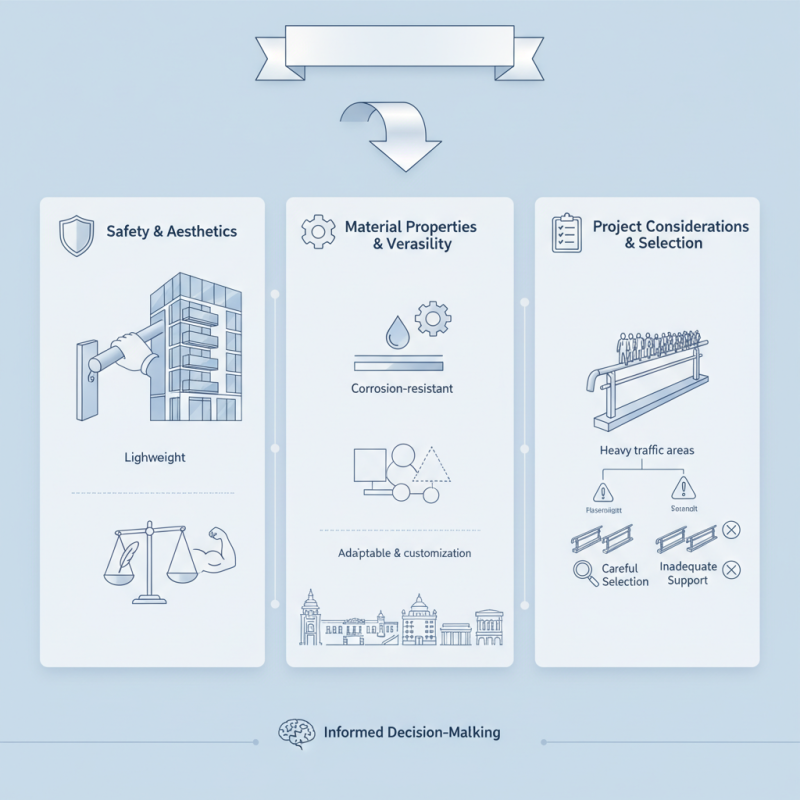
The Aluminum Handrail Section Profile is a vital component in modern architecture. It provides safety and aesthetic appeal in various settings. This type of handrail profile is lightweight yet strong, making it a popular choice for both residential and commercial projects.
Aluminum is corrosion-resistant, which ensures durability over time. Many designers appreciate its versatility. The Aluminum Handrail Section Profile can be customized to fit different design needs. This adaptability allows it to blend seamlessly with various architectural styles.
However, not all profiles suit every project. Some may lack adequate support for heavy traffic areas. It's essential to consider the specific requirements before making a choice. There are numerous options available, but careful selection is crucial for long-term effectiveness. Understanding the properties of the Aluminum Handrail Section Profile allows for better decision-making.
Definition and Characteristics of Aluminum Handrail Section Profile
Aluminum handrail section profiles are vital in construction and architectural design. They offer a blend of strength and lightweight properties. According to the Aluminum Association, aluminum is up to 30% lighter than many steel counterparts. This makes it a preferred choice for handrails in various environments.
These profiles also exhibit high resistance to corrosion. This durability is crucial for outdoor installations. The National Bureau of Standards reports that aluminum lasts longer than many materials when exposed to harsh weather. This characteristic reduces maintenance needs and costs over time.
In terms of design, aluminum handrail sections can be easily fabricated into various shapes. This versatility allows for creative applications in residential and commercial areas. However, it’s important to consider the aesthetic aspects along with functionality. Some designs may prioritize looks over safety or practicality, which could lead to potential issues. It's essential to find a balance that ensures both beauty and safety.
Common Types of Aluminum Handrail Section Profiles
Aluminum handrails are popular in various settings for their durability and lightweight properties. Different section profiles cater to specific needs and aesthetics. These profiles provide structural integrity and enhance safety.
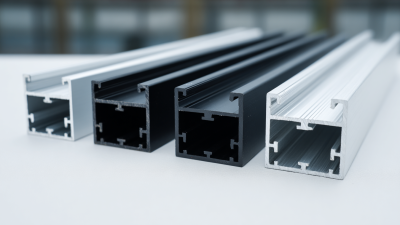
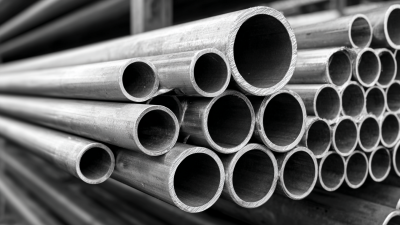
One common type is the square handrail profile. This design offers a modern look and is easy to install. With angles that blend seamlessly into contemporary architecture, it's often used in commercial spaces. Meanwhile, the round profile is known for its ergonomic grip. This option is frequently chosen for residential settings or stairs due to its comfort.
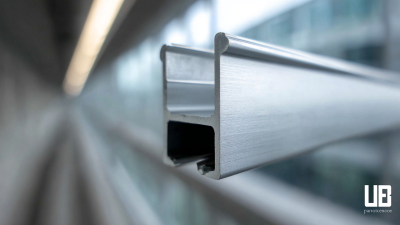
Another significant type is the rectangular profile. This one typically has a wider surface area, providing stability and support. It’s often found in public venues, ensuring safety for larger crowds. Additionally, the channel profile is essential for attaching accessories like lighting or signage. Each profile serves functional purposes while also enhancing the environment, showcasing the balance between form and function.
Applications of Aluminum Handrail Section Profiles in Architecture
Aluminum handrail section profiles play a significant role in modern architecture. These profiles are favored for their durability and aesthetic appeal. Architects often choose aluminum for both residential and commercial projects. This material resists corrosion and requires minimal maintenance, which is a considerable advantage in outdoor settings. Its lightweight nature allows for easy installation, making it an efficient choice for builders.
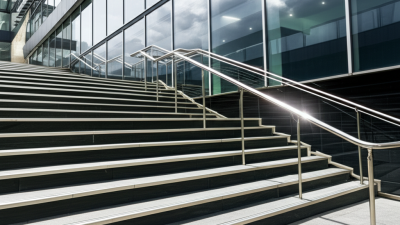
In addition to practical benefits, aluminum handrails contribute to design flexibility. They can be customized in various shapes and finishes, enhancing a building's visual impact. These profiles are used in staircases, balconies, and walkways, providing safety without compromising style. However, the trend towards minimalism may sometimes overlook the potential of intricate designs. Some architects may find themselves constrained by the simplicity of standard profiles. Balancing functionality with creativity can be challenging, yet it invites reflection on how to innovate within material limitations.
Benefits of Using Aluminum Handrail Section Profiles
Aluminum handrail section profiles offer a range of benefits that make them ideal for various applications. These lightweight yet durable profiles are resistant to corrosion. This makes them suitable for both indoor and outdoor settings. The versatility of aluminum allows for custom designs that fit specific architectural needs. Many homeowners and builders prefer these profiles for staircases, balconies, and walkways.
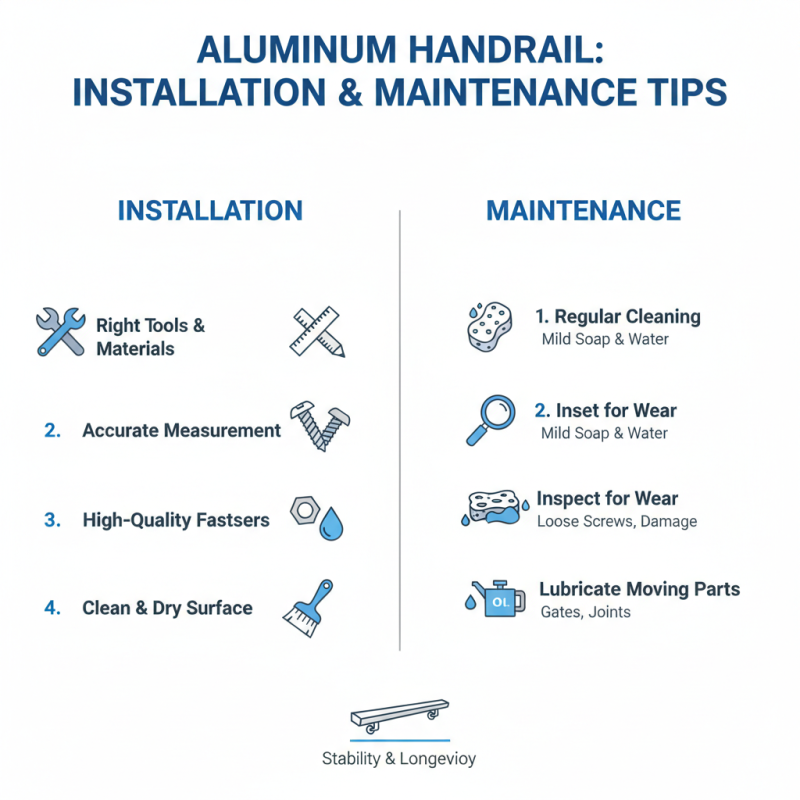
Another advantage of using aluminum handrail sections is their aesthetic appeal. With sleek lines and modern finishes, they enhance the visual impact of any space. Plus, they require minimal maintenance compared to wood or other materials. This can save time and money over the years. However, it's essential to consider installation challenges. Improper installation can compromise safety and effectiveness. Consulting with professionals can mitigate these risks and maximize the benefits of aluminum handrails.
The lightweight nature of aluminum also means easier handling during installation. However, if not secured properly, they may flex under heavy loads. This underscores the importance of following guidelines and ensuring structural integrity. Balancing style with safety is key when choosing handrail profiles. Understanding these details helps to achieve a functional and attractive design.
What is an Aluminum Handrail Section Profile and Its Uses? - Benefits of Using Aluminum Handrail Section Profiles
| Profile Type |
Dimensions (mm) |
Weight (kg/m) |
Application Area |
Benefits |
| Square Tube |
50 x 50 |
3.5 |
Stairs, Balconies |
High strength, lightweight |
| Round Tube |
38 |
2.7 |
Handrails, Fences |
Corrosion resistant, aesthetic |
| Flat Bar |
30 x 5 |
1.8 |
Industrial Settings |
Versatile, easy to install |
| L-Shaped |
40 x 40 x 5 |
4.0 |
Walkways, Ramps |
Stability, strong support |
| Custom Profile |
Varies |
Depends on design |
Specialty Applications |
Tailored solutions |