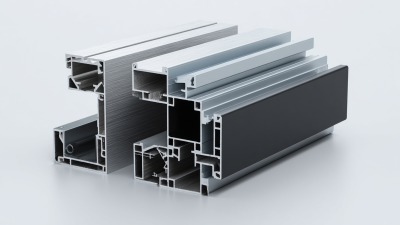
What is Aluminum Kitchen Profiles and How to Choose the Right One
In the realm of modern kitchen design, the significance of choosing the right materials cannot be overstated, especially when it comes to Aluminum Kitchen Profiles. These profiles serve as the backbone for various kitchen components, providing an ideal blend of durability, aesthetics, and versatility. According to David Thompson, a renowned expert in kitchen design, "Selecting the right Aluminum Kitchen Profiles is crucial for both functionality and style, as they can enhance not just the appearance but also the longevity of your kitchen."
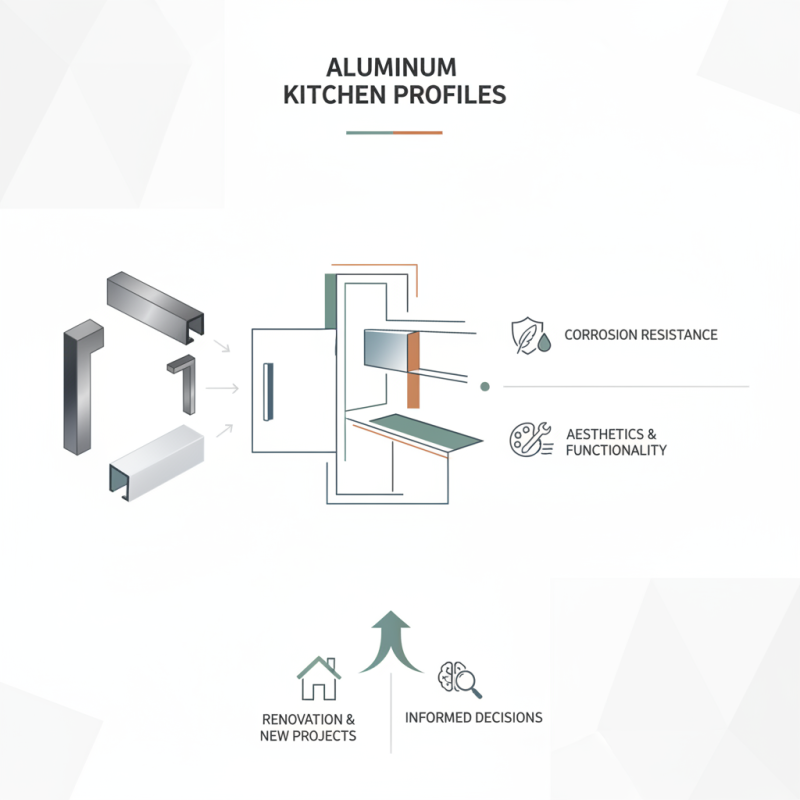
As homeowners increasingly seek sleek and sophisticated designs, Aluminum Kitchen Profiles have emerged as a top choice due to their lightweight nature and resistance to corrosion. This introduction to Aluminum Kitchen Profiles will delve into their features, benefits, and factors to consider when selecting the perfect profile for your kitchen setup. Whether you're renovating an existing space or embarking on a new kitchen project, understanding the nuances of Aluminum Kitchen Profiles will empower you to make informed decisions that elevate your culinary environment.
What are Aluminum Kitchen Profiles and Their Benefits
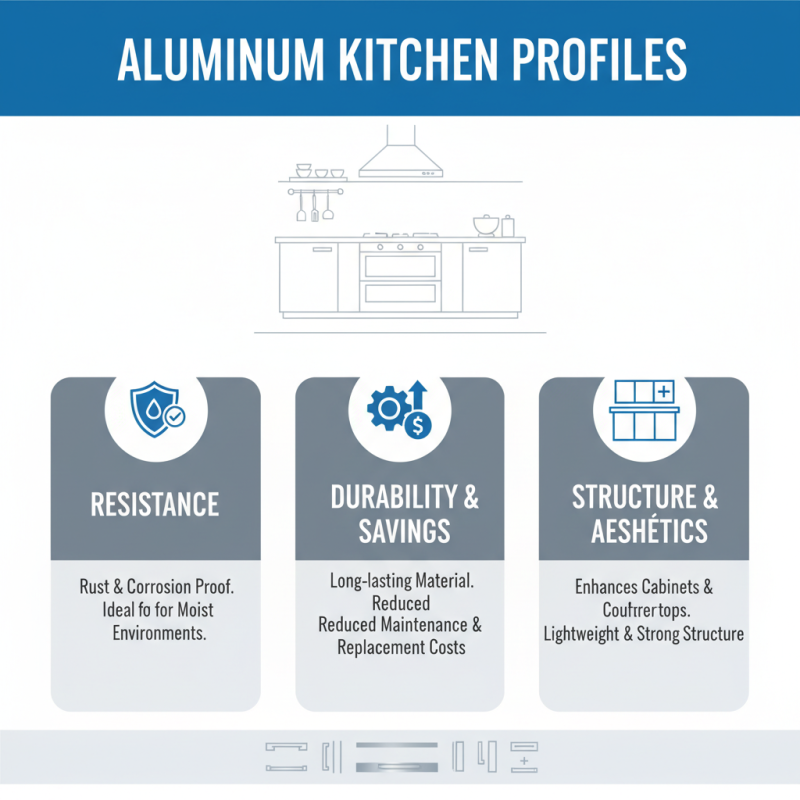
Aluminum kitchen profiles are specialized components designed to enhance the structure and aesthetics of kitchen spaces. These profiles are typically used for cabinets, countertops, and other fixtures, offering durability while maintaining a lightweight nature. One of the primary benefits of aluminum kitchen profiles is their resistance to rust and corrosion, making them ideal for environments exposed to moisture. This longevity reduces the need for replacement and maintenance, resulting in cost savings over time.
In addition to their practicality, aluminum kitchen profiles also offer a modern aesthetic that can elevate the overall design of a kitchen. With various finishes and styles available, they can seamlessly integrate with different themes, whether contemporary or traditional. Furthermore, their versatility enables easy customization, allowing homeowners to achieve a tailored look that suits their individual preferences. Overall, choosing aluminum kitchen profiles not only enhances functionality but also contributes to a sleek, stylish kitchen environment.
Types of Aluminum Kitchen Profiles Available for Use
When it comes to designing modern kitchens, aluminum kitchen profiles have become a preferred choice due to their durability and versatility.
These profiles come in various forms, each tailored to different functionalities and aesthetics. The most common types include edge profiles, wall profiles, and cabinet profiles. Edge profiles are typically used for countertops and give a sleek finish, while wall profiles help in mounting shelving and other fixtures. Cabinet profiles can enhance the overall look of kitchen cabinetry, providing a clean and contemporary appeal.
Tips:
When selecting aluminum kitchen profiles, consider the finish—anodized options offer additional protection against wear and tear. Additionally, the thickness of the profile is crucial; thicker profiles provide better strength and stability, especially in high-usage areas.
Another popular type is the decorative profile, used primarily for aesthetic purposes. They can add design flair through embellishments or unique shapes, turning functional elements into stylish features. Additionally, you may come across profiles designed for integration with different materials, such as glass or wood, allowing for a cohesive look throughout your kitchen space.
Tips:
Always measure your space accurately before purchasing any profiles; this ensures a proper fit and helps prevent unnecessary returns. Additionally, explore various colors and finishes to find a design that complements your kitchen’s overall theme.
Factors to Consider When Selecting Aluminum Kitchen Profiles
When selecting aluminum kitchen profiles, several factors should be taken into account to ensure that you choose the best option for your culinary space. First and foremost, consider the thickness and durability of the aluminum material. Profiles that are thicker generally offer greater strength and resistance to wear and tear, making them more suitable for high-traffic areas in your kitchen. Additionally, check for any certifications or standards that indicate the profile's quality and suitability for kitchen use.
Another critical factor is the design and finish of the aluminum profiles. Depending on your kitchen’s aesthetic, you may want to choose profiles with specific textures or colors to complement your cabinetry and appliances. Anodized or powder-coated finishes are popular options that not only enhance visual appeal but also provide extra protection against corrosion and scratches. Finally, it’s essential to evaluate the installation process and compatibility with existing cabinetry. Profiles that are easy to install and integrate seamlessly with your current setup can save time and effort during renovations or new installations.
Tips for Maintaining and Installing Aluminum Kitchen Profiles
When it comes to installing aluminum kitchen profiles, proper maintenance and installation are key to ensuring durability and aesthetics. Aluminum profiles are increasingly favored in modern kitchen designs due to their lightweight nature and resistance to corrosion. According to a 2021 report by the Aluminum Association, the global aluminum market is projected to grow significantly, with kitchen applications being a substantial part of its demand. This growth underscores the importance of correctly handling aluminum installations to extend their lifespan.
To maintain aluminum kitchen profiles, it is recommended to clean them regularly with a mild detergent and water. Avoid using abrasive cleaners that can scratch the surface. A study from the Building Research Establishment shows that regularly maintained surfaces can last up to 30% longer than those that are neglected. Additionally, when installing aluminum profiles, ensure that all connections and joints are secure and that profiles are level. Using proper tools and techniques, such as ensuring proper drainage and ventilation, also contributes to the longevity and functionality of the installed profiles. Following these maintenance and installation tips can significantly enhance the performance and appearance of aluminum kitchen designs.
Common Mistakes to Avoid When Choosing Aluminum Kitchen Profiles
When choosing aluminum kitchen profiles, one common mistake is overlooking the importance of compatibility with existing kitchen decor and functionality. Often, homeowners focus solely on the aluminum's aesthetic appeal, neglecting how well it complements the overall kitchen design. Selecting profiles that clash with cabinetry or appliances can detract from a cohesive look, so it is crucial to consider the color and finish of the aluminum in relation to the entire kitchen.
Another frequent pitfall is disregarding durability and maintenance requirements. While aluminum is generally a strong material, not all profiles are created equal. Some may be more prone to scratching or staining than others, making it essential to evaluate the quality of the aluminum and any protective coatings available. Additionally, homeowners sometimes underestimate the importance of easy cleaning and upkeep. Choosing profiles designed for ease of maintenance can save time and effort down the road, ensuring that your kitchen not only looks great but also remains functional for years to come.
What is Aluminum Kitchen Profiles and How to Choose the Right One - Common Mistakes to Avoid When Choosing Aluminum Kitchen Profiles
| Profile Type |
Material Thickness (mm) |
Applications |
Common Mistakes |
Price Range ($) |
| L-Profile |
1.5 - 3.0 |
Wall Corners, Shelving Support |
Not considering weight load |
15 - 30 |
| U-Profile |
2.0 - 4.0 |
Drawer Sides, Cabinet Framing |
Ignoring finish options |
20 - 40 |
| T-Profile |
1.2 - 3.5 |
Dividers, Door Frames |
Not measuring space accurately |
10 - 25 |
| Square Tube |
1.0 - 5.0 |
Structural Support, Frameworks |
Choosing incorrect size |
30 - 60 |
| Round Tube |
1.5 - 4.0 |
Handles, Decorative Elements |
Overlooking alloy types |
15 - 35 |