Top 10 Benefits of Insulated Aluminium Extrusion for Global Buyers?
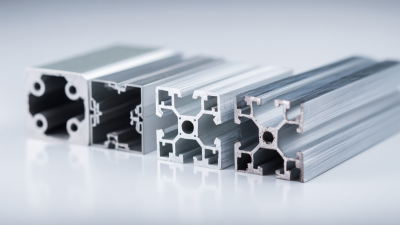
The global market is increasingly recognizing the advantages of Insulated Aluminium Extrusion. This innovative material combines strength and thermal efficiency, making it a preferred choice for many industries. Buyers appreciate its durability and lightweight nature, which contribute to practical applications in construction, transportation, and beyond.
Insulated Aluminium Extrusion not only enhances energy efficiency but also supports sustainability efforts. Its ability to reduce energy consumption is a crucial factor for environmentally conscious buyers. However, despite these benefits, challenges exist. Sourcing high-quality insulated profiles can be difficult. Buyers must be aware of various suppliers and the quality of their products.
As buyers navigate the landscape of insulated aluminium solutions, it is vital to weigh the benefits against potential drawbacks. Transparency in sourcing and manufacturing practices is essential. Ultimately, informed decisions lead to successful partnerships and sustainable investments in Insulated Aluminium Extrusion.
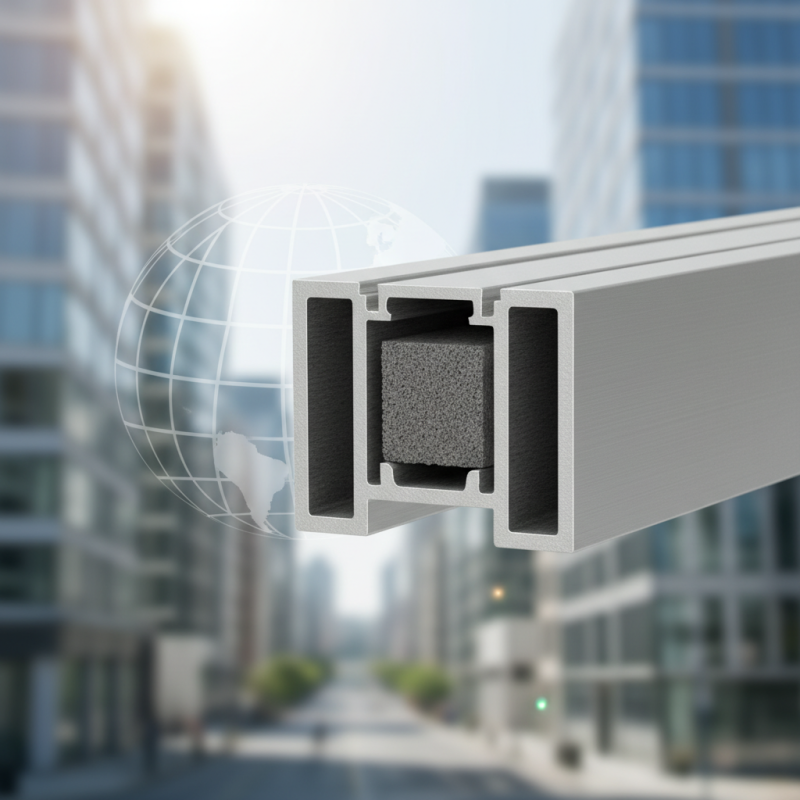
Key Characteristics of Insulated Aluminium Extrusion
Insulated aluminium extrusion has become increasingly popular among buyers worldwide due to its exceptional properties. This process encourages energy efficiency, reducing overall carbon footprints. According to industry reports, the global insulated aluminium market is projected to surpass $5 billion by 2025. This growth is driven by ongoing advancements in engineering and environmental responsibility.
One of the key characteristics of insulated aluminium extrusion is its superior thermal performance. The unique design minimizes heat flow, enabling buildings to maintain consistent temperatures. Research indicates that insulated aluminium systems can reduce energy consumption by up to 40%. This statistic highlights the material's role in sustainable architecture. However, the initial cost may deter some projects, despite long-term savings.
Additionally, insulated aluminium extrusion offers excellent sound insulation. Many users appreciate the peace and quiet provided in urban settings. This capacity enhances the living experience in densely populated areas. Reports also note that the maintenance of these structures is generally lower than that of traditional materials. Yet, as with any material, challenges remain. Ensuring the quality of insulation during installation is crucial for maximizing these benefits.
Top 10 Benefits of Insulated Aluminium Extrusion
The chart above illustrates the top ten benefits of insulated aluminium extrusion, rated on a scale of 1 to 10 based on their importance and effectiveness. This visualization helps global buyers understand the significant advantages of using insulated aluminium extrusion in their projects.
Enhanced Energy Efficiency in Building Applications
Insulated aluminium extrusion is changing the game in energy-efficient building applications. Its unique design combines thermal insulation with the strength of aluminium. This results in buildings that retain heat better during winter and stay cool in summer. These features significantly reduce heating and cooling costs.
Incorporating insulated aluminium extrusion into building projects can lower energy consumption. This improvement benefits not only the environment but also the wallet. Architects and builders can enjoy greater design flexibility while ensuring a sustainable approach. However, some may find the upfront cost higher compared to traditional materials, leading to hesitation in adoption.
The energy efficiency offered by this material invites construction professionals to rethink their building strategies. While challenges exist, like finding the right suppliers, the long-term benefits outweigh the drawbacks. Insulated aluminium extrusion provides a durable, eco-friendly solution that aligns with modern energy standards.
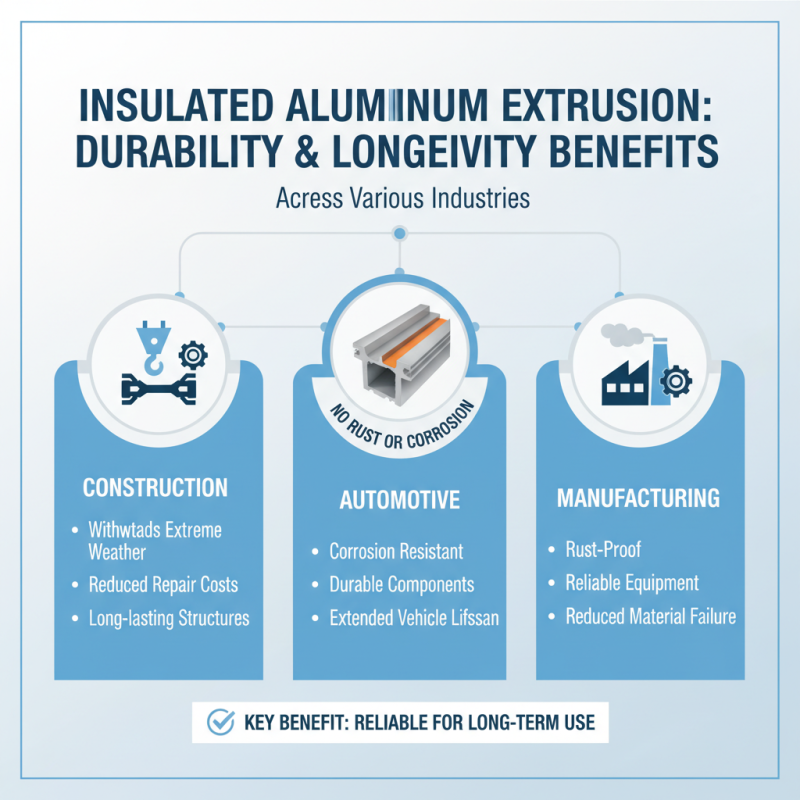
Durability and Longevity Benefits for Various Industries
Insulated aluminum extrusion brings significant durability and longevity benefits across various industries. Its robust nature withstands extreme weather, ensuring products last longer. This factor is crucial for construction, automotive, and manufacturing sectors, where material failure can lead to costly repairs. Insulated aluminum does not rust or corrode easily, making it a reliable choice for long-term use.
In the construction field, insulated aluminum extrusions contribute to energy efficiency. They help maintain indoor temperatures, reducing heating and cooling costs. Similarly, in the automotive industry, using insulated aluminum can enhance vehicle performance while extending lifespan. This level of reliability can transform operational expenses into savings.
Tip: Regular maintenance is essential for any material, including insulated aluminum. Inspect joints and seals periodically. This can prevent unexpected degradation. Another tip is to choose appropriate insulating materials tailored for specific applications. Doing so maximizes effectiveness. Finding the right combination can be challenging but worthwhile for achieving best results.
Cost-Effectiveness Over Time for Global Buyers
When considering insulated aluminium extrusion, cost-effectiveness is a key factor for global buyers. The initial investment may seem higher than traditional materials, but the long-term savings are significant. Energy efficiency is one of the primary gains associated with insulated aluminium. This leads to lower heating and cooling costs in buildings, promoting sustainability.
Additionally, insulated aluminium has a longer lifespan than many other materials. It withstands harsh weather conditions and does not warp or corrode easily. This durability reduces maintenance costs over time. Buyers should analyze lifecycle costs rather than just upfront expenses. Investment in quality materials can yield excellent returns.
In terms of insulation properties, the technology has advanced significantly. Enhanced thermal performance leads to a more comfortable indoor environment. A well-insulated space can ultimately reduce reliance on heating and cooling systems, which is crucial as energy prices rise. While some may hesitate at first, evaluating total operating costs reveals the wisdom of initial investments in insulated aluminium extrusion. Balancing upfront costs with long-term benefits is essential for informed decision-making.
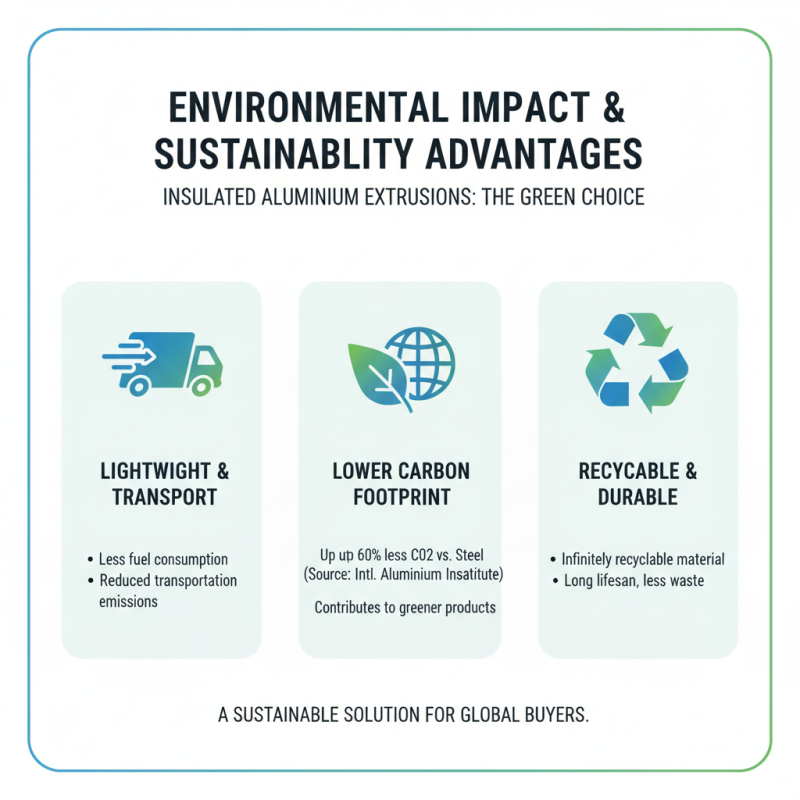
Environmental Impact and Sustainability Advantages
Insulated aluminium extrusion offers significant environmental benefits, making it a compelling choice for global buyers. These extrusions are lightweight and require less energy during transportation. According to a report from the International Aluminium Institute, transporting aluminium can emit up to 60% less CO2 compared to heavier materials like steel. This reduction contributes to a smaller carbon footprint for products.
In addition, insulated aluminium has excellent thermal performance. It minimizes heat transfer, which means buildings use less energy for heating and cooling. The U.S. Department of Energy highlights that effective insulation can reduce energy consumption by 20-30%. With rising energy costs and growing concerns about energy usage, these features become increasingly relevant.
However, the production of aluminium still poses challenges. The mining process can lead to habitat destruction and pollution. Furthermore, not all aluminium sources are sustainable. There is an ongoing need for better recycling practices. While insulated aluminium has clear benefits, buyers should consider the full lifecycle, including production impacts. It is essential to seek transparency in sourcing and manufacturing processes.