Top Benefits of Insulated Aluminium Extrusion for Modern Architecture?
The architectural landscape is rapidly evolving, and Insulated Aluminium Extrusion is at the forefront of this revolution. According to a report by the Aluminum Association, over 50% of new constructions utilize aluminium materials due to their energy efficiency and durability. Insulated Aluminium Extrusion offers excellent thermal performance, reducing energy consumption significantly. This innovation helps meet modern building codes, with more than 40% of structures in urban areas focusing on sustainability.
As the demand for energy-efficient materials grows, designers are turning to insulated solutions. Buildings using Insulated Aluminium Extrusion demonstrate up to 30% better insulation than traditional materials. This not only benefits the environment but also lowers operational costs for homeowners and businesses. Yet, challenges remain in balancing cost and performance. Some architects express concerns about material availability and long-term durability.
The future of architecture lies in intelligent material choices. Insulated Aluminium Extrusion stands out, yet it is essential to consider sustainability's complexities and impacts. Ultimately, using this innovative product can contribute to a greener built environment.
Key Characteristics of Insulated Aluminium Extrusion in Architecture
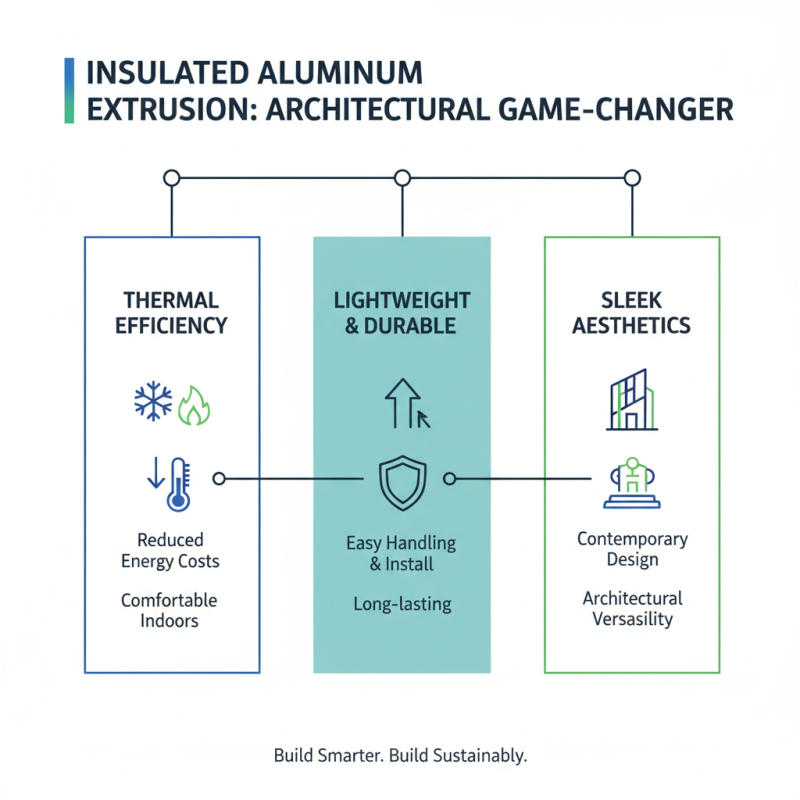
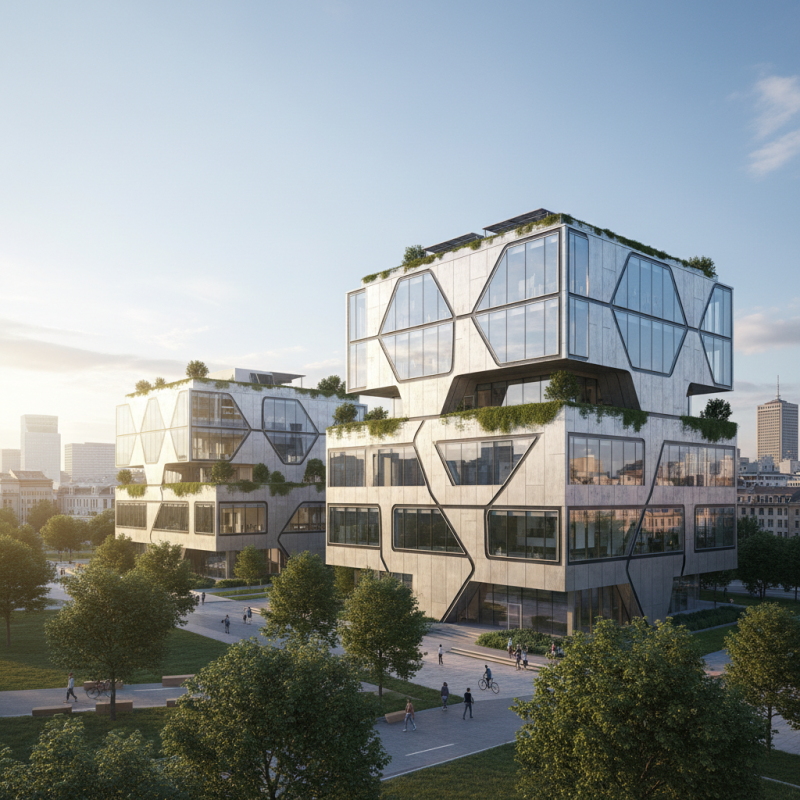
Insulated aluminium extrusion is a game-changer in modern architecture. Its ability to provide excellent thermal insulation makes it a popular choice for energy-efficient buildings. This feature helps maintain comfortable indoor temperatures while reducing energy costs. Architects appreciate its lightweight properties, making it easier to handle and install. The sleek, contemporary look also adds aesthetic value to structures.
One key characteristic is its durability. Insulated aluminium extrusions resist corrosion and weathering, ensuring longevity. They require minimal maintenance, which appeals to both builders and owners. However, achieving the right design can be challenging. Sometimes, compromises may impact structural integrity. This is where careful planning is crucial. The balance between aesthetics and functionality often prompts reflection among architects.
Additionally, insulated aluminium extrusion contributes to sustainable practices. It enhances energy efficiency, supporting green building initiatives. This material can be recycled, reducing environmental impact. Yet, questions arise about the sourcing process. Are all materials ethically sourced? The drive for sustainability must consider the whole lifecycle of the product. Such reflections can guide future innovations in architectural design.
Energy Efficiency: How Insulated Aluminium Extrusions Reduce Heat Loss
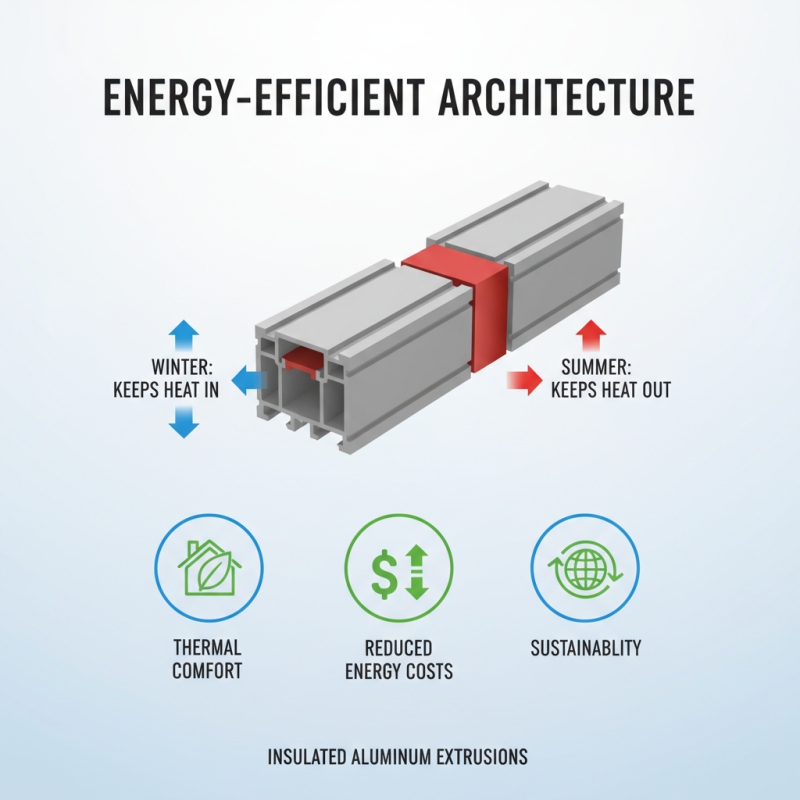
Insulated aluminium extrusions are gaining popularity in modern architecture. They offer significant advantages, especially in terms of energy efficiency. The unique design includes a thermal break that minimizes heat transfer. This feature helps to keep indoor environments comfortable year-round.
By reducing heat loss, insulated aluminium extrusions can lead to lower energy bills. The insulation reduces the need for heating and cooling systems. Homeowners may notice their energy consumption drops. However, some might find the upfront costs higher than traditional materials. This initial expense can be daunting, creating hesitancy. Still, the long-term savings often outweigh these concerns.
In addition to energy benefits, these extrusions enhance aesthetic appeal. They allow for sleek, modern designs without compromising functionality. However, achieving the perfect balance of style and insulation can be challenging. Architects must carefully consider their choices. They need to ensure that the visual aspects do not impede energy performance. It's an ongoing journey of learning and adaptation in sustainable design.
Design Flexibility: The Aesthetic Advantages of Aluminium Extrusions
Aluminium extrusions offer remarkable design flexibility, particularly in modern architecture. Their ability to adapt shapes and sizes allows architects to explore unique forms. This versatility enhances aesthetic appeal, creating striking facades and innovative interiors. Whether it’s slender frames or bold structural components, aluminium satisfies diverse design visions.
Moreover, the lightweight nature of aluminium facilitates complex configurations without compromising strength. This balance encourages creative expression. Builders can implement intricate designs that may not be feasible with heavier materials. Curved and angular profiles can mesh well, offering a sleek, contemporary appearance.
Yet, there are challenges to consider. The finish of aluminium can sometimes obscure intricate designs, demanding careful planning. Architects need to contemplate the long-term durability of finishes over time. Despite these hiccups, the potential for elegance remains significant. With thoughtful design, the beauty of insulated aluminium extrusion can truly shine in modern architecture.
Durability and Maintenance: Long-lasting Benefits of Aluminium in Buildings
Insulated aluminium extrusion offers exceptional durability for modern architecture. This material withstands various environmental factors, including extreme weather. It resists corrosion, ensuring a longer lifespan. Buildings made from aluminium require less frequent repairs, attracting architects and builders alike. The ability to maintain structural integrity even in harsh conditions is impressive.
Maintenance simplicity is another benefit of aluminium. Cleaning is straightforward, often requiring only water and soap. This ease reduces long-term costs. However, some may overlook the need for regular inspections. Ignoring small issues can lead to larger, costly repairs. Aluminium’s durability can be misleading if not properly maintained.
Furthermore, insulated aluminium extrusion contributes to energy efficiency. It helps regulate indoor temperatures, resulting in lower energy bills. Yet, the initial installation might be more expensive than other materials. Architects must weigh these costs against long-term savings and benefits. Thoughtful planning can enhance the building's overall performance and sustainability.
Top Benefits of Insulated Aluminium Extrusion for Modern Architecture
| Benefit |
Description |
Impact on Architecture |
| Durability |
Aluminium is corrosion-resistant and can withstand various environmental conditions. |
Ensures long-lasting structures with low repair needs. |
| Low Maintenance |
Requires minimal upkeep compared to other materials. |
Reduces long-term costs and labor in building upkeep. |
| Energy Efficiency |
Insulated aluminium extrusions improve thermal performance. |
Leads to lower energy costs in heating and cooling. |
| Design Flexibility |
Can be fabricated into various shapes and sizes. |
Allows architects to be innovative with designs and aesthetics. |
| Sustainability |
Recyclable material with a lower carbon footprint. |
Aligns with green building practices and eco-friendly architecture. |
Sustainability: The Environmental Impact of Using Insulated Aluminium Extrusions
Insulated aluminium extrusions are becoming vital in modern architecture. Their unique properties contribute to sustainable building designs. By using insulated aluminium, architects reduce energy consumption. These materials have excellent thermal performance, providing better insulation than traditional options. The encapsulated air gap minimizes heat transfer, maintaining comfortable indoor climates.
The environmental impact is profound. Using insulated aluminium reduces the need for excessive heating or cooling. This leads to lower greenhouse gas emissions. Many buildings can achieve higher energy efficiency ratings with these materials. Yet, it’s important to consider the production process. While aluminium is recyclable, the energy used in extraction and fabrication is significant. This presents a dilemma for designers aiming for sustainability.
Moreover, sourcing is critical. The mining process often harms local ecosystems. There needs to be a balance between benefits and environmental costs. Choosing locally sourced materials can help mitigate some issues. Architects must continuously reevaluate their choices. Striving for eco-friendly solutions requires innovation and reflection on long-term impacts. Insulated aluminium extrusions represent a step forward, but they are not without flaws.
Top Benefits of Insulated Aluminium Extrusion in Modern Architecture