Benefits of Using Thermal Break Aluminium Profiles in Modern Construction
In the realm of modern construction, the pursuit of energy efficiency and sustainable building practices has led to innovative solutions, one of which is the use of Thermal Break Aluminium Profiles. These architectural components serve a crucial role in enhancing the thermal performance of buildings by effectively reducing heat transfer between interior and exterior environments. As energy regulations become stricter and the demand for eco-friendly structures increases, Thermal Break Aluminium Profiles offer a compelling solution that addresses both aesthetic and functional requirements.
The incorporation of these profiles not only contributes to significant energy savings but also enhances occupant comfort by minimizing cold spots and condensation issues. This is particularly important in climates with extreme temperatures, as it helps maintain a stable indoor environment while reducing heating and cooling costs. Furthermore, the versatility and durability of aluminium allow architects and builders to create visually appealing designs without compromising structural integrity. As modern construction continues to evolve, the integration of Thermal Break Aluminium Profiles stands out as a forward-thinking choice that promotes sustainability and energy efficiency in building design.
Definition and Functionality of Thermal Break Aluminium Profiles
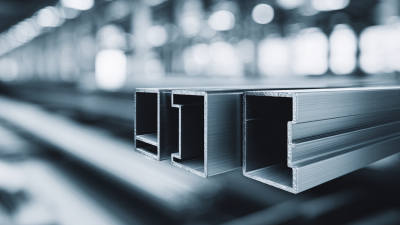
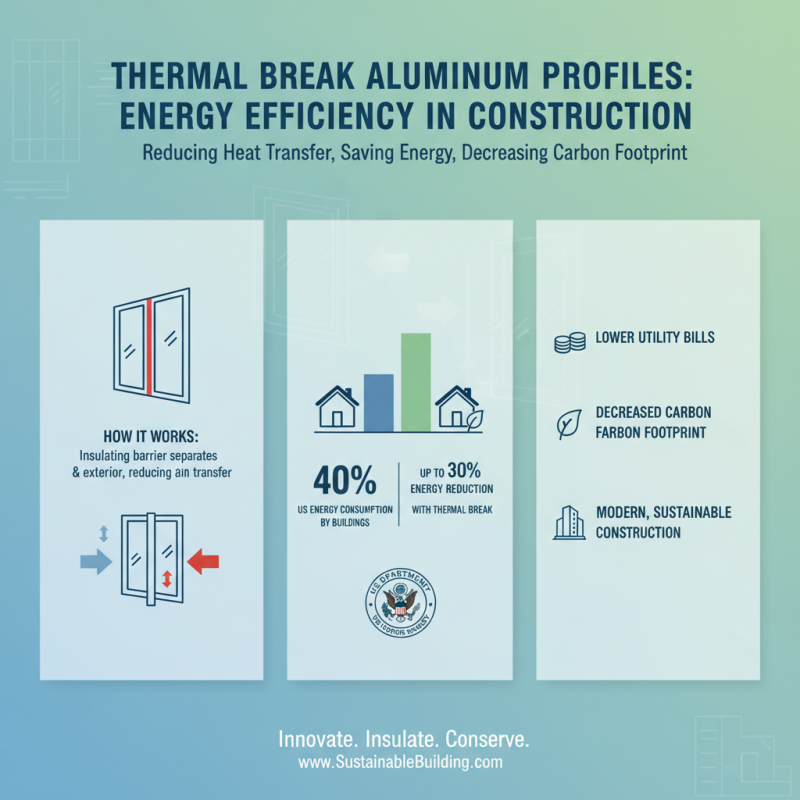
Thermal break aluminium profiles are specifically designed to enhance energy efficiency in modern construction. The primary definition of a thermal break is the use of insulating materials that physically separate the interior and exterior sides of an aluminium profile. This separation significantly reduces thermal conductivity, which means less heat escapes in winter and less heat enters in summer. The functionality of these profiles is critical in maintaining comfortable indoor temperatures while reducing reliance on heating and cooling systems, thereby lowering energy costs.
When choosing thermal break aluminium profiles, consider the design and thickness of the thermal break material. A thicker thermal break typically results in better insulation properties, which can lead to better energy performance ratings for the building. Additionally, look for profiles that offer dual functionality, combining strength and aesthetic appeal with energy efficiency.
Tips: Integrating thermal break profiles not only benefits energy consumption but also adds value to your property through improved sustainability ratings. When planning your projects, consulting with architects about strategic placement can maximize the advantages of these innovative profiles, ensuring both function and form in your construction endeavors.
Energy Efficiency Improvements in Modern Construction
The integration of thermal break aluminium profiles in modern construction has become a pivotal factor in enhancing energy efficiency. These profiles, designed with insulating materials that separate the interior and exterior sections of the frame, significantly reduce heat transfer. According to the latest report by the U.S. Department of Energy, buildings account for nearly 40% of total energy consumption in the United States, highlighting the urgent need for innovations that promote energy savings. By utilizing thermal break aluminium profiles, construction projects can achieve reductions in energy usage by up to 30%, leading not only to lower utility bills but also to a decreased carbon footprint.
Moreover, the improved thermal performance of buildings equipped with these profiles contributes to increased comfort for occupants while minimizing reliance on heating and cooling systems. A study conducted by the Building Research Establishment (BRE) indicates that enhancing the thermal envelope of a building can result in energy savings of approximately 20-60%, depending on the climate and the design of the structure. This sustainable approach aligns with global initiatives aimed at reducing greenhouse gas emissions, where energy-efficient buildings can play a crucial role. The shift towards thermal break aluminium profiles represents a strategic investment in building technologies that not only meet modern aesthetic demands but also prioritize energy efficiency and sustainability.
Enhanced Durability and Structural Integrity of Buildings
Thermal break aluminium profiles have emerged as a pivotal component in modern construction, offering enhanced durability and structural integrity for buildings. One of the key benefits these profiles provide is their ability to significantly reduce thermal bridging, which helps maintain interior temperature consistency. This thermal efficiency not only contributes to lower energy costs but also enhances the lifespan of building materials by minimizing temperature-induced stress and expansion. The robust nature of aluminium, reinforced by the thermal break, allows for the design of slimmer frames without compromising strength, further optimizing material usage and sustainability.
Tips for maximizing the benefits of thermal break aluminium profiles include ensuring proper installation to create an effective thermal barrier and regularly inspecting frame integrity to prevent potential water infiltration. Additionally, integrating these profiles into façade designs can elevate the aesthetic of modern architecture while providing significant thermal and acoustic insulation. By carefully selecting the right profiles for specific applications, builders can effectively enhance the overall performance and longevity of their structures, making thermal break profiles a smart investment for today's construction projects.
Benefits of Using Thermal Break Aluminium Profiles in Modern Construction
| Benefit |
Description |
Impact on Construction |
Long-term Advantages |
| Enhanced Energy Efficiency |
Minimizes heat transfer between indoors and outdoors. |
Reduced heating and cooling costs. |
Lower carbon footprint and energy consumption. |
| Increased Structural Integrity |
Strengthens the building envelope. |
Improved resistance to extreme weather conditions. |
Extended lifespan of building materials. |
| Noise Reduction |
Reduces sound transmission through building walls and frames. |
Creates a quieter indoor environment. |
Improved comfort for occupants. |
| Corrosion Resistance |
Protects against environmental factors. |
Reduced maintenance costs over time. |
Longer-term durability of building systems. |
| Design Flexibility |
Allows for various architectural styles. |
Facilitates innovative design solutions. |
Enhancement of aesthetic appeal of buildings. |
Design Flexibility and Aesthetic Options with Thermal Break Profiles
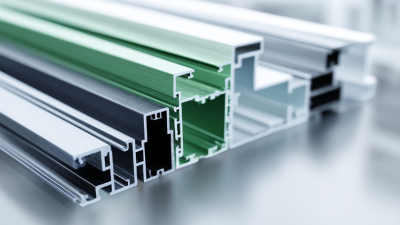
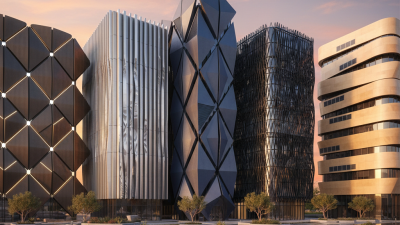
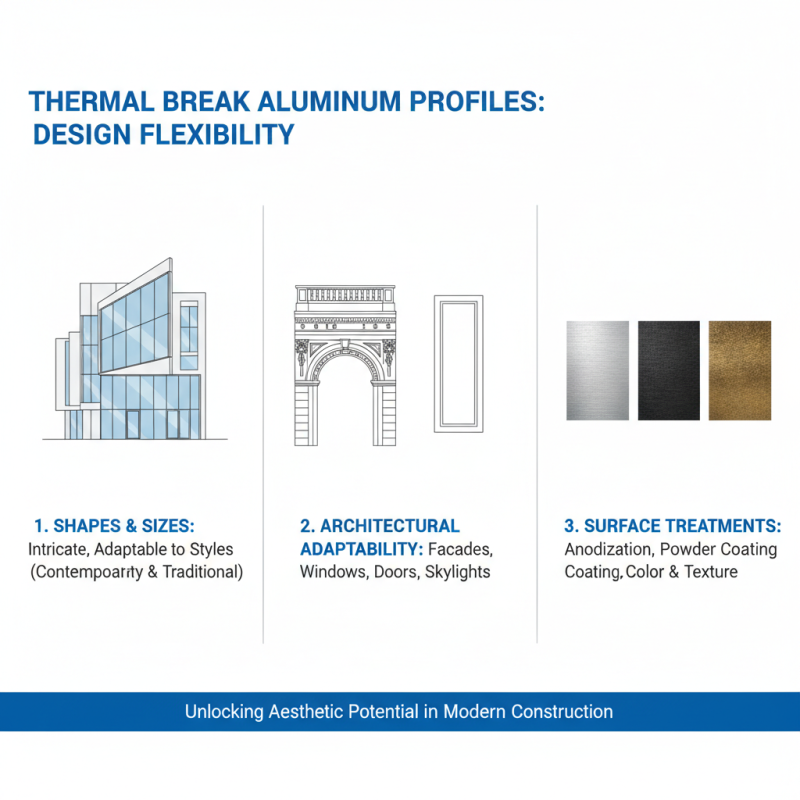
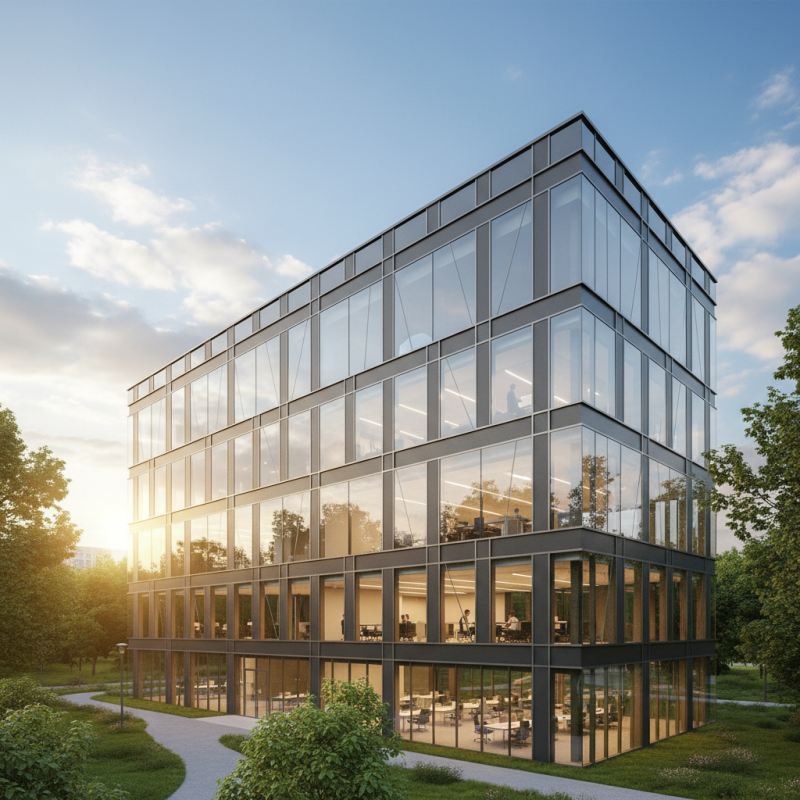
Thermal break aluminium profiles offer remarkable design flexibility, allowing architects and designers to explore a wide range of aesthetic options in modern construction. The inherent versatility of these profiles enables the creation of intricate shapes and sizes, which can adapt to various architectural styles. From sleek, contemporary facades to traditional designs that honor classical elements, thermal break aluminium profiles serve as a canvas that enhances the visual appeal of any structure. This adaptability also extends to different surface treatments, such as anodization or powder coating, providing further opportunities for customization in color and texture.
Additionally, the lightweight nature of thermal break aluminium profiles encourages innovative designs without compromising structural integrity. Their ability to accommodate larger glazing units not only enhances natural light penetration but also contributes to a more modern appearance. By integrating these profiles, designers can craft expansive glass walls that blur the lines between indoor and outdoor spaces, promoting a sense of openness in residential and commercial projects alike. As a result, thermal break aluminium profiles are becoming an essential choice for those seeking to achieve both aesthetic sophistication and functional excellence in their building designs.
Cost-Effectiveness in Long-Term Building Maintenance and Operations
The use of thermal break aluminium profiles in modern construction offers significant benefits, particularly when it comes to cost-effectiveness in long-term building maintenance and operations. According to a report by the Building Research Establishment, buildings with thermal break technology can enhance energy efficiency by up to 30%, leading to substantial reductions in heating and cooling costs. This is crucial considering that energy expenses typically account for a large portion of ongoing operational costs in commercial and residential properties.
Moreover, the lifespan of buildings utilizing these advanced profiles is often extended due to reduced thermal stress and corrosion, thus minimizing the need for frequent repairs and maintenance. A study by the Aluminium Federation indicates that properties equipped with thermal break systems experience a 25% decrease in maintenance costs over a 20-year period compared to traditional systems. These savings are further compounded by the improved environmental performance of the buildings, which can enhance their market value and attractiveness to eco-conscious occupants. By investing in thermal break aluminium profiles, property owners can achieve not only immediate cost savings but also long-term financial benefits that support sustainable building practices.
Benefits of Using Thermal Break Aluminium Profiles in Modern Construction