Leave Your Message

Top 10 Benefits of Wood Grain Aluminium Square Tube for Modern Construction?

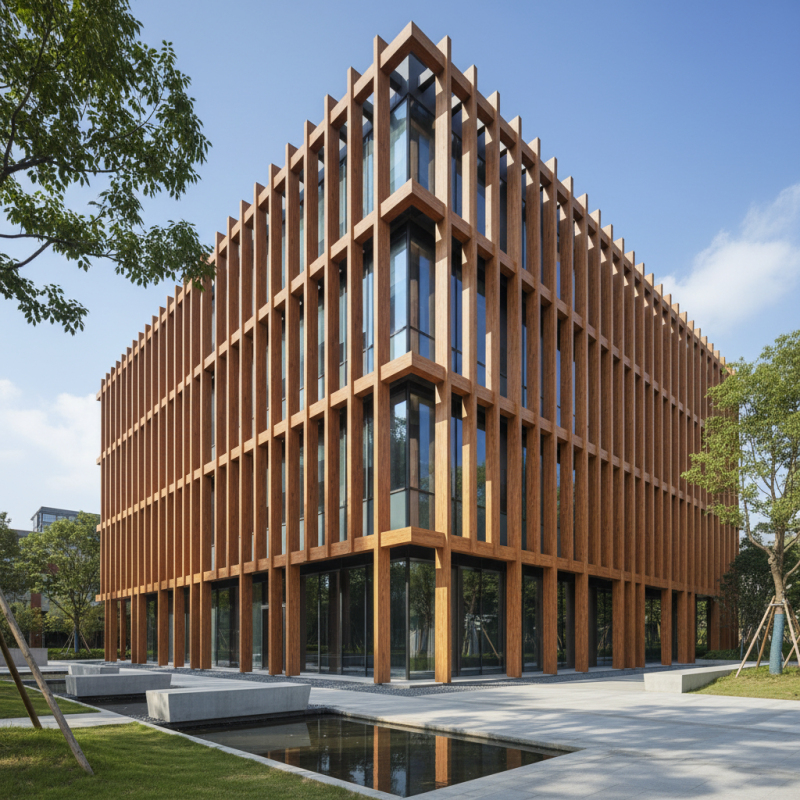
The use of Wood Grain Aluminium Square Tube in modern construction is revolutionizing design. This material combines the warmth of wood with the durability of aluminum. It appeals to architects and builders seeking innovative solutions.

Wood Grain Aluminium Square Tube offers aesthetic flexibility. Its ability to mimic natural wood enhances the visual appeal of structures. This aspect can be pivotal in residential and commercial projects alike. Moreover, it addresses the environmental concerns associated with deforestation.

Despite its advantages, some may question the cost-effectiveness of this material. Budget constraints can challenge its widespread adoption. However, considering the long-term benefits, it may prove worthwhile. Embracing Wood Grain Aluminium Square Tube could significantly uplift modern architecture, inviting reflection on our construction choices.
Top 10 Benefits of Wood Grain Aluminium Square Tube for Modern Construction?

Advantages of Wood Grain Aluminium Square Tubes in Construction

Wood grain aluminium square tubes provide a unique fusion of elegance and durability. Their aesthetics mimic traditional wooden materials, achieving a stylish modern look. According to recent industry studies, these tubes can enhance property value by up to 15% due to their appealing design. This combination makes them a popular choice for various construction projects.

Tips: Always consider environmental impact. Wood grain aluminium is often more sustainable than real wood. It requires less maintenance and retains its look over time.

[IMAGE] These tubes are incredibly versatile. Architects are increasingly using them for structural and decorative elements. They are resistant to rust, pests, and degradation, making them suitable for both indoor and outdoor applications. However, some builders note challenges with installation. Precise cutting and fittings are essential for achieving the desired outcome.

Another benefit is energy efficiency. Aluminium, while sturdy, has excellent thermal properties. This can lead to lower heating and cooling costs. However, it’s crucial to ensure proper insulation in the design.

Tips: Always test your designs in small-scale applications first. This can help you identify issues before full-scale implementation.
Durability and Longevity of Wood Grain Aluminium Square Tubes

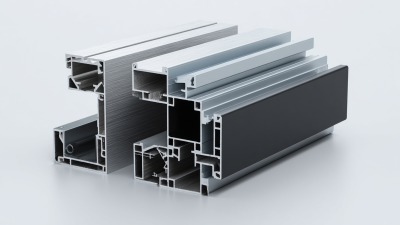
Wood grain aluminium square tubes offer robust durability, making them an ideal choice for modern construction. Research from industry reports indicates that aluminium alloys used in these tubes can resist corrosion significantly better than traditional materials. For instance, they can last up to 50 years with minimal maintenance. This timeline is largely due to a natural oxide layer forming on the surface, providing extra protection.

The realistic wood grain finish enhances aesthetic appeal while retaining strength. Many architects prefer this combination for various designs. However, some may question the environmental impact of aluminium production. Mining for bauxite can be energy-intensive. On the flip side, the longevity of these materials can offset initial costs when considering replacement cycles.

In terms of thermal performance, wood grain aluminium square tubes show promising results. They have lower thermal conductivity compared to steel, helping to reduce energy costs in climate-controlled buildings. Yet, one must consider the proper insulation when integrating these tubes into a structure. This ensures that the full benefits are realized without compromising energy efficiency. Overall, their qualities serve as compelling factors for many modern architectural applications.

Top 10 Benefits of Wood Grain Aluminium Square Tube for Modern Construction

Benefit Description Impact
Durability Wood grain aluminium square tubes are resistant to rust, corrosion, and weathering. Long-term cost savings due to reduced maintenance.
Aesthetic Appeal Imitates the natural look of wood while providing the strength of aluminium. Enhances visual attractiveness in modern architecture.
Lightweight Aluminium is significantly lighter than traditional timber. Easier handling and installation, leading to reduced labor costs.
Sustainability Recyclable materials with lower environmental impact. Contributes to green building practices.
Versatility Can be used in a variety of applications, including structural and decorative. Flexible design options for architects and builders.
Low Maintenance Requires minimal upkeep compared to wood. Saves time and money in building upkeep.
Resistance to Pests No risk of termites or other wood-destroying pests. Increases lifespan of structural elements.
Thermal Efficiency Aluminium can enhance energy efficiency with proper insulation. Potentially lowers heating and cooling costs.
Cost-Effectiveness Provides a long-lasting solution at a competitive price. Maximizes investment over time.
Innovative Designs Facilitates modern and innovative architectural designs. Encourages creativity in building projects.

Aesthetic Appeal of Wood Grain Finishes in Modern Architecture

Wood grain aluminium square tubes have gained popularity in modern architecture. Their aesthetic appeal is undeniable. The rich textures and warm tones of wood create a welcoming atmosphere. These finishes can mimic natural wood without the upkeep. Architects appreciate the versatility it offers.

A tip for integrating wood grain finishes is to balance them with other materials. Pairing these tubes with glass or concrete enhances visual interest. Use contrasting colors to make wood grain stand out. This creates a modern yet inviting look that draws attention.

Another consideration is placement. A strategically placed wood grain tube can highlight key features of a structure. Large surfaces benefit from these finishes, adding depth. While it’s essential to maintain a cohesive design, incorporating imperfections can create character. Embrace natural variations in the finish. They tell a story and invite reflection on the beauty of materials.

Sustainability Aspects of Using Aluminium in Construction

Aluminium is emerging as a key material in modern construction. It is lightweight yet strong, making it ideal for various applications. The wood grain finish on aluminium square tubes adds aesthetic value. Buildings become more visually appealing while remaining functional. This blend of beauty and strength is essential for contemporary architecture.

Sustainability is a crucial consideration. Aluminium is recyclable. It can be reused multiple times without any loss in quality. This reduces waste and conserves natural resources. However, not all recycling processes are energy-efficient. This raises concerns about the overall environmental impact. It is vital to explore methods that enhance sustainability further. Relying solely on aluminium's properties might overlook other eco-friendly options.

There is also the challenge of sourcing materials responsibly. While aluminium has advantages, the mining process can be harmful. The environmental footprint must be evaluated. As we embrace aluminium, we should not ignore the potential downsides. A thoughtful approach will lead to better solutions in construction practices. It's a balance between innovation and responsibility.

Top 10 Benefits of Wood Grain Aluminium Square Tube for Modern Construction

Cost-Effectiveness of Wood Grain Aluminium Square Tubes

Top 10 Benefits of Wood Grain Aluminium Square Tube for Modern Construction?

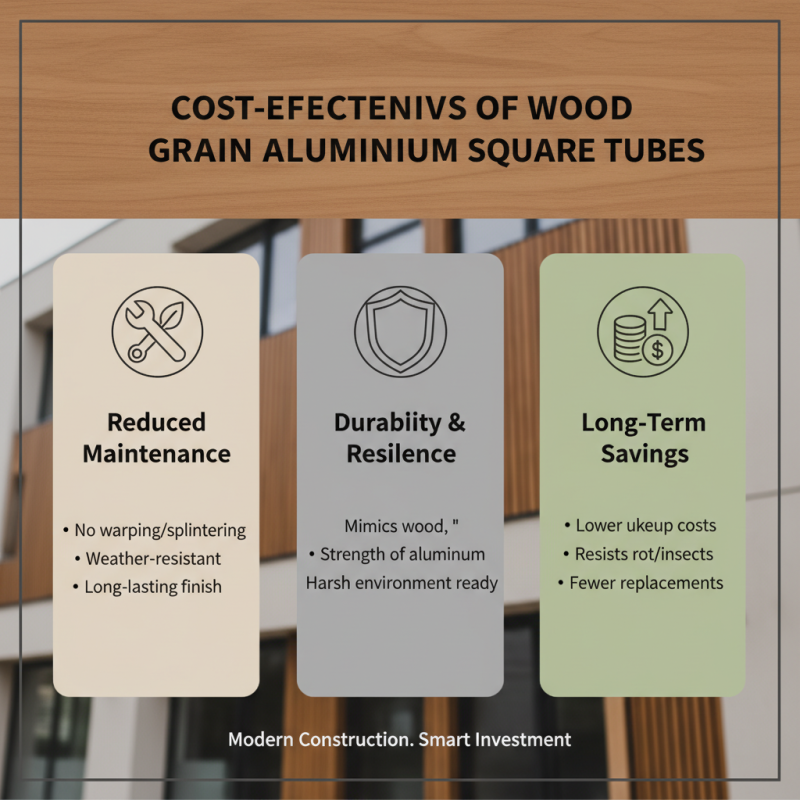
Wood grain aluminium square tubes offer significant cost-effectiveness for modern construction. These materials mimic the look of wood while providing the durability of aluminium. This combination can reduce maintenance costs over time. In environments where weather can be harsh, wood grain aluminium stands resilient. It doesn't warp or splinter like natural wood does.

Investing in wood grain aluminium square tubes may require a higher upfront cost. However, savings accrue through reduced maintenance and longer lifespan. Contractors can see fewer replacements, which translates to budget relief in the long run. Moreover, the aesthetic appeal can attract buyers, improving sales potential. It’s a delicate balance of initial investment and longevity.

While these materials provide various advantages, some drawbacks exist. The installation process can be complex and may require specialized skills. Not every construction team has experience with this type of product. Understanding these challenges is crucial for homeowners and builders alike. Making informed decisions ensures that the benefits outweigh the issues.