5 Best Wood Grain Aluminum Tube Manufacturers Worldwide
The global demand for lightweight, decorative, and corrosion-resistant materials is reshaping architectural and industrial design. Aluminum remains central to this shift because it combines low weight, recyclability, and strong extrusion performance. The International Aluminium Institute reports that worldwide primary aluminum production exceeded 70 million tonnes annually in recent years. That scale supports a broad ecosystem of billet producers, extrusion mills, coating specialists, and fabricators.
Wood Grain Aluminum Tube products occupy a more specialized space. They imitate timber while offering more consistent dimensions, lower maintenance, and improved resistance to moisture, insects, and ultraviolet exposure. Grand View Research identifies construction, transportation, and consumer products as important aluminum application areas. The Aluminum Association also highlights extrusion’s value for producing complex, repeatable profiles. These findings provide useful context, although they do not measure every wood-finish tube supplier directly.
This article reviews five Wood Grain Aluminum Tube manufacturers worldwide, using practical purchasing criteria. We consider extrusion accuracy, alloy options, grain-transfer or powder-coating quality, wall-thickness control, customization, and export capability. Samples deserve attention. A realistic evaluation should inspect color consistency under daylight, joint fit, coating adhesion, and cut-edge appearance. Small details matter. Supplier certifications, inspection records, and project references also help verify claims. No ranking is flawless. A manufacturer with excellent capacity may still offer limited grain patterns or slow sample development. Conversely, a smaller factory may provide careful customization but lack stable international logistics. The shortlist therefore balances technical evidence, production experience, communication, and reliability rather than relying on marketing language alone.
What Is Wood Grain Aluminum Tubing?
5 Best Wood Grain Aluminum Tube Manufacturers Worldwide
What Is Wood Grain Aluminum Tubing?
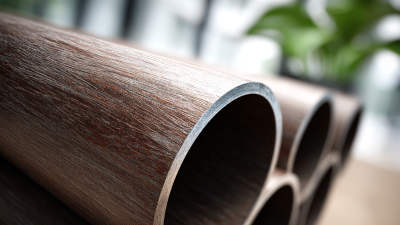
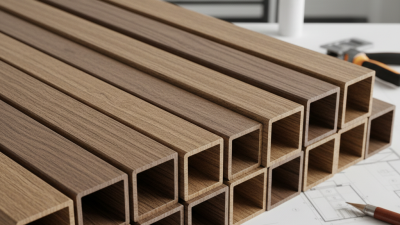
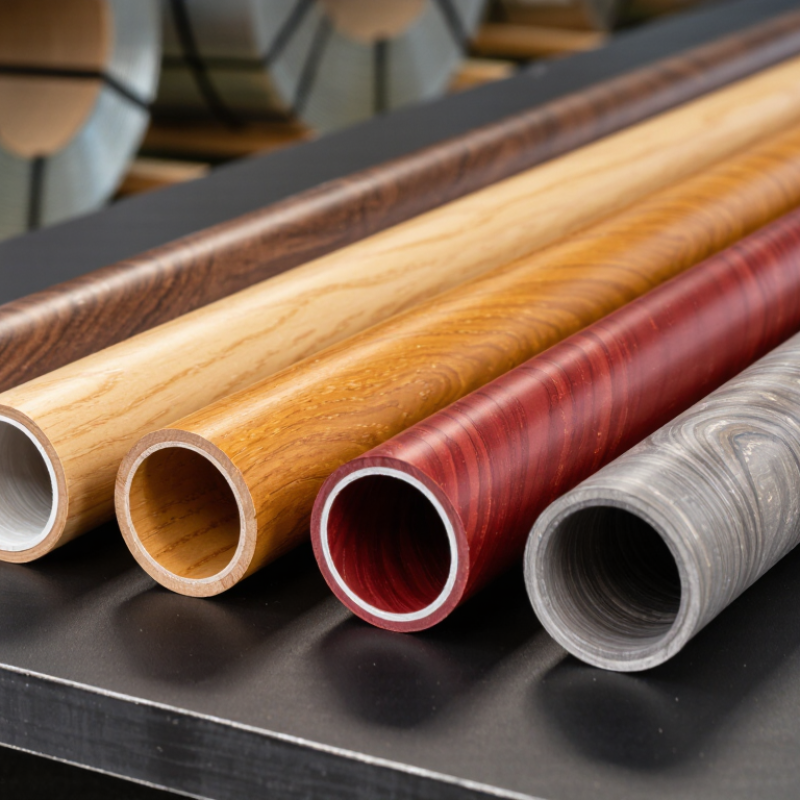
Wood grain aluminum tubing is an aluminum profile finished to resemble natural timber. It combines aluminum’s low weight with a printed or powder-coated wood appearance. The surface may show oak, walnut, teak, or other grain patterns. Unlike real wood, it resists termites, moisture, and common outdoor decay.
Manufacturers usually shape aluminum through extrusion, then clean, treat, and finish the surface. A transfer film or specialized coating creates the grain effect. Quality depends on alloy selection, coating thickness, color consistency, and curing control. The tube can support railings, screens, pergolas, furniture frames, and architectural decorations. It feels modern, but it still needs careful inspection.
A convincing finish is not enough. The tube should remain straight, uniform, and free from dents. Some samples look excellent under showroom lighting, yet reveal uneven grain outdoors. That detail deserves attention. Reliable manufacturers provide technical data, sample pieces, coating information, and tolerance measurements. They should also explain how the finish performs under sunlight and changing temperatures.
Tips: Request a physical sample before ordering. Check the grain from several angles. Measure wall thickness and outer dimensions. Confirm whether the profile is structural or decorative. Ask about cutting marks, color matching, and protective packaging. Small scratches can become obvious after installation. Even experienced buyers may overlook this point.
5 Best Wood Grain Aluminum Tube Manufacturers Worldwide — What Is Wood Grain Aluminum Tubing?
Wood grain aluminum tubing is aluminum tube or extrusion finished with a wood-look transfer coating, commonly applied through sublimation after powder coating. The aluminum core remains lightweight, corrosion-resistant, and recyclable, while the surface provides a decorative wood appearance for architectural, furniture, railing, and interior applications.
The chart compares representative minimum tensile and yield strengths for commonly used aluminum alloys and tempers in extruded products. Actual tube performance depends on wall thickness, extrusion geometry, temper, applicable specification, and surface-finishing process.
How Wood Grain Aluminum Tubes Are Manufactured
Wood grain aluminum tubes begin with a carefully selected aluminum alloy, often chosen for strength, bendability, and surface consistency. Manufacturers heat billets and push them through a shaped die to create round, oval, or custom profiles. The extruded tube is cooled, stretched, and cut to controlled lengths. Small dimensional errors can appear here. Experienced operators check wall thickness, straightness, and diameter with calibrated tools.
The surface is then cleaned and chemically pretreated to improve coating adhesion and corrosion resistance. A powder basecoat is applied before the wood pattern is transferred through a heat sublimation process. Under controlled temperature and pressure, the printed film releases pigments into the coating. Grain direction matters. It must follow the tube’s geometry without visible breaks or excessive distortion. Technicians monitor oven temperature, line speed, and curing time, because a few minutes can change gloss and color.
After curing, quality teams inspect the tube under natural and artificial light. They test adhesion, hardness, color consistency, and resistance to humidity or abrasion. Samples may also be checked after cutting, drilling, or bending, since fabrication can expose weak areas. No finish is perfectly identical. Real timber varies, and printed patterns should retain believable variation. However, uncontrolled differences signal poor process control. Manufacturers refine ink density, film tension, and heating profiles when results fall short. This practical review supports reliable architectural, furniture, and outdoor applications.
Five Leading Wood Grain Aluminum Tube Manufacturers
Five Leading Wood Grain Aluminum Tube Manufacturers
The five leading wood grain aluminum tube manufacturers stand out through process control, not attractive samples alone. Experienced producers begin with accurate aluminum extrusion and consistent wall thickness. They then apply heat-transfer or sublimation finishes that imitate oak, walnut, or ash grain. A reliable factory should explain alloy options, coating limits, and batch tolerances clearly.
One leading group specializes in architectural tubes for railings, screens, and outdoor frames. Another focuses on lightweight profiles for furniture and interior fittings. A third combines custom tooling with short development cycles. The fourth is stronger in high-volume production, using automated inspection along long extrusion lines. The fifth offers flexible surface matching for projects requiring unusual grain direction or muted colors. These differences matter when buyers compare manufacturers worldwide.
During factory evaluations, request recent samples, cross-section photos, and finish-testing records. Check whether the grain remains aligned around corners and whether the coating survives cleaning and sunlight exposure. Ask about packaging, because poorly protected tubes can arrive with rubbed edges. No supplier is perfect. A sample may look excellent while production varies slightly between batches. I would also question vague claims about durability. Clear reports, traceable materials, and honest limits build more trust than polished advertising. A practical trial order often reveals more than a long presentation.
5 Best Wood Grain Aluminum Tube Manufacturers Worldwide - Five Leading Wood Grain Aluminum Tube Manufacturers
Applications and Selection Considerations for Buyers
5 Best Wood Grain Aluminum Tube Manufacturers Worldwide
Wood grain aluminum tubes suit furniture frames, lighting bodies, display systems, and architectural handrails. Their printed or powder-coated surfaces imitate timber while resisting moisture and insects. Buyers should match the tube to its working environment. Indoor décor needs a different finish than outdoor railing. Salt air, sunlight, and frequent handling can expose weak coatings quickly.
When comparing five shortlisted manufacturers, request alloy details, wall thickness, dimensional tolerances, and surface test data. Ask how the grain pattern remains aligned across cut lengths. A beautiful sample may hide inconsistent color between production batches. Check bending performance, weldability, and the supplier’s quality inspection records. Confirm minimum order quantities, tooling charges, packaging strength, and replacement procedures before signing. Independent coating tests add confidence, especially for outdoor use.
Tips:
Order samples in several lengths. Inspect corners, ends, and drilled areas. Rub the surface gently with a cloth. Compare gloss under warm and cool light. Do not judge durability from appearance alone. Ask for salt-spray, adhesion, and weathering results. Some suppliers provide impressive documents but limited traceability. That deserves a second review. Allow extra time for custom grain matching, because small color differences can become obvious across a large installation.