What are Broken Bridge Aluminium Profiles and Their Benefits?
In the world of construction and design, "Broken Bridge Aluminium Profiles" stand out. They are a unique solution for energy efficiency and durability. According to industry expert Dr. Emily Carter, "These profiles can significantly reduce thermal conductivity." This aspect makes them essential for modern building designs.
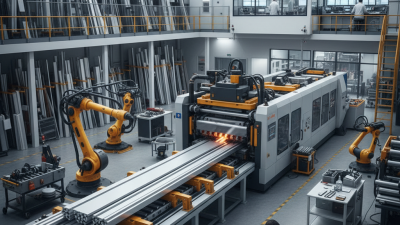
Broken Bridge Aluminium Profiles feature a thermal break that minimizes heat transfer. They help maintain comfortable indoor temperatures, which reduces energy costs. This is particularly important in climates with extreme weather conditions. However, the manufacturing process can be complex, leading to variations in quality. Not all profiles perform equally, which is a point of concern.
The advantages of these profiles are notable, but they require careful consideration. Clients must evaluate the options available thoroughly. Choosing the right product often involves balancing cost with performance. This decision can lead to significant long-term benefits. Ultimately, Broken Bridge Aluminium Profiles represent a blend of innovation and practicality in the construction industry.
What are Broken Bridge Aluminium Profiles?
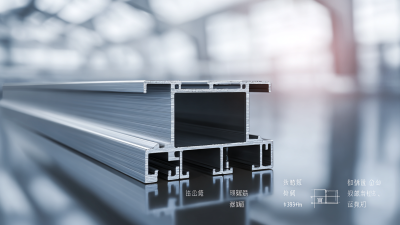
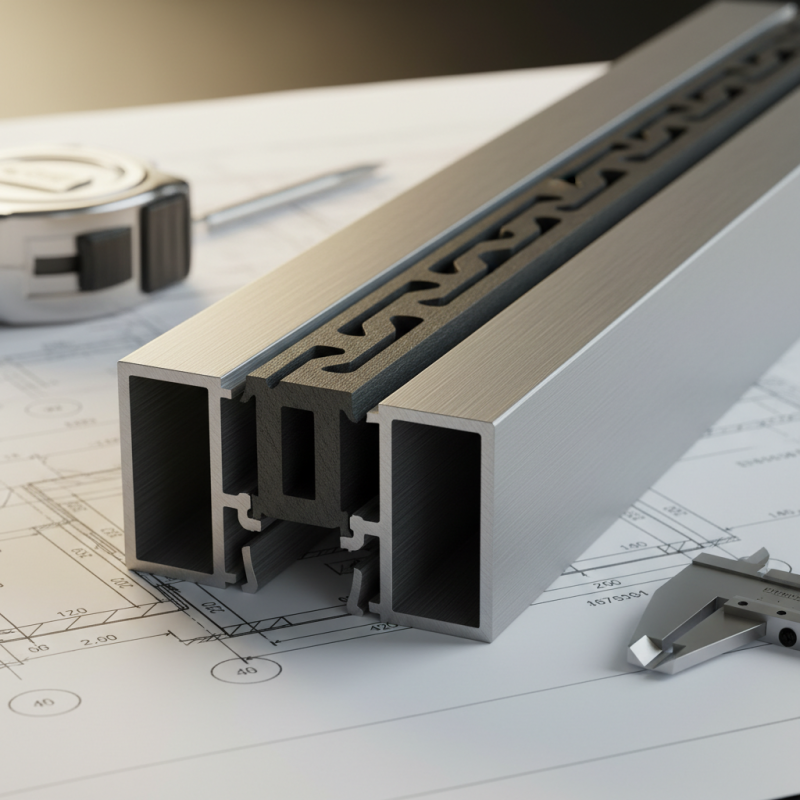
Broken bridge aluminium profiles refer to a special type of aluminium frame designed for windows and doors. These profiles feature a thermal break, which means there is a layer of insulating material between the inner and outer sections. This design helps to prevent heat transfer, making them energy-efficient. In colder climates, this is especially beneficial. It reduces the need for excessive heating, leading to lower energy bills.
The structure of broken bridge profiles allows for better insulation and noise reduction. These attributes can significantly enhance comfort in living spaces. However, it is not just about efficiency; aesthetics matter too. The smooth finish and various colors available make them visually appealing. This allows homeowners to choose designs that complement their home decor.
Despite their benefits, there are considerations. Installation can be more complex than traditional profiles. Errors during installation may lead to leaks or reduced performance. Homeowners should ensure they hire skilled professionals. It's crucial to weigh all factors before making choices. Aluminium profiles are a significant investment, and they should live up to their promise of durability and efficiency.
Benefits of Broken Bridge Aluminium Profiles
Key Features of Broken Bridge Aluminium Profiles
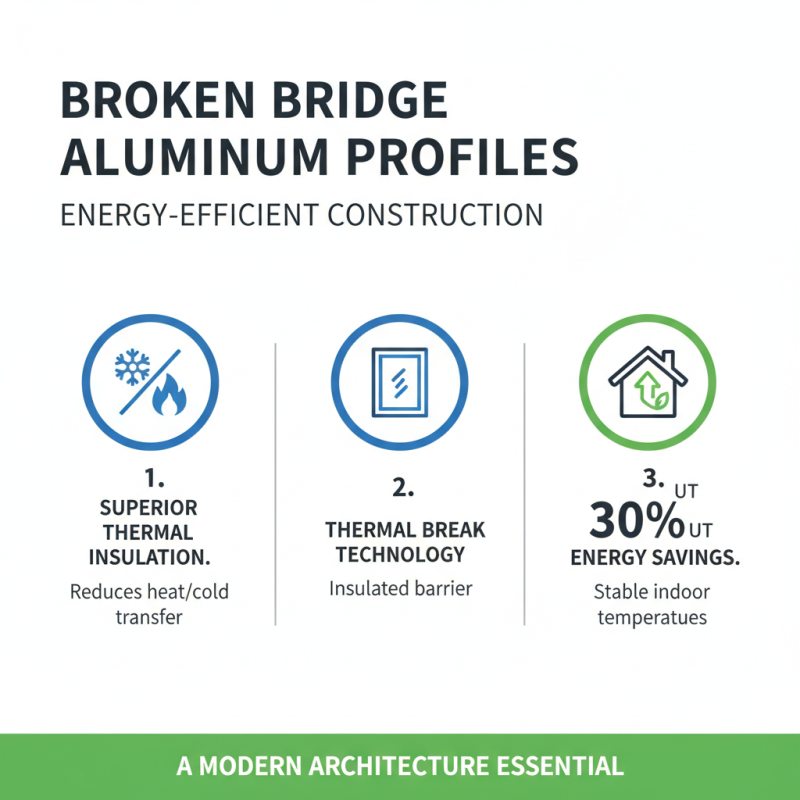
Broken bridge aluminium profiles are gaining popularity in construction for their unique properties. One key feature is thermal insulation. Traditional aluminium conducts heat and cold easily. In contrast, broken bridge profiles use a thermal break. This reduces heat transfer significantly, helping buildings maintain stable indoor temperatures. Reports indicate that these profiles can improve energy efficiency by up to 30%. It's a lifesaver for modern architecture.
Another important aspect is their durability. Broken bridge aluminium profiles resist corrosion and wear. This long-lasting material can withstand harsh weather. Many studies highlight that profiles can last 50 years or longer with minimal maintenance. This durability offsets the upfront costs for many projects. However, some may overlook this benefit, focusing only on initial expenses rather than long-term savings.
Aesthetics also play a crucial role in their appeal. These profiles are available in various finishes, allowing architects to create stunning designs. The sleek look complements both contemporary and traditional styles. Still, the market faces challenges. Some builders hesitate due to misconceptions about cost. Education on the long-term benefits is essential. The potential for innovation in design remains high, yet awareness is still growing slowly in some regions.
Advantages of Using Broken Bridge Aluminium Profiles
Broken bridge aluminium profiles are increasingly popular in construction. These profiles feature a thermal break that enhances insulation. This unique design helps reduce energy loss. As a result, buildings maintain a more stable internal temperature, leading to lower energy bills.
One significant advantage is their durability. Aluminium resists corrosion and can withstand harsh weather conditions. This means fewer repairs and replacements over time. You won’t need to worry about frequent maintenance. Their aesthetic appeal is another benefit. These profiles can be customized in various finishes. This allows for creative architectural designs.
**Tip:** Always consider the climate in your area. The right broken bridge aluminium profiles can make a significant difference. In extreme temperatures, ensure the profiles are well-insulated.
However, not all installations go smoothly. Improper installation can lead to issues. Misaligned profiles might compromise insulation effectiveness. Always hire a qualified professional for installation to avoid regrets. You might save money now, but expenses could mount later.
What are Broken Bridge Aluminium Profiles and Their Benefits? - Advantages of Using Broken Bridge Aluminium Profiles
| Dimension |
Description |
Benefits |
| Thermal Insulation |
Broken bridge technology separates interior and exterior aluminium layers. |
Reduces heat transfer, improving energy efficiency. |
| Sound Insulation |
Multi-chamber design helps in sound dampening. |
Enhances comfort by reducing external noise. |
| Durability |
Aluminium is resistant to rust and corrosion. |
Long-lasting performance with minimal maintenance. |
| Aesthetic Appeal |
Available in various colors and finishes. |
Enhances the visual appeal of buildings. |
| Sustainability |
Recyclable material reduces environmental impact. |
Supports eco-friendly building practices. |
Applications of Broken Bridge Aluminium Profiles
Broken bridge aluminium profiles have gained popularity in various sectors. These profiles are designed to prevent thermal transfer between the outside and inside of structures. They are crucial in energy efficiency. Reports indicate that windows and doors made with these materials can reduce energy loss by over 40%. This is significant, considering that around 30% of energy loss in buildings occurs through windows.
Applications of broken bridge aluminium profiles are diverse. In residential buildings, they are widely used for window frames and sliding doors. They help maintain comfortable indoor temperatures, especially in extreme climates. In commercial buildings, these profiles support large façades and are vital for aesthetic appeal. Research shows that modern buildings using these profiles can achieve better energy ratings, sometimes exceeding the required standards by up to 20%.
Despite their benefits, there are challenges. Installation requires skilled labor, which can be costly. Furthermore, while these profiles are durable, they may require maintenance to avoid corrosion. While many appreciate their energy-saving features, some find them less visually appealing than traditional materials. This leads to debates about balancing aesthetics with functionality.
Comparison with Other Aluminium Profile Types
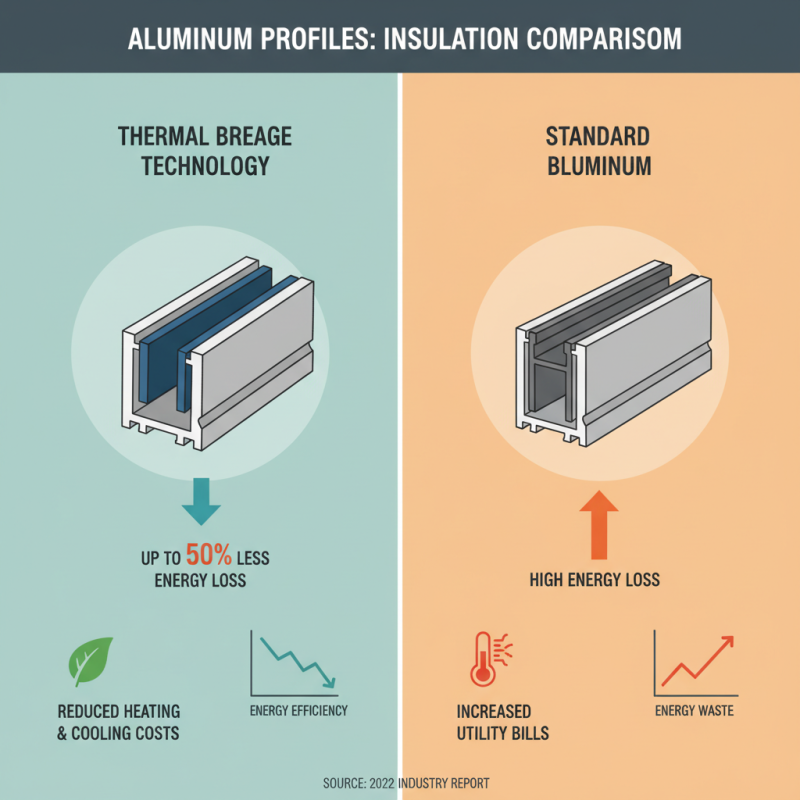
Broken bridge aluminium profiles offer unique advantages over conventional profiles. They feature a thermal break, which enhances insulation properties. As per a 2022 industry report, these profiles can reduce energy loss by up to 50%. This can significantly impact heating and cooling costs. In contrast, standard aluminium profiles often lead to thermal bridging, which diminishes energy efficiency.
When compared to other aluminium types, broken bridge profiles stand out due to their design. They combine strength with lightweight properties. However, they may bear a higher initial cost. This investment results in long-term savings. A recent study highlighted that users of broken bridge profiles reported 30% lower energy expenses annually. These profiles also exhibit greater resistance to environmental factors, which is particularly beneficial in harsh climates.
Though broken bridge profiles come with benefits, they are not without challenges. Installation requires precision, which can lead to errors. These mistakes can negate some energy efficiency gains. Additionally, maintenance can prove more complex than with standard profiles. As the industry evolves, these considerations will need to be addressed for broader adoption.