What is Broken Bridge Aluminium Profiles and Their Benefits?
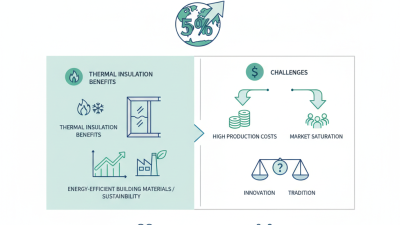
Broken Bridge Aluminium Profiles have emerged as a popular choice in modern construction and design. These profiles, known for their thermal insulation properties, provide significant benefits over traditional aluminium options. They are engineered to reduce thermal transfer, making buildings more energy-efficient.
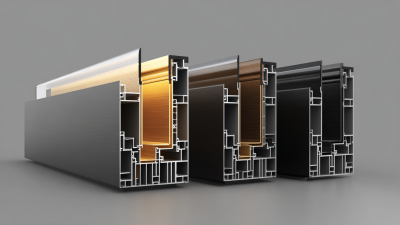
Incorporating Broken Bridge Aluminium Profiles into your projects can enhance comfort and reduce energy costs. Their unique design consists of an insulating material sandwiched between two aluminium sections. This innovation effectively minimizes heat loss in winter and keeps interiors cool during summer.
However, some challenges come with implementing these profiles. The initial investment may be higher than regular aluminium. Additionally, proper installation is crucial to ensure their effectiveness. Understanding the benefits and drawbacks of Broken Bridge Aluminium Profiles can lead to informed decisions in building energy-efficient spaces.
What are Broken Bridge Aluminium Profiles?
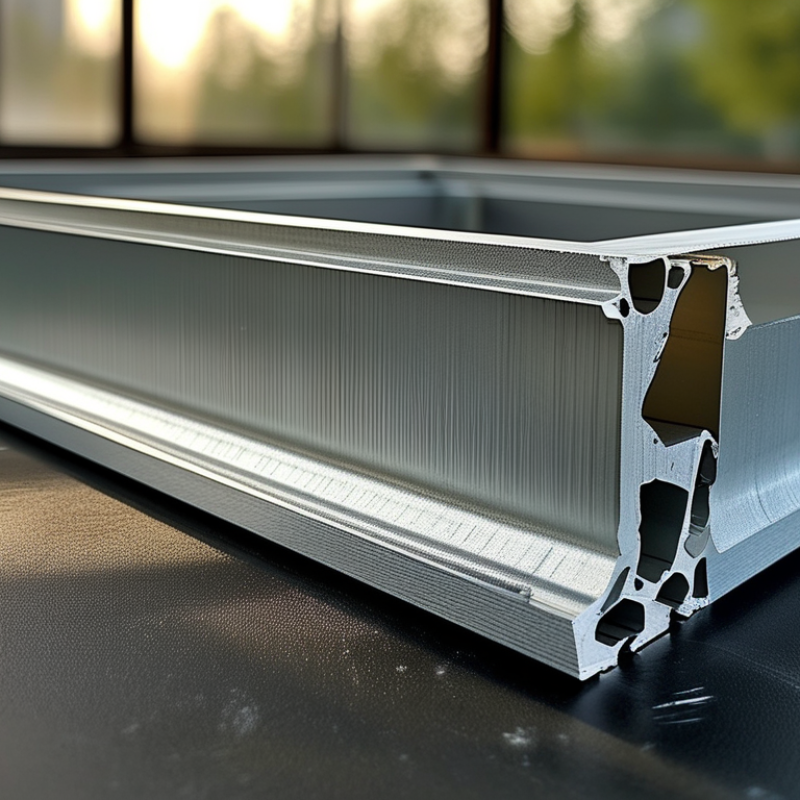
Broken Bridge Aluminium Profiles are a unique type of construction material. They are designed to improve thermal insulation in buildings. This insulation is crucial for energy efficiency. The technology reduces energy costs, making it a popular choice among architects.
These profiles consist of two sections separated by a thermal break. This break minimizes heat transfer. Thus, indoor temperatures remain stable, whether it’s hot or cold outside. In addition, they provide strength and durability. They resist corrosion and require minimal maintenance.
Using Broken Bridge Aluminium Profiles can be a transformative choice for modern architecture. Although they offer many benefits, there are some considerations. Installation may require specialized skills. Not all buildings are suited for these profiles. Careful evaluation is essential.
Benefits of Broken Bridge Aluminium Profiles
This bar chart illustrates the key benefits of Broken Bridge Aluminium Profiles, highlighting their importance in modern construction and architecture. Each benefit is represented as a percentage, showcasing how they contribute to energy efficiency, durability, aesthetic appeal, thermal insulation, and low maintenance requirements.
Key Features of Broken Bridge Aluminium Profiles
Broken Bridge Aluminium Profiles stand out for several reasons. These profiles use a unique thermal break technology. This design reduces heat transfer, making them energy-efficient. They help maintain indoor temperatures, improving comfort. Homeowners see lower energy bills, which is a key benefit.
Durability is another highlight. Broken Bridge profiles resist corrosion and weather damage. This makes them a solid choice for various climates. They offer a sleek look, enhancing any building’s aesthetics. The variety of finishes available means they can match different architectural styles. Although their initial cost may be higher, the long-term savings and resilience make them worthwhile.
Installation can be a challenge. Proper handling is necessary to avoid damage. Innovations in the industry aim to simplify this process. However, the complexity still requires skilled labor for best results. This aspect is crucial and should not be overlooked. Overall, these profiles blend technology with design, offering substantial benefits.
Benefits of Using Broken Bridge Aluminium Profiles
Broken bridge aluminium profiles are becoming a popular choice for construction and design. These profiles feature a thermal break, which provides excellent insulation. This design minimizes the transfer of heat or cold, making buildings more energy-efficient.
One benefit of using broken bridge aluminium profiles is their durability. They resist corrosion and wear, ensuring a long lifespan. Additionally, their lightweight nature makes them easier to handle and install. This can lower labor costs on projects. Visual appeal is another advantage. The sleek finish of aluminium is attractive and can enhance the overall aesthetic of a building.
However, it is essential to consider the initial costs of broken bridge aluminium profiles. While they are a worthwhile investment, some may find them expensive upfront. It's crucial to weigh these costs against potential energy savings over time. This reflection can lead to better decision-making regarding material choices in construction.
What is Broken Bridge Aluminium Profiles and Their Benefits?
| Feature |
Description |
Benefit |
| Thermal Break |
Utilizes insulating materials to reduce thermal transfer. |
Improves energy efficiency and reduces heating/cooling costs. |
| Sound Insulation |
Designed to minimize noise transmission. |
Enhances comfort in residential and commercial spaces. |
| Durability |
Resistant to corrosion and weather effects. |
Increases lifespan of window and door installations. |
| Eco-Friendly |
Made from recyclable materials. |
Reduces environmental impact and promotes sustainability. |
| Aesthetics |
Available in various colors and finishes. |
Enhances the visual appeal of buildings and interiors. |
Applications of Broken Bridge Aluminium Profiles
Broken Bridge Aluminium Profiles are increasingly popular in construction and architecture. They offer thermal insulation and energy efficiency. Research has shown that these profiles can reduce heat transfer by 70% compared to traditional materials. This efficiency is critical in modern buildings, where energy costs are a concern.
Applications are diverse. Many high-rise buildings use broken bridge profiles. They provide a sleek design and improve durability. Additionally, residential homes benefit from their weather resistance. In cold climates, this technology helps maintain interior temperatures. A report from the International Aluminium Institute highlights that using these profiles can decrease HVAC costs by up to 30%.
However, it's not all smooth sailing. Some professionals worry about the initial cost and installation complexity. Projects may face delays if installation is not handled properly. Moreover, the market's growth relies on education. Many builders are unaware of the full benefits. Awareness is crucial to overcome misconceptions and foster adoption.
Comparison with Traditional Aluminium Profiles
Broken bridge aluminium profiles are becoming a popular choice in modern construction. They differ significantly from traditional aluminium profiles, which can lead to better energy efficiency and performance. According to recent industry reports, broken bridge designs can reduce thermal transmittance by up to 30% compared to standard profiles. This reduction helps maintain stable indoor temperatures, leading to lower energy costs.
One major advantage is in sound insulation. Broken bridge aluminium profiles enhance soundproofing capabilities, making buildings quieter. Studies indicate a 40% improvement in sound reduction compared to conventional materials. This is particularly beneficial in urban environments where noise pollution is a concern.
Tip: When selecting aluminium profiles, pay attention to insulation properties. Look for profiles designed for specific climates. Consider the long-term energy savings against initial costs. Balancing these factors can lead to more sustainable choices. Strive for a methodical approach by evaluating various profiles against your specific project needs.