How to Choose the Best Aluminum Section Profiles for Your Needs?
Choosing the best Aluminum Section Profiles is crucial for various projects, whether in construction or manufacturing. These profiles offer versatility and strength, but selecting the right type can be challenging. Each application has specific requirements that influence the choice of profiles. Ideally, you want to understand the strengths and weaknesses of available options.
Aluminum Section Profiles come in different shapes and sizes, catering to distinct needs. From structural frames to custom designs, the variety can be overwhelming. It’s important to evaluate what your project truly demands. Dive deeper into material properties such as weight, corrosion resistance, and finish. Each of these factors plays a significant role in your final decision.
Some users may overlook the importance of supplier reliability and expertise. Choosing a trusted provider can make a difference in quality and support. Remember to consider available resources for guidance. Finding the right Aluminum Section Profiles demands careful thought and reflection. Every project is unique, and what works for one may not suit another. An informed choice will save you time and resources in the long run.

Understanding Aluminum Section Profiles and Their Applications
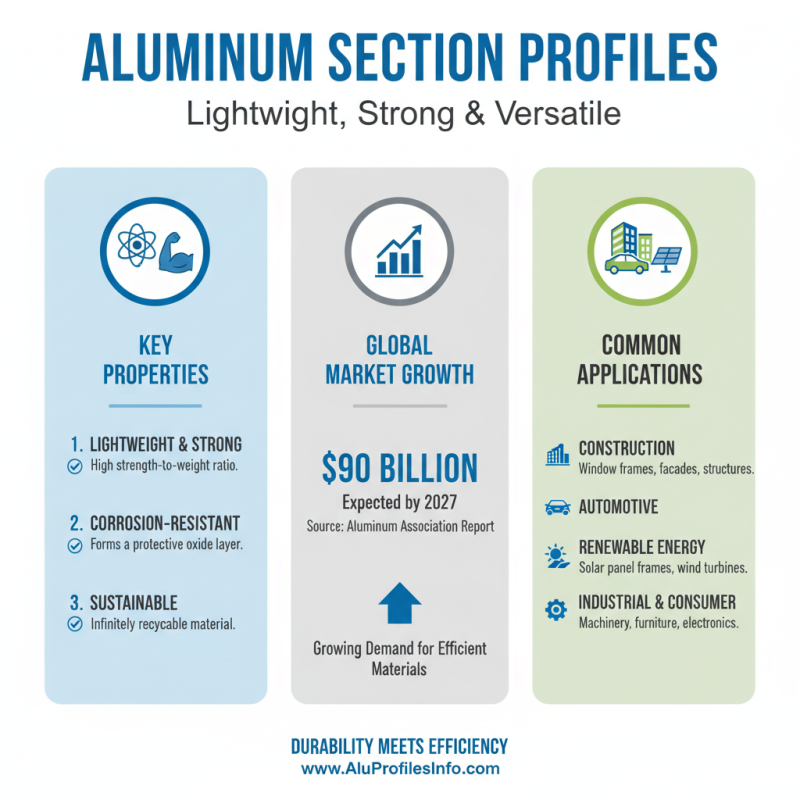
Aluminum section profiles play a critical role in various applications, from construction to automotive. They are lightweight yet strong, making them highly favored in industries needing durability without adding excessive weight. According to a report by the Aluminum Association, the global market for aluminum profiles is expected to reach $90 billion by 2027. This growth reflects the increasing demand for sustainable and efficient materials.
Understanding different profiles like angles, channels, and tubes is essential. Each type has unique properties tailored for specific uses. For example, aluminum angles are commonly used for frames, while channels are ideal for structural supports. In contrast, tubes provide excellent strength for lightweight applications. Pay attention to the profile's dimensions and weight capacity to ensure it meets your project requirements.
Tips: Always check the manufacturing standard of the aluminum you choose. The standards can vary, affecting strength and corrosion resistance. Seek profiles with certified quality assurance to ensure longevity and reliability. Finally, consider consulting with an expert if unsure about your choice; this can prevent costly mistakes down the line.
Identifying Your Project Requirements and Specifications
When selecting aluminum section profiles, it’s crucial to identify your project requirements thoroughly. Start by considering the specific application. Are you constructing a framework, a component, or a safety feature? Understanding the function of the profiles helps narrow down your options significantly. It’s essential to define the load-bearing capacity and the environmental conditions they will be exposed to.
Next, think about the dimensions and shapes needed. Different projects require varying thicknesses and widths. Consider the space available and how the profiles will fit within it. Note that sometimes, standard sizes might not meet your needs, leading to potential delays or custom fabrication costs. Evaluate your budget at this stage; a balance between quality and cost is often necessary.
Finally, consider the aesthetic qualities of the profiles. What finish is required? Will the aluminum need to be painted or anodized? Visual appeal can impact your project’s overall success. Reflect on potential drawbacks; sometimes, it's easy to overlook smaller details in favor of more significant aspects. Always be prepared to reassess your choices as the project evolves, ensuring that every specification aligns with your requirements.
Evaluating the Different Types of Aluminum Alloys
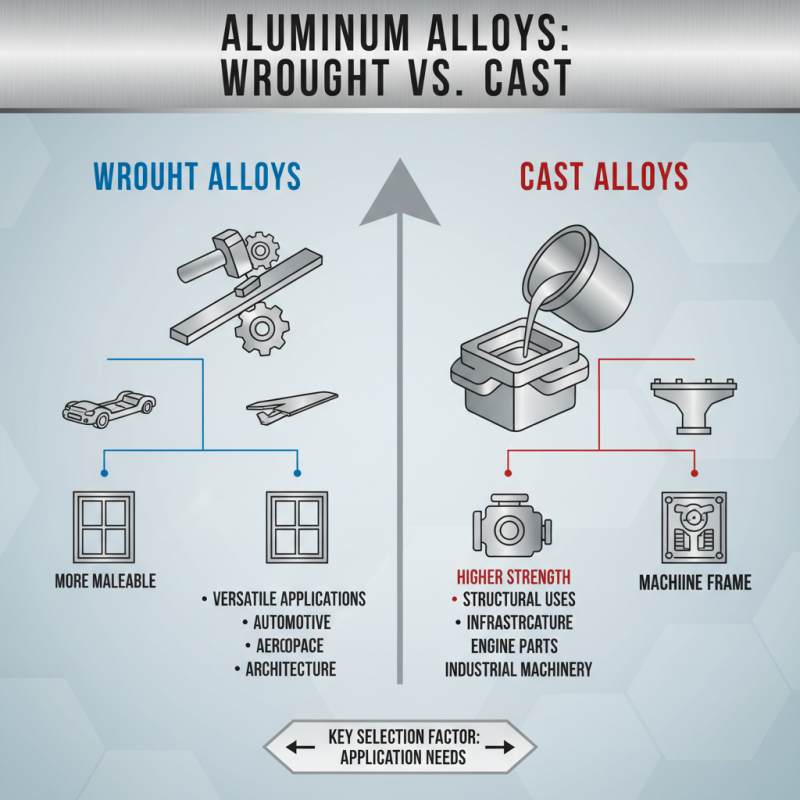
When selecting aluminum section profiles, understanding the different types of aluminum alloys is crucial. Aluminum alloys are categorized into two main groups: wrought and cast. Wrought alloys are typically more malleable, making them versatile for various applications. In contrast, cast alloys generally offer higher strength and are often used in structural settings.
Each alloy group contains subcategories that possess unique properties. For example, 6061 is a popular wrought alloy known for its excellent corrosion resistance and workability. However, it may not be suitable for extremely high-stress applications. On the other hand, 7075 is a high-strength wrought alloy, but its welding capabilities are limited.
Additionally, when evaluating alloys, consider factors like weight, strength, and resistance to elements. Choosing the right alloy often requires trade-offs. Sometimes, the more expensive option may not always be the best. Evaluating specific project needs is essential. Reflect on what is most important: strength, weight, or cost? Understanding these parameters can guide you to make a more informed decision.
Comparing Design Features and Structural Strength
When selecting aluminum section profiles, design features and structural strength are paramount. Different profiles aim for varying applications. Some are lightweight yet durable, while others offer maximum strength for heavy-duty tasks. Recognizing your requirements is key to making the right choice.
Structural strength plays a vital role in performance. Factors like load-bearing capacity and resistance to bending should guide your decision. For instance, square profiles often exhibit superior strength, while thin-walled options are easier to manipulate. However, a thinner profile might not always withstand heavy weights. Understand the trade-offs involved to avoid future issues.
Incorporating aesthetic elements is also important. Custom designs might enhance a project’s visual appeal, yet could compromise stability. Balancing form and function is essential. Seek advice from experienced professionals to refine your choices. Beware of the temptation to choose based solely on appearance. Prioritize efficiency and long-term reliability for the best outcomes.
Comparison of Aluminum Section Profiles: Design Features and Structural Strength
Selecting the Right Manufacturer and Supplier for Quality Profiles
When selecting the right manufacturer and supplier for aluminum section profiles, it is crucial to evaluate their expertise and reliability. A manufacturer's experience can often indicate the quality of their products. Look for companies that have been in the industry for several years. This experience usually reflects consistency in production and adherence to quality standards.
Investigate their production processes and certifications. High-quality profiles should adhere to recognized industry standards. Ask about their testing procedures. This ensures that their profiles meet durability and strength requirements. Additionally, consider their customer service approach. Responsive communication can significantly enhance your purchasing experience.
Nonetheless, not every supplier meets ideal standards. Some may lack attention to detail or experience delays in delivery. These challenges can negatively affect your projects. It's important to gather feedback from previous customers. Look for reviews that highlight both strengths and areas for improvement. This can help you avoid potential pitfalls and find a reliable partner for your aluminum profile needs.
How to Choose the Best Aluminum Section Profiles for Your Needs?
| Profile Type |
Dimensions (mm) |
Weight (kg/m) |
Application |
Finish Options |
| Square Tube |
25x25 |
1.5 |
Structural Framework |
Mill Finish, Anodized |
| Rectangular Tube |
40x20 |
1.8 |
Industrial Equipment |
Powder Coated, Anodized |
| Angle |
50x50 |
2.0 |
Bracing, Supports |
Mill Finish, Anodized |
| I Beam |
100x50 |
3.5 |
Construction |
Mill Finish, Powder Coated |
| Flat Bar |
10x100 |
0.5 |
General Fabrication |
Mill Finish, Anodized |