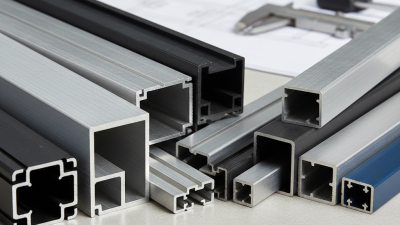
Why Choose Construction Aluminum Profiles for Your Projects?
When it comes to construction, choosing the right materials is crucial. "Construction Aluminum Profiles are not just lightweight; they enhance durability,” says John Smith, a leading expert in architectural design. His insights emphasize the growing preference for these profiles in modern projects.
Construction Aluminum Profiles offer remarkable flexibility. They can be customized to fit various designs and structures. This adaptability can make the process smoother and more efficient. However, the industry's rapid shift towards aluminum may overlook traditional materials' benefits. It's essential to consider both sides when planning a project.
Despite their advantages, challenges exist. Some may question the long-term sustainability of aluminum compared to other materials. Furthermore, sourcing quality profiles can be a daunting task. Engaging with trusted suppliers is necessary to ensure reliability. Ultimately, the decision should hinge on a balanced assessment of both options in construction.
Benefits of Using Aluminum Profiles in Construction Projects
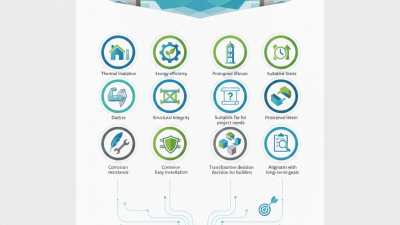
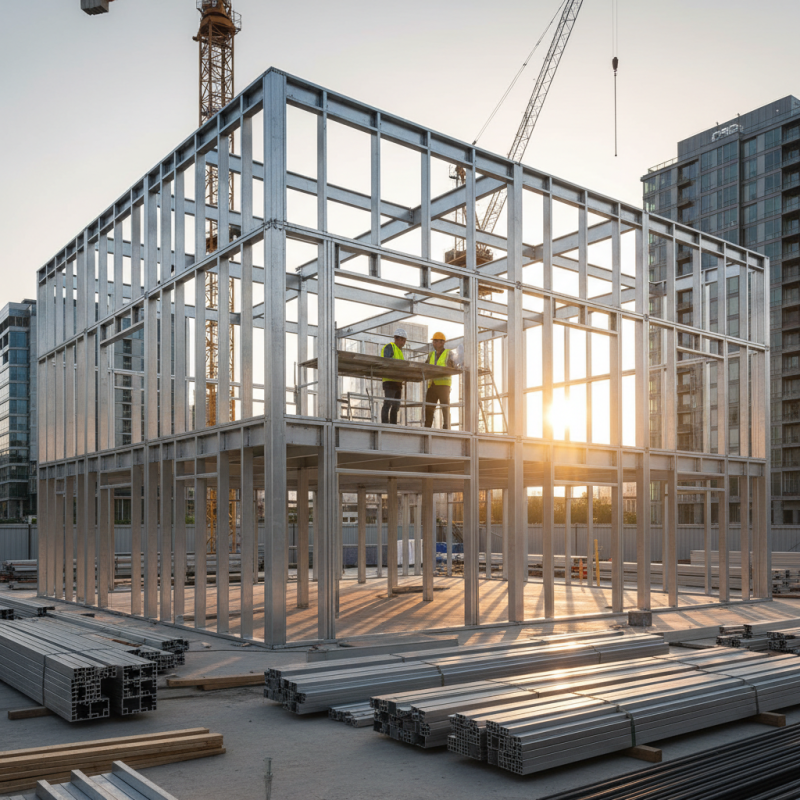
Aluminum profiles are gaining popularity in construction projects for several compelling reasons. They offer a lightweight solution, making transportation and installation easier. This can significantly reduce labor costs and time on site. The corrosion resistance of aluminum also ensures longevity in various climates, reducing maintenance efforts. Many builders appreciate its aesthetic appeal, often choosing sleek finishes that enhance modern designs.
The versatility of aluminum profiles is another key benefit. They can be shaped into various designs, allowing architects and engineers to explore creative possibilities. However, it is crucial to carefully assess the required strength and structural integrity for a specific project. While aluminum can be very strong, it may not be suitable for all applications.
Some may find initial costs higher than traditional materials. Yet, the long-term savings often offset this. It’s essential to evaluate both immediate and future needs when deciding on materials. Making informed choices requires experience and understanding of project demands. This complexity can lead to reflections on project goals and resource allocation. Thus, the benefits of aluminum profiles extend beyond immediate use, influencing design and function.
Advantages of Using Aluminum Profiles in Construction Projects
Durability and Strength of Aluminum in Building Applications
Aluminum is prized in construction for its exceptional durability and strength. This lightweight metal resists rust, corrosion, and extreme weather conditions. Projects that incorporate aluminum profiles benefit from long-lasting structures with minimal maintenance. The strength-to-weight ratio of aluminum is impressive. It provides stability without significantly increasing the weight of the overall structure. This property makes it ideal for both residential and commercial buildings.
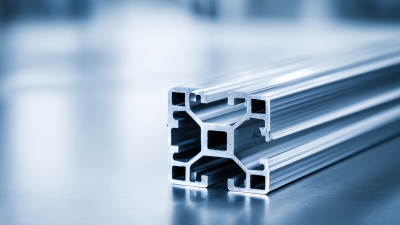
When considering aluminum for your project, it's important to think about design flexibility. Aluminum can be easily extruded into various shapes, allowing for innovative architectural designs. However, not all applications may require aluminum’s high strength. In some cases, opting for a different material could be more cost-effective. Assess your project needs carefully.
Tips: Always evaluate the expected load requirements before finalizing materials. Compare aluminum profiles with alternatives like steel. Think about the environmental impact of your choices. Aluminum is recyclable, but its production process can be energy-intensive. Balancing strength, cost, and sustainability is crucial for successful construction.
Cost-Effectiveness of Construction Aluminum Profiles
Cost-effectiveness is a key advantage of construction aluminum profiles. According to a report by the International Aluminum Institute, aluminum is one of the most economical materials in construction. Its lightweight nature leads to lower transportation costs. Projects can save significantly when using aluminum profiles.
Additionally, aluminum requires less maintenance compared to other materials. A study from the Aluminum Association indicates that buildings with aluminum features can reduce maintenance costs by up to 50%. Its durability also contributes to long-term savings. For projects aiming for budget efficiency, aluminum offers a great return on investment.
However, some challenges exist. The initial costs of aluminum profiles can be higher than alternatives like steel or wood. This can discourage some builders. Despite this, the long-term benefits often outweigh initial expenditures. Choosing aluminum for construction projects may require a shift in traditional thinking, emphasizing overall value rather than upfront costs.
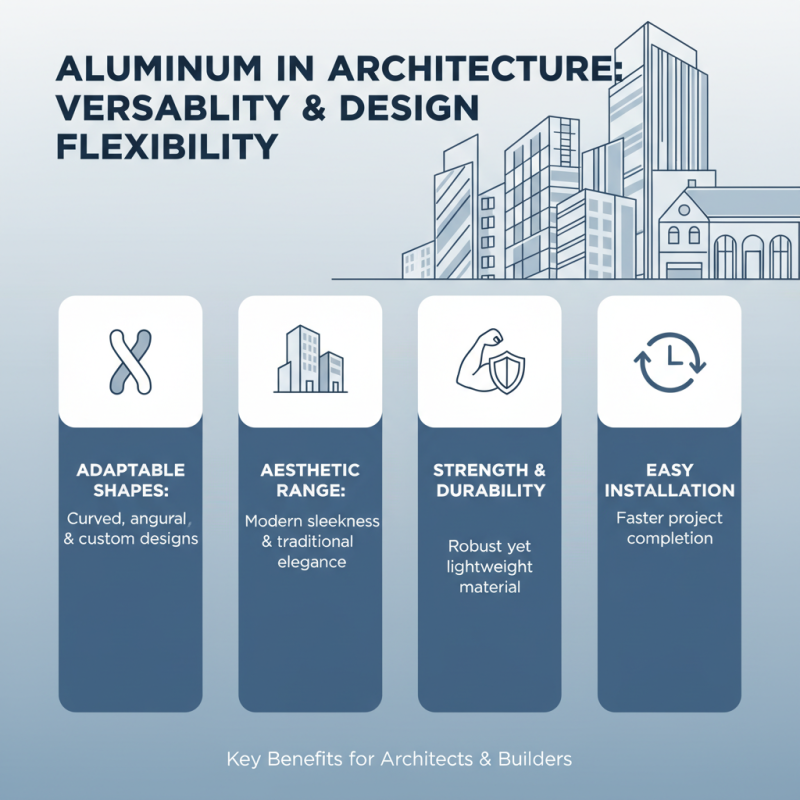
Versatility and Design Flexibility of Aluminum in Architecture
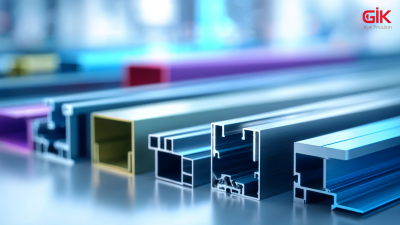
Aluminum profiles are becoming a go-to choice in architecture due to their versatility. They can be shaped into various designs, making them suitable for both modern and traditional structures. Architects appreciate how aluminum adapts to different aesthetics, providing a sleek look without sacrificing strength. The lightweight nature simplifies installation, allowing for quicker project turnaround times.
The flexibility of aluminum enables creative freedom. This metal can be extruded into complex forms, offering unique solutions for unique challenges. Its resilience against weathering keeps structures looking fresh over time. However, designers must weigh the balance between form and function. Sometimes, the pursuit of intricate designs can lead to structural weaknesses, which requires careful consideration.
Moreover, while aluminum is recyclable, its production can have environmental impacts. It’s essential to reflect on these aspects when choosing materials. Not every project requires aluminum as a primary choice, and discerning when to use it can lead to better outcomes. This thoughtfulness in material selection reflects a deeper commitment to sustainable architecture.
Environmental Impact and Sustainability of Aluminum Materials
Aluminum is becoming a preferred material in construction due to its environmental benefits. According to a 2021 report by the International Aluminum Institute, aluminum's recycling rate exceeds 75%. This means that most aluminum used in structures is recycled, significantly reducing waste. The process of recycling aluminum saves up to 95% of the energy compared to producing new aluminum from ore.
The sustainability of aluminum profiles extends beyond recycling. They possess a long lifecycle. Structures built with aluminum can last several decades, minimizing the need for replacement. The carbon footprint of aluminum, although initially high, drastically decreases over time due to lower energy use in maintenance and strength. However, its extraction still poses challenges. Bauxite mining, the primary source of aluminum, has environmental impacts that require serious consideration.
Builders often face the dilemma of balancing strength and sustainability. While aluminum offers durability, its production process can be energy-intensive. It’s essential for the industry to improve extraction methods. By investing in cleaner technologies, the overall environmental impact can be lessened. Sustainable building practices need to prioritize materials that not only meet technical requirements but also align with ecological goals.