Why Choose Wood Grain Aluminum Tube for Your Projects?
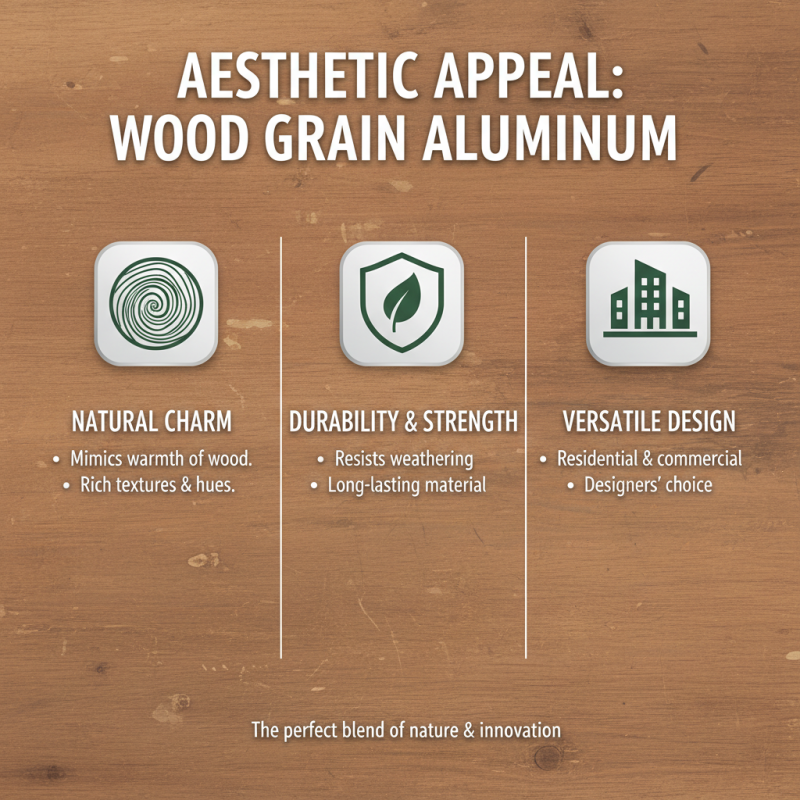
Choosing the right materials can significantly impact the outcome of your projects. Wood Grain Aluminum Tube has gained attention for its unique blend of aesthetics and durability. Industry expert James Whitaker states, "Wood Grain Aluminum Tube offers the beauty of wood with the strength of metal." This captures the essence of its appeal.
Imagine a railing that looks like oak but withstands the elements without warping. This is made possible with Wood Grain Aluminum Tube. It brings warmth and style to any design, making it perfect for both interior and exterior applications. However, some users may struggle to find the right suppliers or finish that meets their expectations.
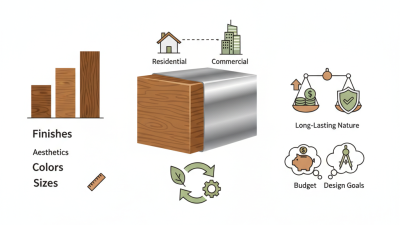
While Wood Grain Aluminum Tube is a fantastic choice, it’s essential to weigh your options carefully. Consider your project requirements, budget, and design vision. Doing so will help ensure you maximize the potential of this innovative material.
Benefits of Using Wood Grain Aluminum Tubes in Construction Projects
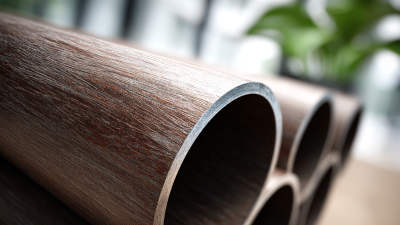
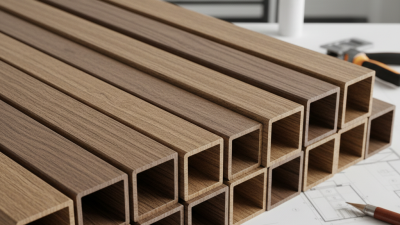
Wood grain aluminum tubes are increasingly popular in construction projects. They offer a blend of strength and aesthetic appeal. The wood grain finish provides a natural look, enhancing the overall design without sacrificing durability. It’s a great choice for both indoor and outdoor applications.
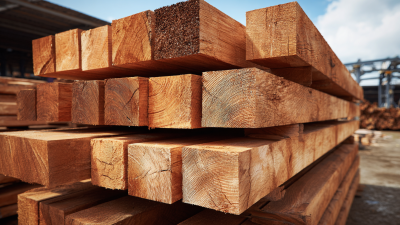
Using wood grain aluminum tubes can reduce maintenance efforts. Unlike natural wood, they resist weather damage and termites. This can lead to long-term cost savings for projects. However, their appearance may not suit every architectural style. It’s essential to consider the environment before making a decision.
Another benefit is their lightweight nature. This property makes installation easier and faster. Builders often appreciate this efficiency. However, some may perceive aluminum as less sturdy than traditional materials. Education on its advantages can help alleviate these concerns, promoting better project outcomes.
Benefits of Using Wood Grain Aluminum Tubes in Construction Projects
Durability and Maintenance Advantages of Aluminum Tubes
Wood grain aluminum tubes are gaining popularity in various projects due to their unique benefits. Their durability is one of the primary advantages. Unlike traditional materials, aluminum does not rust. This makes it suitable for outdoor applications. Wood grain finishes add an aesthetic appeal without sacrificing the benefits of aluminum. These tubes can withstand harsh weather conditions and require minimal upkeep.
When considering maintenance, aluminum tubes are relatively easy to clean. A simple wash with soap and water does the trick. Regular upkeep can extend their lifespan. It’s essential to check for any scratches or dents, as these can lead to potential issues down the line.
Tips: Always store aluminum tubes in a dry place to prevent moisture-related problems. Regular inspections can save future repair costs. While these tubes are robust, they are not invincible. Be mindful of their handling during installation. Small care can lead to long-lasting results.
Sustainability Considerations in Using Aluminum Over Traditional Materials
In recent years, sustainability has emerged as a crucial consideration in material selection for projects. Aluminum, particularly wood grain aluminum tube, stands out due to its environmentally friendly properties. Unlike traditional materials such as wood, aluminum requires less energy to produce. This results in a lower carbon footprint, making it a more sustainable option. The durability of aluminum also means that products made from it last longer, reducing the need for frequent replacements.
Choosing wood grain aluminum tubes offers an aesthetic appeal similar to natural wood. However, it does not involve deforestation. By opting for aluminum, projects can maintain a modern look without contributing to environmental degradation. Additionally, aluminum is recyclable. At the end of its life cycle, it can be reprocessed, minimizing waste. This feature is a game-changer in promoting a circular economy, ensuring that resources are reused rather than discarded.
Despite these advantages, there are challenges. The manufacturing process still has some environmental impacts. Understanding these nuances is essential to making informed decisions. Striving for a balance between aesthetics and sustainability can sometimes feel contradictory. However, exploring options is crucial for responsible material choices. The key lies in assessing both the benefits and the drawbacks of each option.
Applications of Wood Grain Aluminum Tubes in Various Industries
Wood grain aluminum tubes have become a popular choice in various industries due to their unique blend of aesthetics and functionality. In the construction field, these tubes mimic the appearance of natural wood while maintaining the durability and weather resistance of aluminum. This makes them ideal for outdoor applications, such as railings and signage. Their lightweight nature simplifies installation, providing an effective use case for both residential and commercial projects.
In the furniture industry, wood grain aluminum tubes are increasingly used in modern design. They contribute an elegant touch to products, such as chairs and tables, while ensuring structural integrity. The seamless combination of style and strength satisfies both designers and consumers. In automotive applications, these tubes can add visual appeal without sacrificing performance.
However, not every project may benefit from using wood grain finishes. Sometimes, more traditional materials may better serve specific design intents or budget constraints.