How to Choose the Right Aluminum Handrail Section Profile?
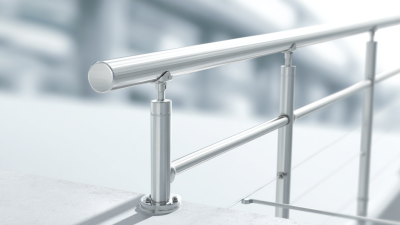
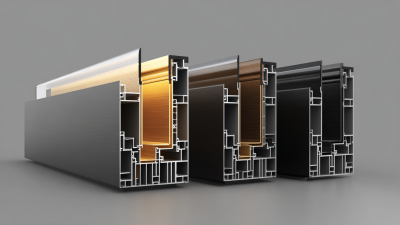
Choosing the right Aluminum Handrail Section Profile is crucial for safety and aesthetics. Aluminum handrails are a popular choice due to their durability and corrosion resistance. According to industry reports, the global aluminum railing market is expected to grow by 7% annually. This growth highlights the increasing demand for high-quality railings.
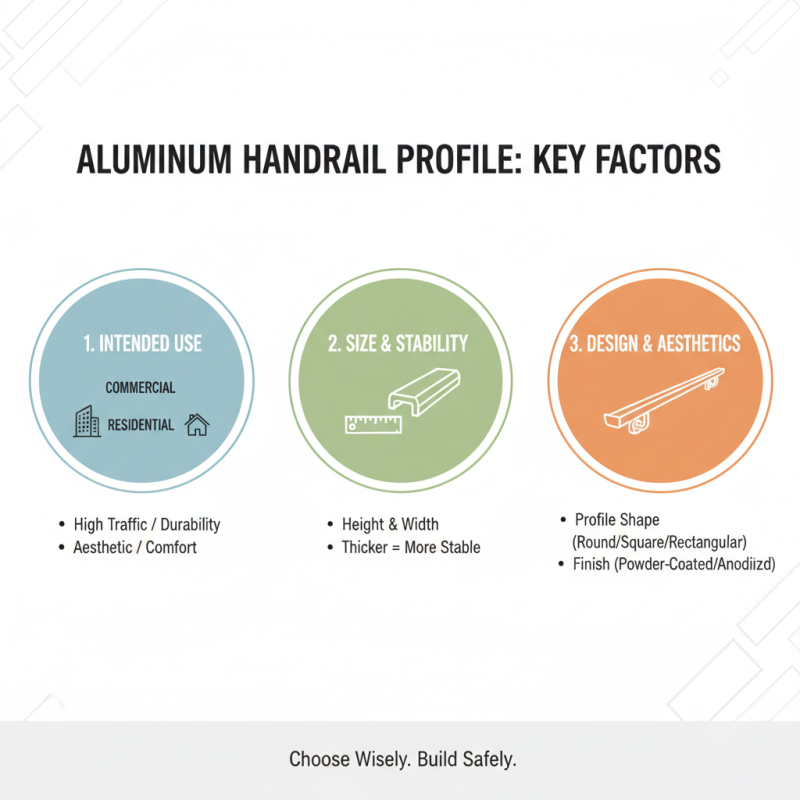
When selecting an Aluminum Handrail Section Profile, several factors must be considered. The right profile impacts not just appearance but also safety. Profiles that are too narrow can compromise structural integrity. On the other hand, oversizing profiles may lead to increased cost without added benefits. It's vital to strike a balance based on specific project needs.
Additionally, craftsmanship and installation are vital considerations. Improper installation can negate the benefits of a well-chosen profile. Therefore, working with experienced professionals is essential. As the market evolves, it's important to reflect on choices made during the selection process. There is always room for improvement and reassessment in pursuit of the best handrail solution.
Understanding the Different Types of Aluminum Handrail Section Profiles
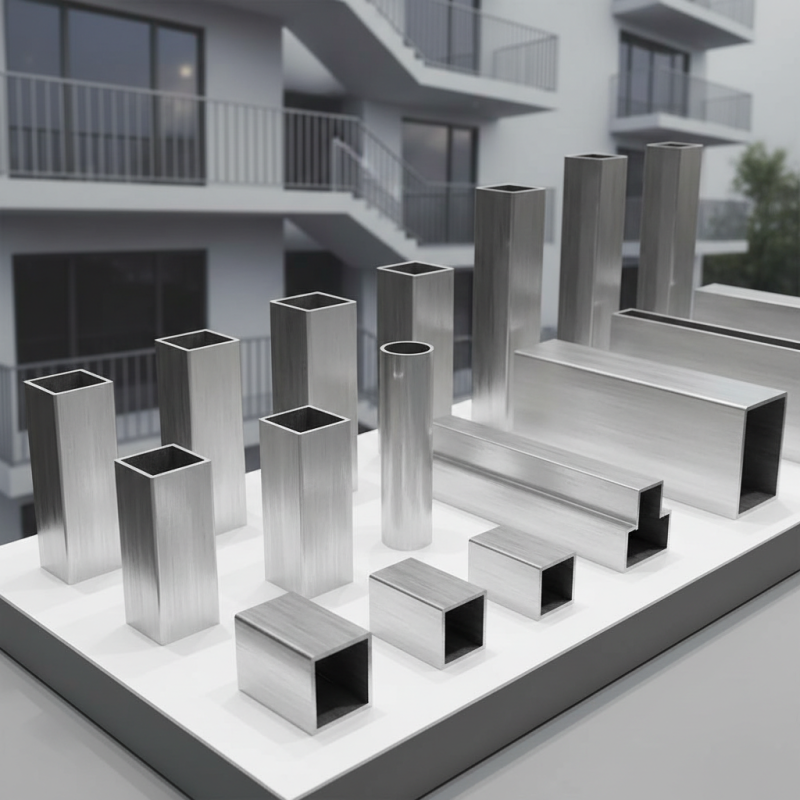
When selecting an aluminum handrail section profile, understanding the options available is crucial. Aluminum railings come in various shapes and sizes. Each profile has distinct advantages and limitations. For instance, U-shaped profiles offer strong support. This makes them popular for both residential and commercial spaces. However, they may not fit every aesthetic preference.
Consider the L-shaped profiles as another option. They are excellent for corners and edges. This profile can blend seamlessly with different architectural styles. Yet, their installation may require precise measurements. Sometimes, people overlook this detail, which can lead to uneven railings. On the other hand, flat railings provide a sleek look. They are easy to maintain, but they might not provide enough grip for safety.
Evaluating how each profile complements your space is essential. Think about the environment as well. Coastal areas may require more corrosion-resistant profiles. This is often an afterthought, but it shouldn’t be. Finally, reflect on the balance between form and function. It’s easy to get caught up in appearances yet forget practical aspects like durability.
Aluminum Handrail Section Profiles: A Comparison
This chart illustrates the popularity of different types of aluminum handrail section profiles based on user preferences. The flat bar and round tube profiles are the most favored, while lattice and U-channel profiles have a smaller share of preferences.
Evaluating Strength and Durability in Aluminum Handrail Profiles
When selecting an aluminum handrail profile, strength and durability are paramount.
Aluminum has a high strength-to-weight ratio. According to industry studies, structural aluminum can exhibit tensile strength ranging from
34,000 to 60,000 psi. This means that a well-designed profile can withstand significant loads without deforming. However, not all aluminum is created equal. It’s crucial to evaluate the alloy used, as different alloys offer different levels of strength and corrosion resistance.
Durability is also a key factor. Reports show that well-fabricated aluminum can last over 30 years without significant degradation. Environmental factors play a big role in durability. For example, in coastal areas, aluminum can corrode due to salt exposure. Thus, some coatings and finishes become necessary to enhance resistance. It’s important to consider long-term lifespan and maintenance. Choose profiles that not only meet current standards but also anticipate future needs.
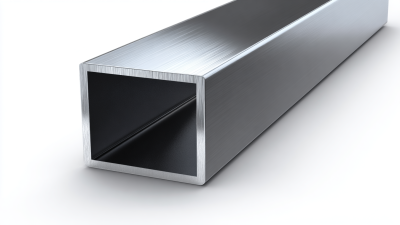
Additionally, consider the impact of design on overall strength. Profile shapes such as rectangular tubes often outperform others in bending strength. Yet, the aesthetic appeal of a profile should not compromise its performance. Evaluating the right balance between style and structural integrity is critical, yet often overlooked in the selection process. Without proper understanding, choices may lead to regret later on.
Aesthetic Features and Customization Options for Aluminum Handrails
Choosing the right aluminum handrail profile involves more than just function. Aesthetic features play a crucial role in enhancing the overall look of your space. Aluminum handrails can be customized in various finishes and styles. According to industry reports, over 70% of consumers prioritize design when selecting handrails. This means that your choice should reflect your personal taste and the architecture of your building.
Customization options for aluminum handrails are vast. They can be powder-coated, anodized, or even painted to match your design palette. One report found that tailored designs increase client satisfaction by nearly 60%. Unique details, such as decorative caps or integrated lighting, can elevate an ordinary handrail into a stunning feature. However, it’s important to consider functionality and safety alongside aesthetics. A beautiful handrail should still meet safety standards.
Sometimes, customization can lead to challenges. Not every design might meet structural requirements. It’s essential to reflect on practicality when choosing shapes and profiles. Overlooking functionality could compromise safety. Additionally, manufacturers may have limitations on customization. It’s a delicate balance between what looks good and what works effectively.
How to Choose the Right Aluminum Handrail Section Profile?
| Profile Type |
Aesthetic Features |
Customization Options |
Common Applications |
| Round |
Sleek and contemporary look |
Various finishes (anodized, powder coat) |
Residential and commercial staircases |
| Square |
Modern aesthetic appeal |
Custom sizes and colors |
Balconies and decks |
| Flat |
Minimalistic and elegant |
Textured finishes available |
Commercial buildings, ramps |
| L-Shaped |
Stylish with angular design |
Multiple angle options |
Corner applications, staircases |
Cost-Effectiveness and Installation Factors for Aluminum Handrail Systems
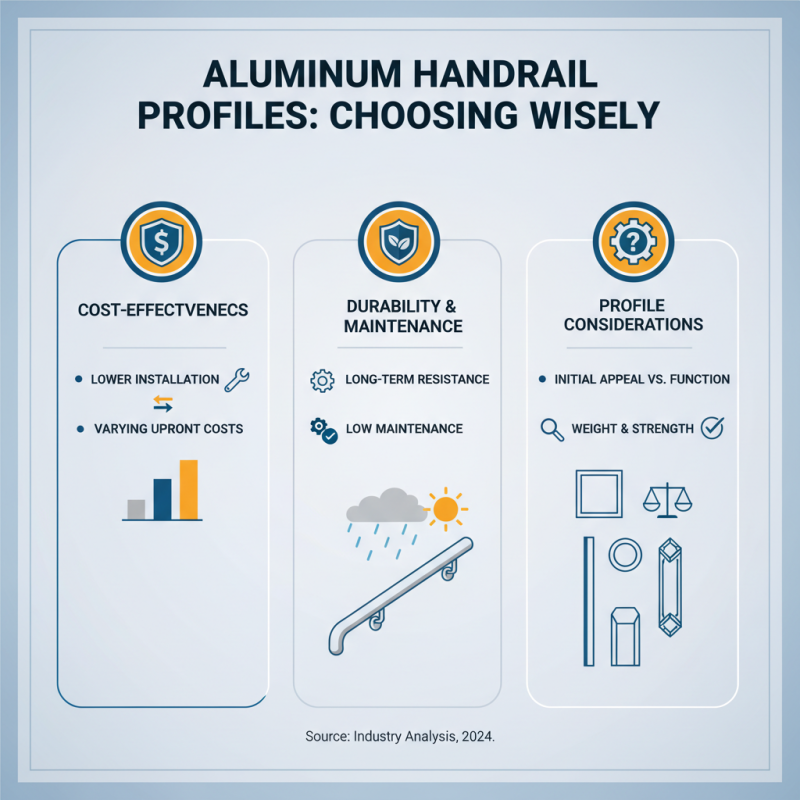
Choosing the right aluminum handrail section profile requires careful consideration. Cost-effectiveness is crucial for many projects. Aluminum is generally lightweight and cheaper to install than other materials. However, upfront costs vary greatly. Some profiles may seem attractive at first. Yet, the long-term durability and maintenance are vital factors to consider.
Installation can also impact your budget. Simplicity in design can lead to lower labor costs. More intricate designs may require skilled labor, increasing expenses. Additionally, ensure that the chosen profile complies with local regulations. Overlooking this can lead to unexpected fines.
It’s essential to strike a balance between design aesthetics and practical considerations. Sometimes, the most visually appealing designs may not always be the most economical or easy to install. Reflect on your project's specific needs and constraints before finalizing a decision. This thoughtful approach can save both time and money in the long run.