How to Choose the Best Aluminium Extrusion Supplier?
Choosing the best aluminium extrusion supplier is critical for businesses aiming for efficiency and quality. According to a recent report by the Aluminium Association, the global demand for aluminium extrusions is set to grow by over 4% annually until 2025. This rise underscores the necessity of selecting a supplier that not only meets quality standards but also aligns with your project needs.
Expert insights from Dr. Angela Stevens, a noted authority in the aluminium extrusion field, emphasize this point: "The right supplier can make or break the success of your project." It highlights the significance of evaluating suppliers thoroughly. Not every supplier offers the same level of expertise or innovation. Factors such as material quality, delivery times, and customer service significantly influence the decision.
As you assess potential suppliers, consider their experience and reliability. Not all aluminium extrusion suppliers have equal capabilities. Some may lack the certifications needed for specific applications. Reflecting on past partnerships can also provide valuable lessons. An informed choice requires both research and a critical approach to evaluating options in this vital industry.

Understanding the Importance of Choosing the Right Aluminium Extrusion Supplier
Choosing the right aluminium extrusion supplier is vital for any manufacturing project. The supplier's capabilities can influence product quality, delivery, and cost. In 2021, the global aluminium extrusion market was valued at approximately $30 billion, and analysts project significant growth. This means potential suppliers are numerous, yet not all can meet project-specific needs.
A solid supplier should demonstrate industry expertise. Look for certifications and past projects that reflect their reliability. According to a report by MarketsandMarkets, 30% of project failures stem from poor supplier choices. If a supplier cannot deliver on time, it may lead to delays in your production line. This risk emphasizes the need for thorough evaluations.
Evaluating suppliers requires meticulous attention. It's essential to check their technology capabilities and customization options. You might find that some excel in standard profiles but struggle with complex designs. This mismatch could impact your project’s success. Engaging in direct communication can help reveal their strengths and weaknesses. Remember, the goal is to ensure they align with your specific requirements. Identifying these factors can ultimately enhance your project's efficiency and quality.
Key Factors to Evaluate When Selecting an Aluminium Extrusion Supplier
Choosing the right aluminium extrusion supplier can greatly impact your projects. Here are key factors to evaluate.
Quality is fundamental. Look for suppliers that adhere to strict quality control measures. Certifications can indicate a commitment to quality. Ask for samples to assess the finish and precision of the extrusions. Don't hesitate to visit their facilities if possible. Observing their processes firsthand can provide valuable insights.
Cost is often a primary consideration. However, the cheapest option may not always be the best. Balance your budget with the quality of materials offered. Sometimes, investing a bit more can lead to significant long-term savings.
Another important factor is customer support. A reliable supplier should provide excellent communication. They should be responsive to your inquiries and concerns. Delays can be costly. Establishing clear lines of communication can mitigate potential issues.
Tips: Always check reviews and testimonials from other clients. This can reveal the supplier's reliability. Consider forming a partnership with the supplier. A strong relationship can improve service and quality over time.
Assessing Quality Standards and Certifications of Potential Suppliers
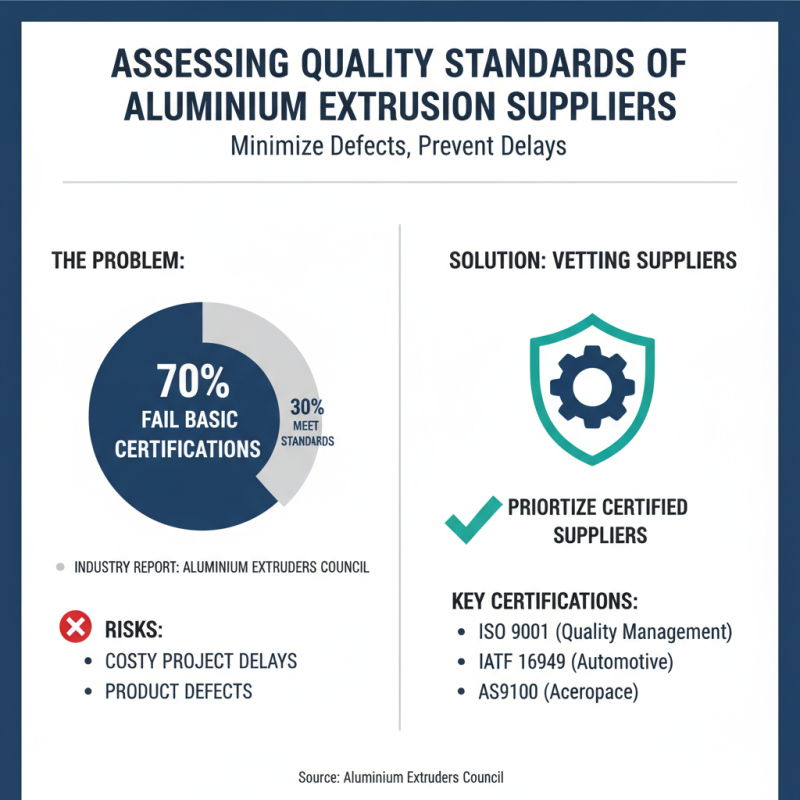
When selecting an aluminium extrusion supplier, quality standards are crucial. An industry report by the Aluminium Extruders Council shows that 70% of suppliers fail to meet basic quality certifications. This statistic raises concerns about defects, which can lead to costly project delays.
Certifications like ISO 9001 or ASTM B221 indicate a supplier's commitment to quality management and standards. A supplier holding these certifications demonstrates reliability. For example, a study revealed that companies working with certified suppliers experienced a 25% reduction in material defects. This suggests that prioritizing certified suppliers can enhance overall project efficiency.
Moreover, potential suppliers should provide detailed documentation on their quality control processes. It's not enough to claim compliance; empirical evidence is necessary. Ask for recent audits or inspection reports. Doing this reflects due diligence and fosters trust. Failure to request such documentation may result in costly mistakes down the line. Hence, the onus is on the buyer to verify claims.
Exploring Supplier Capabilities: Production Capacity and Delivery Timelines
When selecting an aluminium extrusion supplier, assessing their production capacity and delivery timelines is crucial. According to industry reports, suppliers with high-capacity production facilities can handle larger orders, ensuring consistency and reliability. For instance, manufacturers with capacities above 10,000 tons annually often demonstrate better economies of scale. They’re equipped to meet urgent demands more efficiently.
Delivery timelines play a significant role in your supply chain. Data from recent studies indicate that 70% of manufacturers expect a lead time of two weeks or less for standard extrusions. Choosing a supplier that can consistently meet or exceed these expectations can enhance your operational efficiency. Look for suppliers offering clear communication regarding their timelines. This transparency reduces potential delays.
**Tip:** Always request a detailed production and delivery schedule. Review their past performance metrics to understand their reliability better.
Additionally, consider the supplier's ability to scale production. As your business grows, you may need increased volume. Suppliers who can adjust their capacity quickly show agility in manufacturing. This flexibility can be a game-changer in fast-paced markets.
**Tip:** Perform a capacity audit to evaluate potential suppliers thoroughly. This ensures they can meet your future demands sustainably.
Aluminium Extrusion Supplier Comparison
This chart compares the production capacity and delivery timelines of various aluminium extrusion suppliers based on hypothetical data. The production capacity is represented in tonnes per month, while the delivery timeline is measured in weeks. This helps in assessing which supplier would meet manufacturing needs effectively.
Evaluating Customer Support and Communication Practices of Suppliers
When selecting an aluminium extrusion supplier, customer support is crucial. It's not just about the product quality; it's about how well the supplier communicates. A reliable supplier should offer easy access to representatives who can address inquiries and concerns promptly. This responsiveness can often indicate the level of importance they place on client relationships.
Consider the modes of communication available. Do they use phone, email, or live chat? Each option has its benefits. A good supplier will offer various channels. This flexibility caters to different preferences. Slow responses or unclear answers can lead to frustration. It's essential to gauge their communication style during early interactions.
Evaluate their willingness to provide additional support, like technical advice. A knowledgeable team can significantly enhance your project. They should understand complex requirements and offer practical solutions. Moreover, don’t hesitate to ask for references. Hearing from other clients can shed light on their support quality. Finding a supplier with a consistent commitment to customer care can make a substantial difference in your project's success.