How to Choose the Best Thermal Break Aluminium Profiles?
Choosing the right Thermal Break Aluminium Profiles can significantly impact energy efficiency in buildings. In recent years, the global demand for energy-efficient materials has increased by over 25%. Architects and builders are increasingly recognizing the importance of thermal performance. Aluminium profiles with effective thermal breaks can reduce thermal bridging, leading to lower heating and cooling costs.
Research indicates that buildings designed with Thermal Break Aluminium Profiles can achieve energy savings of up to 30%. This statistic underscores their value in contemporary construction. However, not all profiles are created equal. Selecting the right products requires understanding different construction needs and climatic conditions. Factors such as insulation performance and material durability play essential roles in this decision-making process.
Despite the wealth of available options, many industry professionals find the selection challenging. Inconsistent quality and unverified performance claims can lead to mistakes. It is crucial to consult reliable sources and seek recommendations from experienced experts. Proper due diligence ensures that the chosen Thermal Break Aluminium Profiles meet both safety standards and client expectations.

Understanding Thermal Break Aluminium Profiles and Their Importance
Thermal break aluminium profiles are crucial in modern construction. They help reduce thermal bridging, improving energy efficiency. According to the International Energy Agency, buildings account for 36% of global energy use. This highlights the importance of using materials that enhance thermal performance.
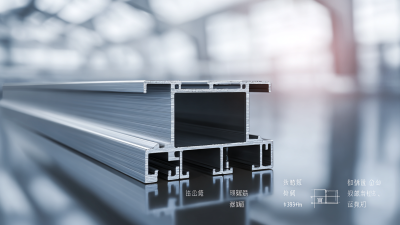
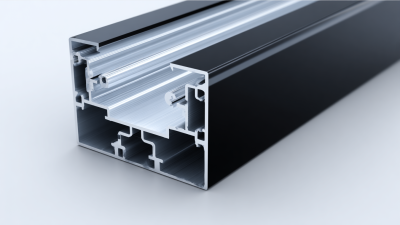
Understanding thermal break technology is vital. These profiles often include a polymer barrier that separates the exterior and interior metal. This separation minimizes heat transfer. A study by the Centre for Advanced Materials revealed that buildings using thermal break profiles can achieve up to 30% better insulation. This is significant for both energy savings and environmental impact.
However, not all thermal break profiles are created equal. Some products may have varying degrees of performance. Proper installation and quality control are essential for achieving optimal energy efficiency. It’s necessary to question the standards used in manufacturing. Transparency in testing and certification is vital for ensuring reliability.
How to Choose the Best Thermal Break Aluminium Profiles?
| Profile Type |
Thermal Conductivity (W/m·K) |
Weight (kg/m) |
Maximum Width (mm) |
Customization Options |
| Standard Thermal Break |
2.5 |
1.5 |
150 |
Yes |
| High Performance Thermal Break |
1.8 |
2.0 |
200 |
Yes |
| Architectural Series Thermal Break |
2.0 |
2.5 |
250 |
Yes |
| Economical Thermal Break |
2.8 |
1.3 |
120 |
Limited |
Factors to Consider When Selecting Thermal Break Aluminium Profiles
When choosing thermal break aluminium profiles, several factors are crucial to ensure optimal performance. One important aspect is the design of the profile itself. A well-designed thermal break can significantly reduce heat transfer. Look for profiles that provide superior insulation properties.
Another key factor is the quality of materials used in the profiles. Not all aluminium is the same. High-grade aluminium is essential for durability and energy efficiency. A thicker thermal break can also enhance insulation. However, be aware that thicker profiles may increase construction costs.
Installation is another area requiring careful thought. Proper installation can prevent thermal bridging and improve energy efficiency. If profiles are not installed correctly, they may not deliver expected benefits. It’s crucial to consult industry experts. Their insights can help avoid common pitfalls and guide you to the best choices for your projects.
Comparing Different Types of Thermal Break Aluminium Profiles
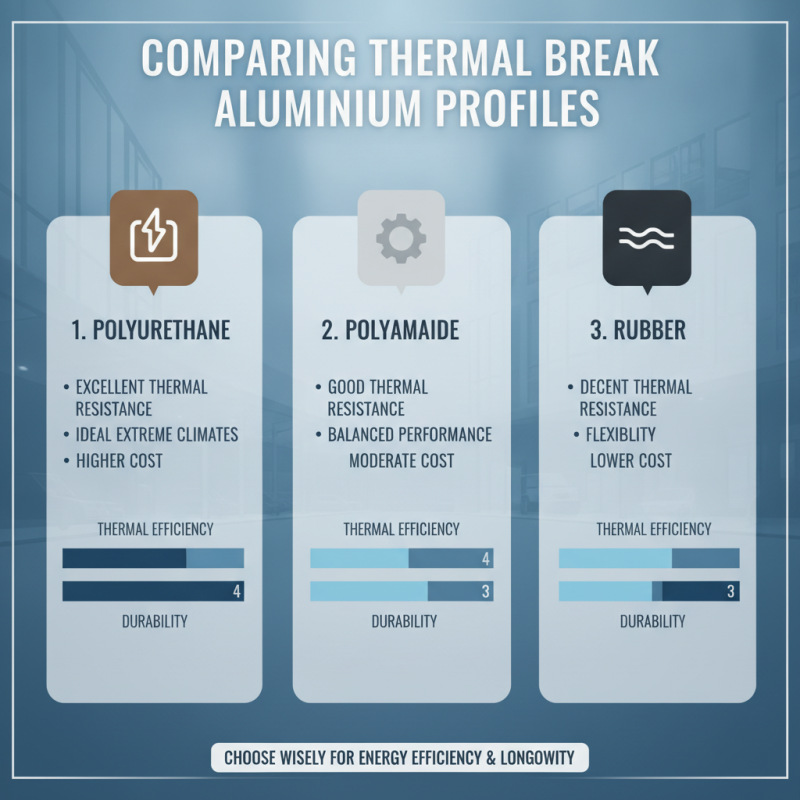
When selecting thermal break aluminium profiles, various types can influence energy efficiency and durability. The most common types include polyurethane, polyamide, and rubber. Polyurethane profiles provide excellent thermal resistance. They are ideal for climates with extreme temperatures. However, they can be more expensive than other options.
Polyamide profiles are another strong contender. They balance performance and cost effectively. These profiles offer good insulation and are widely used in commercial applications. However, their long-term reliability can vary based on environmental conditions. Rubber thermal breaks are affordable but may not offer the same level of thermal protection.
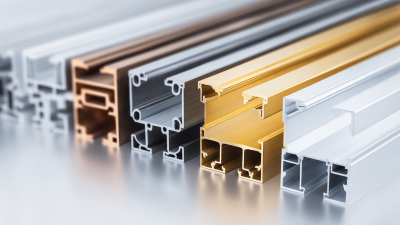
Consider aesthetic factors too. Some profiles allow for sleek designs, enhancing a building’s appeal. Durability is another key aspect. The right choice should withstand weathering and mechanical stress. Evaluating these factors can lead to more sustainable decisions. It's worthwhile to think about potential maintenance needs over time as well. Choosing the best thermal break profile involves weighing both immediate costs and long-term benefits.
Evaluating the Performance and Energy Efficiency of Profiles
When choosing thermal break aluminum profiles, it's crucial to evaluate their performance and energy efficiency. According to industry data, up to 30% of energy loss in buildings can occur through windows and doors. Selecting high-quality thermal break profiles can significantly reduce this energy loss and improve overall comfort.
Profiles with better insulation properties typically have a thermal transmittance (U-value) below 1.6 W/m²K. This means that they can effectively minimize heat transfer, thus lowering heating and cooling costs. Moreover, profiles that meet Energy Star standards ensure higher energy efficiency, contributing to reduced environmental impact.
Tip: Look for profiles with non-conductive materials in the thermal break. This increases insulation and reduces thermal bridging.
While there are many options available, not all profiles are created equal. Some may excel in insulation but compromise on structural integrity. Evaluating performance through independent testing can reveal critical insights. Check for certifications from recognized institutions to ensure reliability.
Tip: Ask for performance data when comparing profiles. Transparency from manufacturers is a sign of quality.
Thermal Break Aluminium Profiles Performance and Energy Efficiency Comparison
Key Manufacturers and Brands of Thermal Break Aluminium Profiles
When selecting thermal break aluminium profiles, understanding the key manufacturers and brands is crucial. The market is expected to grow significantly, with a projected increase of 5.5% annually through 2028. This growth is driven by the rising demand for energy-efficient and sustainable building materials. A robust thermal break profile can significantly enhance energy efficiency, reducing energy consumption by up to 40% in buildings.
Several key manufacturers dominate the market. They provide a range of high-quality thermal break solutions. The emphasis on innovation and sustainability has pushed these companies to focus on developing products that meet or exceed industry standards. Reports indicate that profiles with a width of at least 24mm tend to offer better insulation performance. Many leading brands have made strides in improving design flexibility while maintaining thermal performance, indicating a responsiveness to evolving architectural trends.
While many reputable manufacturers offer reliable profiles, not all meet specific project requirements. It is vital to assess the product specifications, including thermal transmittance values and structural integrity. Some products may claim high performance, but real-world testing may reveal discrepancies. Maintaining a critical perspective is essential when evaluating options in this competitive market.