How to Choose the Best Thermal Break Aluminum Profile?
Choosing the right Thermal Break Aluminum Profile is crucial for effective energy efficiency in buildings. These profiles play a significant role in insulating structures, reducing heat transfer. When selecting one, consider the materials' quality, thermal performance, and design adaptability.
Different manufacturers offer a range of options. It can be overwhelming to navigate these choices. An informed decision can impact long-term savings and sustainability. Look for profiles with proven reliability and positive user feedback. Always check for certifications that demonstrate quality standards.
Inexperience in choosing the right profile can lead to subpar performance. It's essential to reflect on specific project needs. Assess how climate conditions affect your selection. With thoughtful consideration, you can ensure that your Thermal Break Aluminum Profile effectively minimizes energy loss and enhances building integrity.
Understanding Thermal Break Aluminum Profiles and Their Importance
Understanding Thermal Break Aluminum Profiles and Their Importance
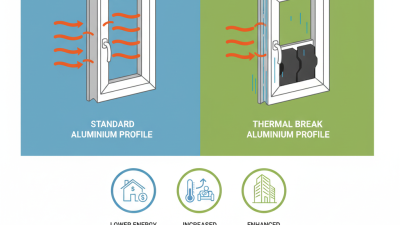
Thermal break aluminum profiles play a crucial role in energy efficiency. These profiles help reduce heat transfer, which can lead to significant energy savings. According to the U.S. Department of Energy, using thermal break aluminum can reduce heating and cooling costs by up to 30%. This reduction is essential for both residential and commercial buildings.
When selecting a thermal break aluminum profile, consider the insulation performance. Profiles with better thermal breaks can significantly improve overall energy efficiency. Key metrics to look for include the thermal transmittance (U-value) and condensation resistance. A lower U-value indicates better insulation. It is also vital to ensure that the profile meets local building codes and standards for energy efficiency.
Tips: Always consult with a structural engineer during your selection process. They can provide insights specific to your building's needs. Regular maintenance also matters. Inspect the profiles for any signs of wear or failure, as this can affect performance over time.
Key Factors to Consider When Selecting Thermal Break Aluminum Profiles
When selecting thermal break aluminum profiles, several key factors warrant attention. The most critical consideration is thermal performance. Profiles with superior insulation can significantly reduce energy consumption. Look for products tested under industry-standard conditions to ensure reliability.
Another important aspect is the profile's structural integrity. It’s vital that the aluminum used can withstand environmental stresses. Opt for designs that offer both strength and flexibility. Assess the thickness and overall construction, as these features can impact durability.
Tips: Always verify certifications. Profiles should meet specific performance standards. Consult with professionals to gain insights on material properties. Pay attention to the aesthetic aspect as well; the right finish can enhance visual appeal.
Lastly, consider the installation process. A complicated profile might lead to higher labor costs. Understand how the profile integrates with existing systems. Each project has unique demands that should reflect in your choice. Reflect on these elements to make informed decisions.
Comparing Different Types of Thermal Break Aluminum Profiles
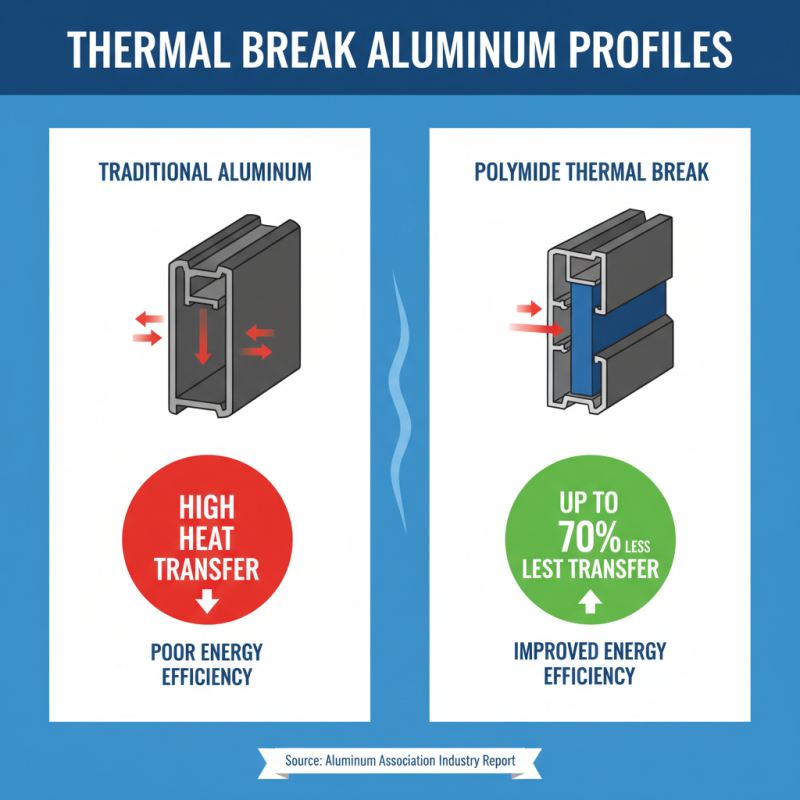
When selecting thermal break aluminum profiles, it's crucial to compare the options available. One significant factor to consider is the thermal efficiency. According to a recent industry report by the Aluminum Association, profiles with a polyamide thermal break can reduce heat transfer by up to 70%. This level of insulation helps maintain indoor temperatures, improving energy efficiency.
Another factor to weigh is the structural integrity of various profiles. Profiles with a greater depth tend to offer improved strength and resistance to bending. Experts have noted that deeper profiles can withstand up to 40% more wind load. However, they also may come with an increased cost and weight, which could affect installation.
Aesthetic versatility is often overlooked. Different thermal break profiles can cater to diverse architectural styles. Profiles with sleek lines can enhance modern designs, while those with more ornamental finishes suit traditional structures. Even so, the choice can sometimes lead to compromises between functionality and appearance. Balancing these aspects is crucial for any project, leading to careful consideration of both performance and design.
Evaluating Performance and Energy Efficiency Ratings
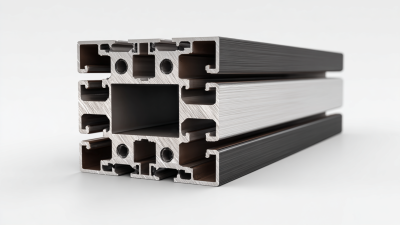
Choosing the best thermal break aluminum profile is essential for ensuring high energy efficiency in buildings. Evaluating performance involves looking at the thermal transmittance (U-value). Reports indicate that a lower U-value signifies better insulating properties. Profiles with U-values below 1.5 W/m²K are considered efficient. Always check if thermal break materials meet the required standards.
Tips: Look for profiles with multiple air chambers. This design enhances insulation.
Energy efficiency ratings are crucial when comparing different profiles. Higher ratings often correlate with reduced energy costs. According to industry studies, buildings using high-performance thermal break profiles can save up to 30% on heating and cooling expenses annually.
Consider the environmental impact as well. Not all profiles are made equally. Some might have a larger carbon footprint due to manufacturing processes. Researching certifications like LEED can guide you to more sustainable options.
Tips: Verify claims with third-party testing. Solid data strengthens your decision-making process.
Tips for Sourcing Quality Thermal Break Aluminum Profiles
When sourcing quality thermal break aluminum profiles, it’s essential to establish clear criteria for evaluation. Consider the material properties first. High-quality aluminum must resist corrosion, ensuring longevity. Look for profiles that specify thermal insulation performance. Energy efficiency is critical for modern construction. Poor insulation can lead to higher energy costs.
Engage with manufacturers directly. Ask about their production processes and quality assurance measures. A reputable supplier will be transparent and willing to share their standards. Investigate their certifications as well. Compliance with industry standards indicates reliability. Keep in mind, however, that not all certifications guarantee performance.
Examine customer reviews and case studies. Real-world applications can reveal insights into the product’s performance. Be cautious of overly positive feedback; it may lack depth. Speak to previous customers if possible. Their experiences can highlight both strengths and vulnerabilities in the profiles. Remember, the selection process is not always straightforward. Taking the time to research can lead to better outcomes.