How to Choose Insulated Aluminium Extrusion for Your Projects?
In the realm of construction and manufacturing, the choice of materials plays a pivotal role in project success. One such material gaining recognition is "Insulated Aluminium Extrusion." These profiles not only provide excellent thermal insulation properties but also enhance the overall structural integrity. According to industry reports, energy-efficient building components could reduce energy consumption by up to 40%.
When selecting insulated aluminium extrusion, it's crucial to consider various factors. The thermal performance, durability, and cost-effectiveness are paramount. Studies show that structures using insulated aluminum can achieve significant energy savings compared to traditional materials. This illustrates the importance of informed decisions in material selection.
However, not every insulated aluminium extrusion is created equal. Variations in design and insulation technology can affect performance. It's important to analyze specific project requirements and understand the trade-offs involved. With sound knowledge and careful consideration, choosing the right insulated aluminium extrusion can lead to enhanced efficiency and sustainability in your projects.
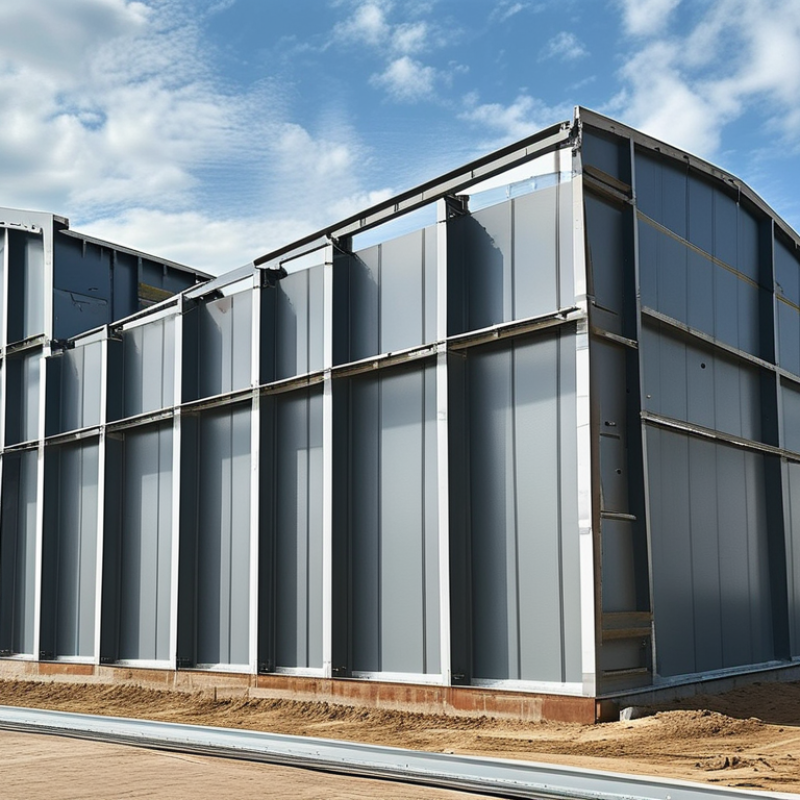
Understanding Insulated Aluminium Extrusion and Its Applications
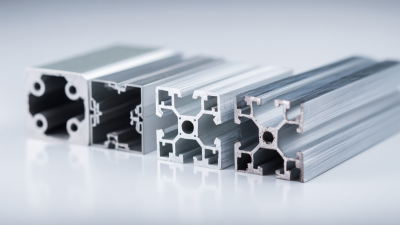
Insulated aluminium extrusions are essential components in modern construction and manufacturing. They provide thermal insulation, enhancing energy efficiency in buildings. This material is widely used in windows, doors, and façades. It helps to reduce heat transfer, keeping interiors comfortable. The design is versatile, allowing for various sizes and shapes tailored to specific applications.
These extrusions find usage in numerous sectors. For example, in residential projects, they improve energy ratings. In commercial setups, they ensure better climate control, leading to lower energy bills. When selecting insulated aluminium extrusion, consider factors like thermal performance and structural integrity. It's vital to check insulation values and ensure they meet project requirements.
However, it can be challenging to find the right balance between durability and weight. Some options might not perform as expected, and testing is necessary. Seeking expert advice can help navigate this complexity. Understanding the specific applications and needs is crucial for making the right choice. Relying on professional insights can help you achieve optimal results.
Key Factors to Consider When Selecting Insulated Aluminium Extrusion
When selecting insulated aluminium extrusion, several key factors should be at the forefront of your decision-making process. Firstly, consider the thermal performance. This aspect determines how well the extrusion will insulate against heat transfer. Look for materials with high thermal resistance. Effective insulation will reduce energy costs in heating and cooling.
Another consideration is the structural integrity of the extrusion. Aluminium is generally strong, but not all profiles offer the same stability. Choose options that are designed to withstand the load requirements of your project. Evaluate the extrusion's durability against external factors like weather and mechanical stress. A strong profile can prevent issues over time.
Finally, think about compatibility with other materials. Insulated aluminium extrusions often interact with various building elements. Ensure that the selected extrusion can effectively integrate with your design. Reflect on the aesthetic and functional aspects to prevent future adjustments. Balancing these elements can be challenging but essential for project success.
Insulated Aluminium Extrusion Comparison
Comparing Different Types of Insulated Aluminium Extrusions
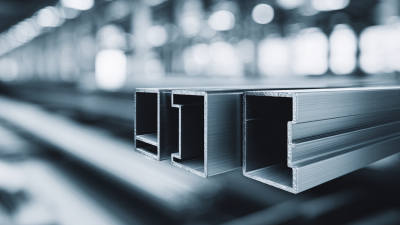
When it comes to choosing insulated aluminium extrusions for your projects, understanding the different types available is crucial. Each type serves specific purposes and offers varied thermal performance. For instance, some extrusions have better insulation properties than others, affecting energy efficiency. They can feature varying degrees of thermal breaks, which help reduce heat transfer. Considering the project’s climate and energy requirements is essential when evaluating these options.
Another critical factor to consider is the design versatility of the insulated aluminium extrusions. Some designs can incorporate complex shapes, allowing for creative applications in architecture. However, balancing aesthetics with functionality can be challenging. Choosing a style that complements your project without compromising insulation effectiveness requires careful thought. Experiments with different profiles may lead to unforeseen outcomes, which demand further adjustments.
Lastly, don’t overlook the impact of manufacturing techniques on the performance of insulated aluminium extrusions. Some extrusion methods may yield better strength and insulation properties. However, they may also lead to increased costs or longer production times. It's worth assessing the trade-offs based on your specific project needs. Solutions can vary widely, and what works well in one situation might not be ideal in another. Hence, thorough research and testing are vital for making informed decisions.
Evaluating the Performance and Durability of Insulated Aluminium Extrusion
When evaluating the performance and durability of insulated aluminium extrusion, several factors come into play. The quality of insulation is crucial. Look for materials that provide excellent thermal performance. This ensures efficient energy use in your projects. Resistance to weather and corrosion is equally important. It enhances the longevity of your structures, particularly in harsh environments.
Tips: Consider the thickness of the insulation. A thicker profile usually offers better performance. Also, assess the manufacturing standards. High-quality production methods lead to greater durability.
Another key aspect is the structural integrity of the extrusion. It should withstand pressure and stress. Conduct stress analysis during your selection process. This step helps in identifying any weaknesses in the material.
Tips: Conduct regular inspections on your installations. They can reveal wear before serious damage occurs. Don’t overlook the aesthetic stability, too. Powder-coating options can both protect and enhance appearance.
How to Choose Insulated Aluminium Extrusion for Your Projects?
| Parameter |
Description |
Value |
| Thermal Conductivity |
Measured in W/mK, indicates how well the material conducts heat. |
~205 W/mK |
| Insulation Material |
Type of insulation used within the aluminium extrusion. |
Polyurethane Foam |
| Weight |
Measured in kg/m, total weight of the aluminium extrusion. |
3.5 kg/m |
| Surface Finish |
Treatment applied to enhance resistance to corrosion. |
Powder Coated |
| Expected Lifespan |
Estimated time before significant maintenance is needed. |
25 years |
| Fire Rating |
Classification of how the material reacts to fire. |
Class B2 |
Best Practices for Installation and Maintenance of Insulated Aluminium Extrusions
When working with insulated aluminium extrusions, proper installation and maintenance are critical to the longevity and effectiveness of your projects. Data from the Aluminium Extruders Council (AEC) indicates that improper installation can reduce insulation effectiveness by up to 30%. Ensuring that joints and connections are sealed correctly is essential. Using specialized sealants designed for aluminium can further enhance structural integrity and thermal performance. Regular inspections should be performed annually, focusing on any visible wear or damage that might compromise insulation.
Maintenance often gets overlooked in the initial phases of project planning. A report by the American Institute of Architects notes that 80% of heating and cooling energy losses can be traced back to poorly maintained building envelopes. Regular cleaning is essential to prevent dirt buildup that can lead to thermal bridging. Consider using soft brushes and mild detergents to maintain a pristine surface. Be cautious with abrasive materials, as they can scratch the extrusion, leading to more issues in the long run. Attention to detail here cannot be overstated—it can save energy costs and improve overall efficiency.