How to Choose the Right Aluminum Square Tubes for Your Project
Choosing the right materials for a project can be challenging. Aluminum square tubes are a popular choice due to their strength and versatility. According to the Aluminum Association, aluminum's demand is projected to increase by 5% annually, reflecting its growing importance in various industries.
Aluminum square tubes offer lightweight properties without sacrificing structural integrity. Their resistance to corrosion makes them ideal for outdoor applications. However, not all aluminum tubes are created equal. Different grades and shapes can impact performance. It's crucial to understand the specifications and intended use for your project.
In some cases, using the wrong type of aluminum square tubes can lead to failures. Research from industry experts indicates that improper selection may result in costly reworks. This underscores the importance of a careful and informed choice. Assessing your project requirements against available options can make a significant difference.
Understanding the Properties of Aluminum Square Tubes
When selecting aluminum square tubes for a project, understanding their properties is crucial. Aluminum is lightweight yet strong, making it suitable for various applications. The strength-to-weight ratio allows for easy handling and transportation. Remember, different alloys provide varied mechanical properties. Some alloys may be more susceptible to corrosion. This can impact your project’s longevity.
Surface finish also plays a role. Anodized surfaces offer corrosion resistance, while mill-finished tubes can be more affordable. The thickness of the walls can impact strength and weight. Thicker walls provide greater load-bearing capacity but increase weight. Balancing strength and weight based on your specific needs is essential.
Consider the manufacturing method as well. Extruded tubes are common, but they may have slight inconsistencies. These variances can influence your project's final look and functionality. Always verify specifications before making a purchase. Reviewing multiple suppliers can help ensure you choose the right material with sustainable properties.
Identifying Project Requirements for Aluminum Tubes
When selecting aluminum square tubes, understanding project requirements is crucial. The specific application will dictate the necessary size, thickness, and alloy. For instance, structural applications may require higher strength materials, typically found in 6061 or 6063 aluminum alloys. According to a recent industry report, the demand for lightweight yet durable materials is increasing by 15% annually, highlighting the importance of informed selections.
Consider the load-bearing capacity of the aluminum tubes. Is your project for construction or furniture? Different uses require different specifications. It's also essential to evaluate environmental factors, such as exposure to moisture or chemicals. Data shows that 70% of aluminum tube failures are due to improper material choices for specific conditions.
Tips to remember include reviewing weight specifications. Lighter tubes may reduce costs but can compromise stability. Always balance between weight and strength. Check the finish required—anodizing can enhance corrosion resistance, which is vital for outdoor projects. Assess your project needs thoughtfully. Every detail matters to ensure success.
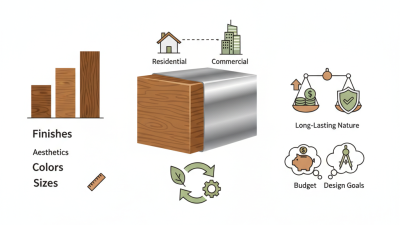
Aluminum Square Tubes Selection Based on Key Characteristics
Selecting the Right Grade and Alloy for Your Needs
When selecting aluminum square tubes, choosing the right grade and alloy is crucial for your project's success. Aluminum comes in various grades, each offering different properties. Some are corrosion-resistant, while others provide higher strength. The most common alloys include 6061 and 6063. Each has unique characteristics. Consider the environment where the tube will be used. For outdoor applications, a corrosion-resistant alloy is preferable.
Another factor to reflect on is the intended use of the tube. For structural applications, choose a stronger grade like 6061. It offers good mechanical properties and is suitable for welding. On the other hand, 6063 is often used for architectural applications, as it is easier to extrude and provides excellent finish. Weight constraints can also dictate your choice. Some might not consider the weight of the material until later stages.
Lastly, analyze your budget. Higher-grade materials can be more expensive. Ensure that the choice aligns with your financial limits. It’s easy to overlook these details initially, but doing so may impact the project's overall success. Selecting the right grade and alloy requires thoughtful consideration of application and materials properties.
Evaluating Dimensions and Wall Thickness Options
When selecting aluminum square tubes, one of the critical factors is dimensions. The width and length of the tube affect its suitability for various applications. Industry standards typically range from 1 inch to over 6 inches in width, accommodating different structural needs. However, the choice shouldn't solely depend on size; the wall thickness of the tube plays a vital role too. Standard wall thickness options can vary from 0.065 inches to over 0.25 inches. Depending on the project requirements, thinner walls may suffice for lightweight structures, while thicker walls are essential for heavy-duty applications.
Wall thickness influences not just strength, but also weight and corrosion resistance. A report by the Aluminum Association highlights that increasing the wall thickness by even a fraction can significantly enhance load-bearing capacity. It's worth noting that thicker tubes can be more challenging to work with, often leading to additional costs and complexities in fabrication. Some professionals find that the balance between weight and sturdiness can be elusive, necessitating careful consideration during the design phase.
Consultations with engineering standards and structural guidelines can help ensure a sound choice. Understanding specific project needs is crucial. Proper evaluation of dimensions and wall thickness can prevent future structural issues. Therefore, investing time in this assessment phase can lead to better outcomes and may even help avoid costly revisions later on.
How to Choose the Right Aluminum Square Tubes for Your Project - Evaluating Dimensions and Wall Thickness Options
| Model |
Dimensions (inches) |
Wall Thickness (inches) |
Weight (lbs/ft) |
Applications |
| A1 |
1 x 1 |
0.065 |
0.75 |
Frameworks, light structures |
| A2 |
1.5 x 1.5 |
0.083 |
1.10 |
Furniture, supports |
| A3 |
2 x 2 |
0.125 |
1.50 |
Structural, construction |
| A4 |
3 x 3 |
0.156 |
2.20 |
Heavy frames, equipment |
| A5 |
4 x 4 |
0.250 |
3.00 |
Industrial applications |
Comparing Cost and Availability Across Suppliers
When selecting aluminum square tubes, an essential consideration is comparing cost and availability across suppliers. The pricing of aluminum can fluctuate based on market conditions. According to a recent report by the Aluminum Association, the average price per pound of aluminum has seen a 22% increase in the past year. This change significantly impacts project budgets.
Availability is another critical factor. Many suppliers report lead times of 4 to 8 weeks for standard sizes. However, custom sizes may take longer, influencing project timelines. It's vital to assess whether your chosen supplier has adequate stock levels. A survey indicated that 40% of delays in construction projects stem from material shortages. Knowing these industry trends can aid in making informed decisions.
Experience often reveals the importance of local versus national suppliers. While national suppliers may offer competitive prices, local businesses can provide faster delivery and personalized service. A study by the National Association of Manufacturers suggests that sourcing from local suppliers can reduce lead times by as much as 30%. This dynamic can be crucial for time-sensitive projects, making it essential to weigh options carefully.