How to Choose the Right Construction Aluminum Profiles for Your Project
When embarking on a construction project, selecting the right Construction Aluminum Profiles is crucial. These profiles offer a blend of durability, lightweight characteristics, and versatility. According to a recent report published by the Aluminum Association, the global demand for aluminum profiles in construction is expected to increase by 5% annually through 2025. This growth emphasizes the importance of making informed choices.
Expert John Miller, a leading figure in this industry, once stated, “Choosing the right aluminum profiles can significantly impact the efficiency and sustainability of a project.” His insights highlight the critical role that appropriate profiling plays in construction projects. Each project is unique, and the profiles selected must align with specific structural and aesthetic needs.
Nonetheless, the decision process can be overwhelming. Various factors, such as load-bearing requirements and environmental impact, must be considered. Missteps in this area can lead to unnecessary costs or project delays. Reflecting on these challenges is essential for maximizing the benefits of Construction Aluminum Profiles. Therefore, taking the time to investigate and evaluate options is not just beneficial; it's imperative for project success.

Understanding the Types of Aluminum Profiles Used in Construction
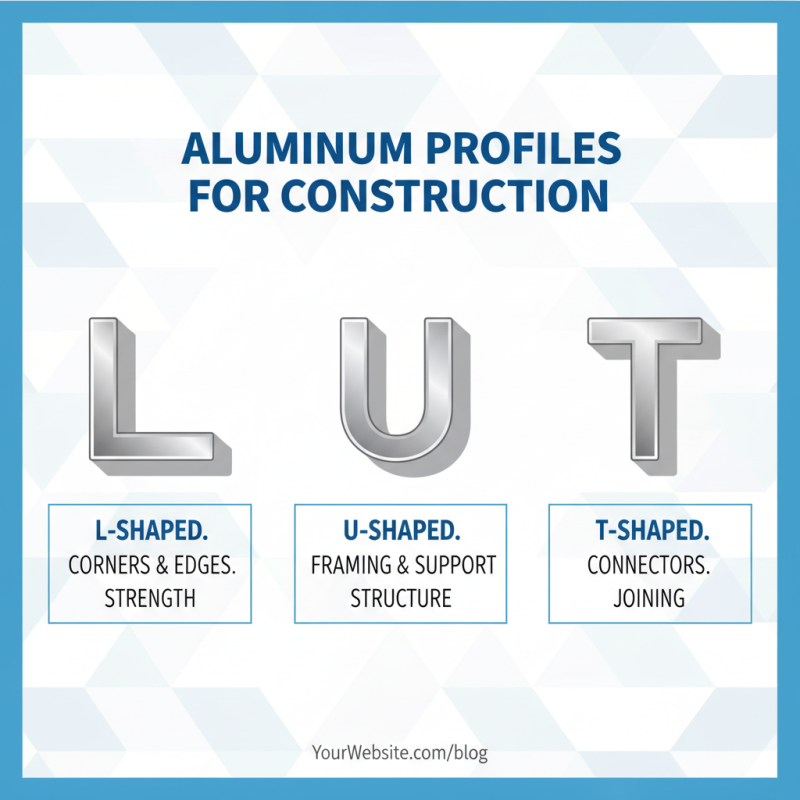
Aluminum profiles come in various types, each serving different construction needs. Common profiles include L-shaped, U-shaped, and T-shaped. L-shaped profiles offer strength for corners and edges. Meanwhile, U-shaped profiles are useful for framing and supporting structures. T-shaped designs often serve as connectors.
When selecting aluminum profiles, consider the project’s specific requirements. Weight and load-bearing capacity are crucial. Some profiles might look sleek, but may lack stability. It's essential to assess the balance between aesthetics and functionality. Overlooking this can lead to structural issues later on.
Durability is another factor worth pondering. While aluminum generally resists corrosion, not all profiles are treated equally. Environmental exposure plays a significant role. Some may fade or weaken over time. Evaluating the materials can save future headaches. Taking time to analyze your choices is never a waste.
Evaluating the Strength and Durability of Aluminum Profiles
When choosing aluminum profiles for your construction project, strength and durability are key factors. Aluminum's lightweight nature is attractive, but its resistance to corrosion and environmental wear is critical. Assess the specific needs of your project to ensure the selected profiles can withstand various stresses and impacts. Knowing the environment plays a significant role in this decision.
Consider the thickness of the aluminum profile. Thicker sections generally offer better strength but may increase weight. Evaluate whether you need enhanced resistance to bending or shear forces. Also, pay attention to the finish; anodized aluminum often provides greater durability in harsh settings. Different alloys can also influence strength — ensure you choose one that aligns with your project requirements.
Tips: Always test sample profiles under real-life conditions. It helps you understand their performance. Keep in mind, looks matter too. Aesthetic appeal can affect the overall satisfaction with your project. Don’t overlook this aspect in your evaluation process.
Considering Project Specific Requirements for Aluminum Profiles
When choosing aluminum profiles for your construction project, it’s vital to consider the specific requirements. Start with understanding the load-bearing capacity needed. Different profiles offer varying strengths. Thin profiles might not suffice for heavy-duty applications. Evaluate what the project demands early on.
Think about the environmental conditions too. Will the profiles be exposed to moisture, heat, or chemicals? These factors influence the type of alloy you'll need. Also, consider the finish. Some projects require a specific aesthetic, while others prioritize durability. Surface treatments can enhance resistance but may increase costs.
Don't overlook the fabrication process. Some profiles may require complex machining, which can delay the project. A simpler profile could save time and money. Always reflect on the project's size and budget constraints. Not every option works for every scenario. Find a balance between functionality and cost to avoid pitfalls later on.
Analyzing Cost Factors and Budget Constraints
When planning a construction project, understanding cost factors is essential. Aluminum profiles can vary significantly in price. The choice often depends on the project scope. Higher quality materials usually lead to better longevity. However, they come at a premium cost.
Budget constraints also play a crucial role. It's easy to choose lower-cost options, but this can lead to problems later. Cheaper aluminum may require more replacements or maintenance over time. These hidden costs can escalate quickly. It's important to evaluate the long-term implications, rather than just the initial expense.
Additionally, consider the purpose of the profiles. Structural or aesthetic needs can affect your choice. Sometimes, overthinking options leads to analysis paralysis. A clear project requirement can help narrow down choices. Aim for a balance between cost and quality to avoid future regrets.
Exploring Environmental Impact and Sustainability of Aluminum Options
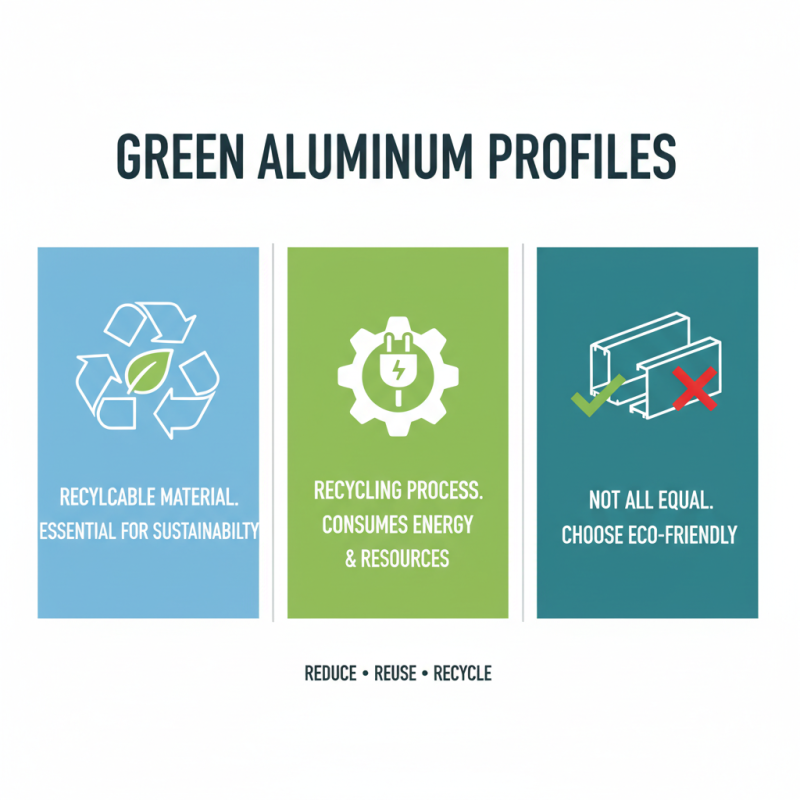
When choosing construction aluminum profiles, it's vital to consider their environmental impact. Aluminum is a recyclable material. This feature is essential for sustainability. However, the recycling process consumes energy and resources. Not all aluminum profiles are created equal in this regard.
Some profiles are made using energy-efficient methods. Others may not prioritize sustainability. It's important to research how the aluminum was sourced. Were eco-friendly practices followed? This inquiry can make a difference in your project's carbon footprint.
Look for certifications that indicate sustainable sourcing or production methods. These labels can guide you toward better choices. Be cautious, though; not all claims may be truthful. Transparency in the supply chain is often lacking, which can lead to confusion. This aspect is something that requires further reflection. Ultimately, choosing the right aluminum profile involves balancing performance, cost, and sustainability.