How to Choose the Right Curtain Wall Aluminium Profiles for Your Project?
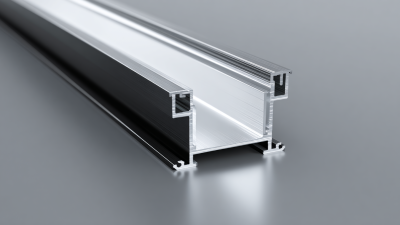
Choosing the right Curtain Wall Aluminium Profiles is crucial for any construction project. These profiles play a vital role in both aesthetics and functionality. A well-selected profile can enhance the building's appearance while providing the necessary strength and insulation.
When evaluating different Curtain Wall Aluminium Profiles, consider factors like weight, finish, and durability. For instance, a lightweight profile can ease installation. Meanwhile, a robust finish ensures longevity. However, overlooking these details can lead to costly mistakes and project delays.
It’s also essential to think about design flexibility. The right profiles should allow for creative freedom. Yet, this can be challenging when balancing aesthetics with structural integrity. Reflecting on past choices can guide future selections. It's all about finding harmony between beauty and performance in your project.
Understanding the Importance of Curtain Wall Aluminium Profiles in Construction
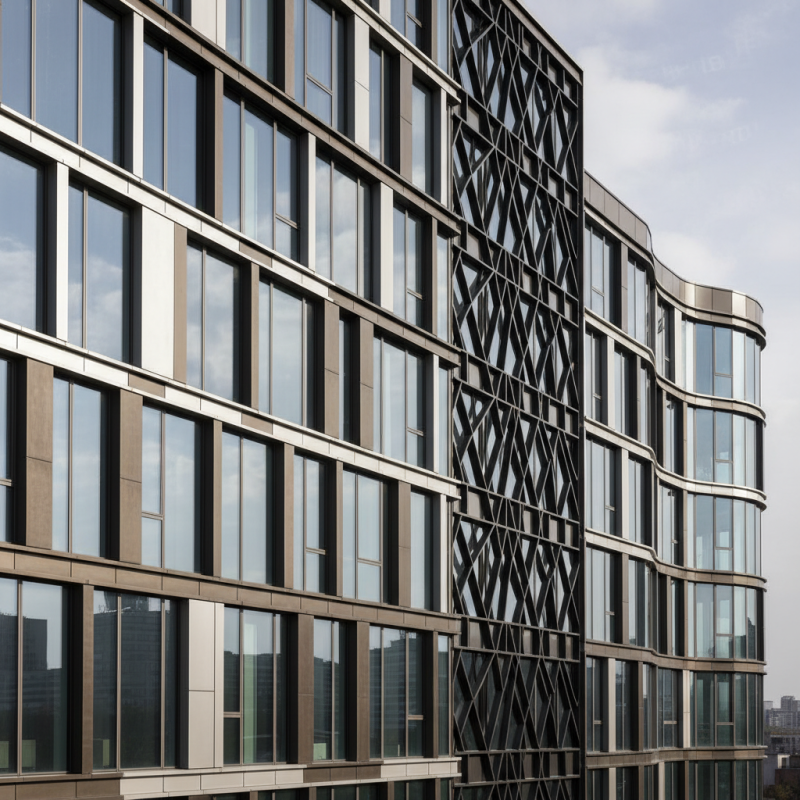
Curtain wall aluminium profiles are vital in modern construction. They not only support the building but also enhance its aesthetic appeal. A well-designed curtain wall can define the character of a structure, making it more inviting. These profiles resist harsh weather conditions and provide insulation. This keeps the interior comfortable and reduces energy costs.
When choosing curtain wall aluminium profiles, consider the building's location and style. The structural integrity of the profiles is crucial. Make sure they meet local codes and regulations. Durability is important, too. Select profiles that can withstand environmental stresses over time. Look for finishes that align with the project’s design requirements.
Tip: Always consult with experts before finalizing your choice. They can provide insights into effective materials and designs.
Another tip: Identify the maintenance needs of the profiles. Some may require regular cleaning or special care. Keep this in mind to ensure longevity. Balancing aesthetics with functionality is important. Reflect on your choices carefully. Sometimes, the most attractive option may not be the best in practical terms.
Key Factors in Selecting Curtain Wall Aluminium Profiles for Durability
Choosing the right curtain wall aluminium profiles is essential for project success. Durability is a key factor in this decision. When selecting profiles, assess the environment. Coastal areas require profiles resistant to corrosion. This consideration can prevent future maintenance issues.
Another factor is the thickness of the aluminium. Thicker profiles often provide better structural support. They can withstand heavy winds and temperature changes more effectively. However, heavier profiles may increase installation complexity. You must balance weight and strength carefully.
Consider the finishes as well. Anodized finishes add a layer of protection against scratches and UV damage. Color options may fade over time. Choosing a high-quality finish can enhance longevity. Reflect on the long-term implications of your choices. Every decision impacts the project outcome.
Analyzing Thermal Performance Ratings of Aluminium Profiles in Curtain Walls
When selecting curtain wall aluminium profiles, thermal performance is crucial.
Understanding how profiles affect energy efficiency can save costs long-term. High thermal performance ratings mean better insulation. This reduces heating and cooling needs significantly. Many profiles come with a thermal break, enhancing their efficiency. Architects often overlook this detail, leading to energy loss.
Testing thermal performance requires attention. It’s essential to check the ratings provided. Some profiles may not perform as claimed. Poor thermal efficiency can lead to condensation issues inside buildings. This creates an uncomfortable environment. Likewise, it can result in higher energy bills, contradicting initial design goals.
Incorporating energy-efficient profiles can be challenging. You may face difficulties balancing aesthetics with functionality. Not every attractive design offers high thermal performance. Therefore, careful analysis is vital. Seek profiles that not only look good but also meet or exceed thermal performance standards. This may require collaboration with experts to ensure the chosen materials support your project's sustainability goals.
Cost-Effectiveness: Budgeting for Quality Aluminium Profiles in Projects
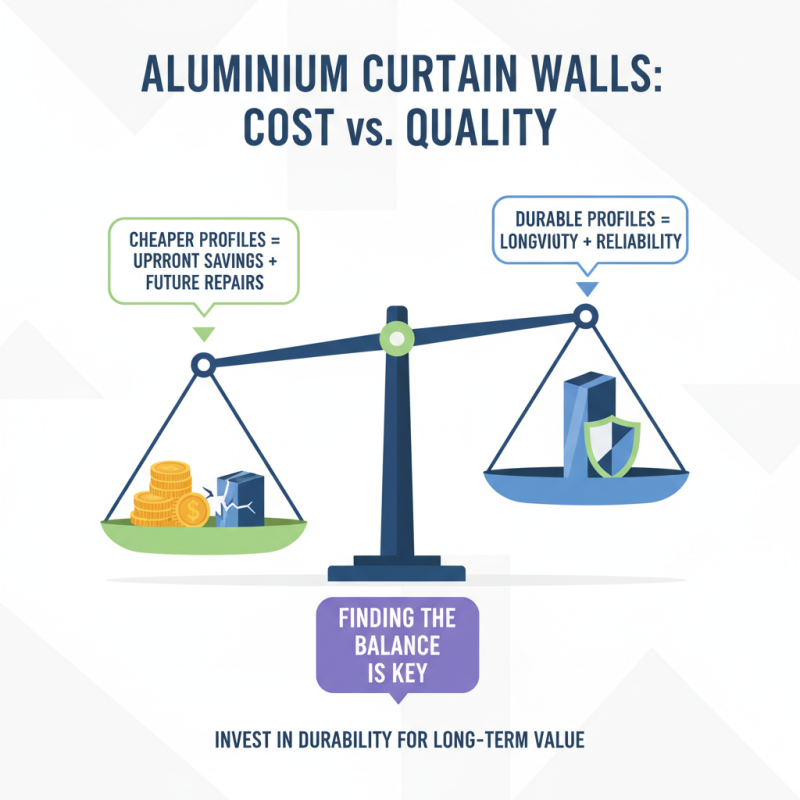
When selecting aluminium profiles for curtain walls, budget often plays a critical role. It's essential to find a balance between cost and quality. Cheaper options may save money upfront, but they might end up costing more in repairs later. Investing in durable profiles can enhance the longevity of your project.
Tip: Always consider the lifecycle cost of the materials. Cheaper profiles might lead to higher maintenance costs. Assess the performance and finishes that are essential for your project's needs. Quality materials can withstand weather and wear, making them the right choice in the long run.
Pay attention to supplier reputation as well. Reviews and previous project successes matter. A cheaper product from an unknown supplier may not meet your standards, exposing your project to risks.
Tip: Get samples before making a purchase. This can help you gauge the quality and feel of the materials. Evaluate their response times and customer service. In some cases, a slightly higher price pays off with better support and assistance. Don't forget to factor in shipping costs, too, as they can inflate your budget unexpectedly.
Compliance: Meeting Industry Standards for Curtain Wall Aluminium Profiles
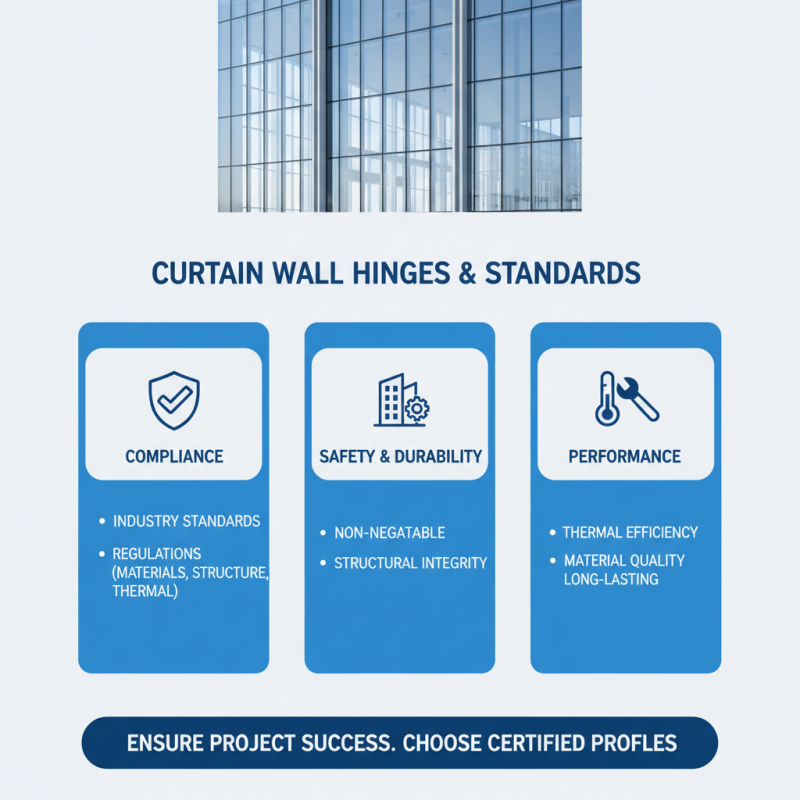
Choosing the right curtain wall aluminium profiles hinges heavily on compliance with industry standards. Regulations often dictate the materials used, structural integrity, and thermal performance. Adhering to these standards ensures safety and durability, which are non-negotiable in construction projects.
It is essential to research local building codes. Every region may have different requirements. Sometimes, what is standard in one location may not be acceptable elsewhere. Understanding these nuances can be challenging. Consult with experts in the field if necessary.
Moreover, profiles must meet specific performance metrics. These metrics include strength, insulation, and weather resistance. Failing to meet these could yield costly consequences. It’s also wise to choose profiles that allow for easy installation yet comply with the necessary guidelines. Complication sometimes arises during compliance checks, highlighting the need for meticulous planning. Keep a checklist to avoid missing critical standards.