How to Choose the Best Aluminum L Shape Angle for Your Needs?
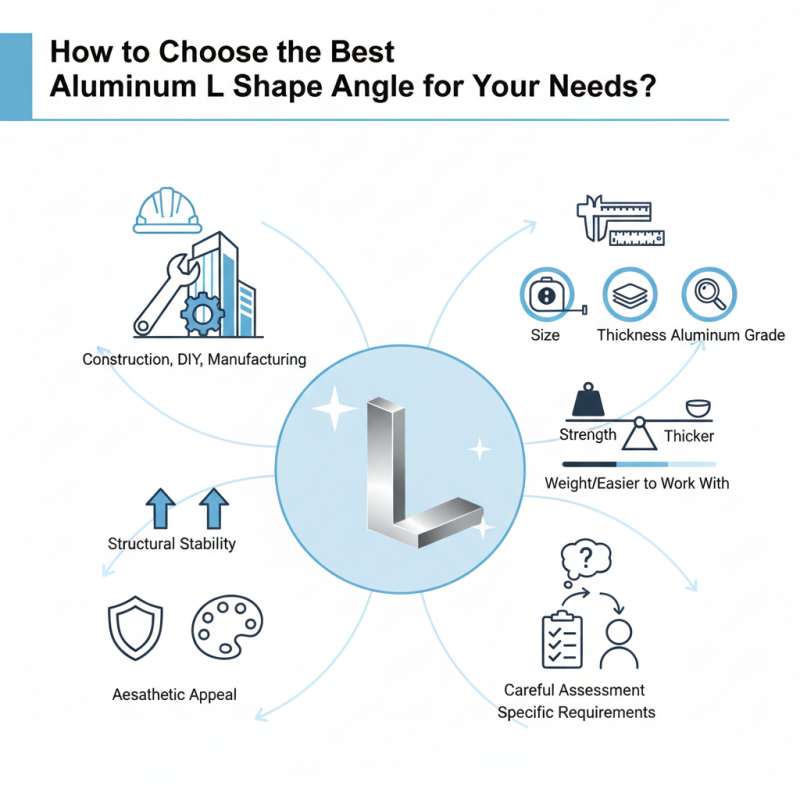
Choosing the right Aluminum L Shape Angle can impact your projects significantly. This versatile product finds application in construction, DIY, and manufacturing. Its benefits range from enhancing structural stability to providing aesthetic appeal.
When selecting an Aluminum L Shape Angle, it's essential to consider factors such as size, thickness, and aluminum grade. These choices can affect durability and strength. For example, a thicker angle offers more support, but can also be heavier and harder to work with. Balancing weight and strength is crucial.
Reflecting on various experiences can guide your decision. Many users have faced challenges choosing the right specifications. They often realize later that their selections didn't meet their needs. Therefore, careful assessment of your specific requirements is paramount for success.
Factors to Consider When Choosing Aluminum L Shape Angles
When choosing aluminum L shape angles, two main factors are crucial: size and material quality. Measure the dimensions needed for your project carefully. The size affects strength and compatibility with other components. Too small, and the structure might fail. Too large, and it will be cumbersome.
Next, consider the type of aluminum alloy. High-quality alloys offer better strength and corrosion resistance. Look for specific grades suitable for your intended application. Ensure they meet industry standards. Poor-quality materials can lead to unexpected failures, costing time and money.
Reflect on the finish of the aluminum angles as well. A good finish can enhance durability, while a rough surface may lead to issues later. Think about how the angles will be used. Will they be exposed to harsh conditions? Are aesthetics important for your application? Address these questions before making a decision.
Different Types of Aluminum L Shape Angles and Their Uses
When selecting an aluminum L shape angle, it's essential to consider the different types available and their specific uses. Common types include extruded angles and structural angles. Extruded aluminum angles often feature tighter tolerances and are ideal for decorative applications. Structural angles provide more strength and can withstand heavier loads.
According to industry data, aluminum's lightweight nature provides a strength-to-weight ratio of 10:1 compared to steel, making it a preferred choice in many structural applications. This advantage is particularly significant in sectors like construction and transportation. However, not all aluminum angles are created equal. It’s crucial to evaluate the intended use to select the appropriate alloy and finish.
Tips: Always check the thickness and dimensions specified in your project requirements. If the application involves exposure to chemicals, consider angle types with protective coatings. Additionally, consider weight limits to ensure safety during application. Keep in mind that improperly chosen angles can lead to structural failures or unnecessary costs.
How to Choose the Best Aluminum L Shape Angle for Your Needs? - Different Types of Aluminum L Shape Angles and Their Uses
| Type of Aluminum L Shape Angle |
Material Thickness (mm) |
Length (mm) |
Common Uses |
| Standard L Angle |
3 |
2000 |
Structural support, frames |
| Heavy Duty L Angle |
5 |
3000 |
Machinery, industrial applications |
| Angle with Holes |
4 |
1500 |
Mounting brackets, fixtures |
| Architectural L Angle |
2 |
1000 |
Decorative features, trim |
| Aluminum L Angle with Finish |
3 |
2500 |
Exterior design, furniture |
Measuring Your Requirements for Aluminum L Shape Angles
When measuring your requirements for aluminum L shape angles, precision is essential. Start by identifying the dimensions of your project. Consider the angle size, which typically ranges from 30 to 90 degrees. Each degree impacts stability and the fit of your design. Jot down your measurements clearly and double-check them. This step helps avoid costly mistakes during installation.
Next, evaluate the thickness of the aluminum angle. Thicker material offers more strength but may be more challenging to work with. How much weight will the angle support? If you're securing heavy objects, opt for a heavier gauge. Additionally, think about the length you need. Longer pieces might be difficult to handle, while shorter sections may not provide sufficient support.
Lastly, reflect on the finish you require. Whether you need a raw look or a polished surface, this choice affects both durability and aesthetics. Understand that not all aluminum angles are created equal. Conducting thorough research on processes and specifications is key. Mistakes in measurements and selections can lead to frustration. Keep revising your choices until they align with your needs.
Comparing Strength and Durability of Aluminum L Shape Angles
When selecting an aluminum L shape angle, strength and durability are critical factors. According to industry reports, aluminum alloys like 6061-T6 exhibit superior tensile strength of around 310 MPa. This makes it suitable for demanding applications, whether in construction or automotive sectors. Aluminum’s excellent weight-to-strength ratio allows for designs that remain robust yet lightweight.
Durability is another key aspect to consider. Aluminum naturally forms a protective oxide layer, which enhances its resistance to corrosion. This property is especially important in environments exposed to moisture. A study from the Aluminum Association indicates that 6061-T6 can last significantly longer than lower-grade alloys in harsher climates. However, it’s vital to assess the specific requirements of your project, as not all aluminum grades provide the same resistance.
Despite these advantages, imperfections can occur. Structural stresses, improper fabrication, and environmental factors might lead to unforeseen weaknesses. Regular inspection and adherence to manufacturing standards are necessary to ensure longevity. Evaluating your materials rigorously can prevent potential failures down the line.
Comparing Strength and Durability of Aluminum L Shape Angles
Cost Considerations and Budgeting for Aluminum L Shape Angles
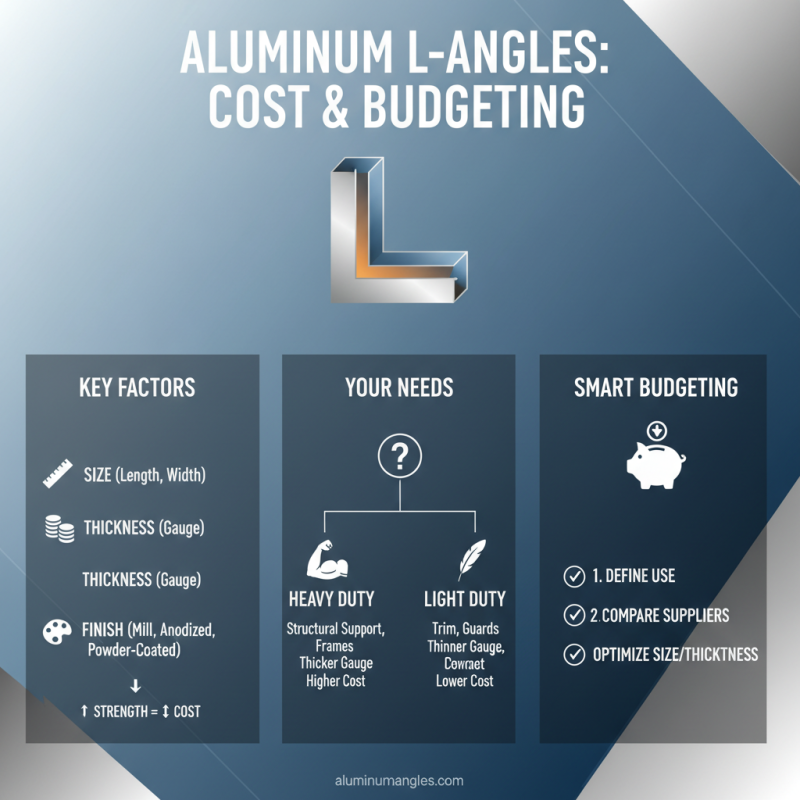
When considering aluminum L shape angles, cost is a pivotal factor. Prices can vary dramatically based on size, thickness, and finish. It’s essential to determine your specific needs first. A heavier gauge angle may be costlier but offers more strength. For lighter applications, a thinner gauge could suffice.
Budgeting involves more than just purchasing angles. Think about shipping costs and potential handling fees. These extra charges can significantly impact your total expenditure. It's wise to get quotes from multiple suppliers. This helps in making an informed decision. Be cautious of deals that seem too good to be true—they often come with hidden costs or inferior quality.
Don’t overlook potential waste. Miscalculating the dimensions could lead to unnecessary purchases. Always double-check your measurements before buying. This step can save both money and materials. Ultimately, having a clear budget not only enables you to choose the right product but also ensures you don't compromise on quality for the sake of saving a few dollars.