How to Choose the Best Construction Aluminum Profiles?
Choosing the best Construction Aluminum Profiles is crucial for any building project. According to industry expert John Smith, “The right aluminum profile can significantly enhance structural integrity.” This highlights the importance of selecting the perfect material that suits your specific needs.
Construction Aluminum Profiles vary in design and strength. Each profile has distinct features that impact durability and flexibility. It's essential to understand these details to make an informed choice. For instance, a heavy-duty profile may be necessary for load-bearing applications, while lighter profiles suffice for infill panels.
However, not all profiles fit every project. Some may overemphasize aesthetic appeal but compromise strength. Others may prioritize durability but lack flexibility. Reflecting on these trade-offs can lead to better decision-making. Ensuring you choose Construction Aluminum Profiles involves balancing various factors, from structural demands to design preferences.
Understanding Aluminum Profiles: Types and Properties
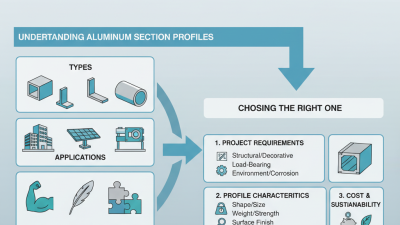
Aluminum profiles come in various forms, tailored for specific applications. These profiles can be categorized into
structural,
decorative, and
functional types.
Structural profiles, like beams and columns, provide support and stability in construction.
Decorative profiles enhance aesthetics, while functional types include components designed for machinery and equipment.
Choosing the right type is crucial for ensuring performance and longevity.
Understanding the properties of aluminum is essential. It is lightweight yet strong, making it ideal for numerous applications.
The corrosion resistance of aluminum extends its lifespan, particularly in outdoor environments.
However, aluminum's thermal conductivity can be a double-edged sword; while beneficial for heat dissipation, it requires careful consideration in insulation applications.
Ultimately, knowing the distinct characteristics of each profile will guide you in making an informed decision.
Evaluating Strength and Durability in Aluminum Profiles
When selecting aluminum profiles, evaluating strength and durability is essential. Strength is a primary concern as it determines how well the profile can withstand various loads. For instance, profiles used in construction must resist bending and warping under pressure. Consider the alloy used; certain alloys are known for their greater resilience. Proper testing methods can reveal weaknesses too. Load testing, for example, can help manufacturers understand how much weight their profiles can bear.
Durability is equally important. Profiles that excel in resisting corrosion or wear will last longer, making them a better investment. Environmental factors play a role in this aspect. For example, profiles exposed to high humidity may require additional treatments to enhance their protective qualities. It’s crucial to assess the conditions where the profiles will be used. Moreover, attention to detail in manufacturing can impact longevity. A slight miscalculation in the profile’s dimensions could lead to severe performance issues. Both strength and durability must align with the specific application to ensure optimal performance in the long run.
Assessing Cost-Effectiveness of Different Aluminum Profiles
When assessing the cost-effectiveness of different aluminum profiles, it’s crucial to consider the life cycle costs. According to a report by the Aluminum Association, over 40% of the total cost of aluminum products comes from fabrication and not just from material. This emphasizes the need for a thorough evaluation of fabrication processes, installation, and maintenance.
Selecting profiles that offer durability can lead to cost savings over time. Studies show that high-quality aluminum profiles can reduce maintenance costs by up to 30%. Additionally, the energy efficiency of aluminum can be compelling. Properly insulated aluminum frames can reduce energy costs by 15% annually. Such information suggests that upfront investments in higher-quality profiles often pay off in the long run.
However, not all choices are straightforward. The initial purchase price does not always predict overall performance. Some lower-cost profiles may rust or wear out faster. Maintenance costs can quickly add up, eroding any short-term savings. Thus, buyers should weigh immediate costs against potential long-term expenses, ensuring their decision balances initial investment and performance sustainability.
Selecting the Right Profile for Your Construction Project
Choosing the right aluminum profile is crucial for your construction project. It can impact both the functionality and aesthetic appeal of structures. The right profile ensures durability and safety, which are vital in construction. Various reports indicate that using high-quality aluminum can improve a building's lifespan by up to 30 years. This underscores the importance of selecting the best profiles.
When selecting profiles, consider factors like load-bearing capacity and resistance to corrosion. According to industry data, aluminum profiles that meet specific standards can reduce maintenance costs by nearly 15%. Reliability is critical, and profiles that are certified provide assurance of performance. However, some projects may overlook the long-term benefits of quality materials in favor of immediate cost savings.
Remember that not every profile suits every project. Each construction site has unique requirements based on climate, environment, and design. Failure to account for these can lead to issues down the line. The choice of aluminum profile should reflect a thorough understanding of these factors to ensure successful project outcomes. Make informed decisions to avoid pitfalls that can arise from poor material choices.
Choosing the Right Construction Aluminum Profiles
Considering Environmental Impact and Sustainability Factors
Choosing construction aluminum profiles requires careful consideration of their environmental impact and sustainability. Aluminum is known for its recyclability, as about 75% of all aluminum ever produced is still in use today. This high recycling rate reflects its minimal carbon footprint compared to materials like steel. Furthermore, the production of aluminum profiles results in about 95% less greenhouse gas emissions when recycled compared to primary production processes.
It’s crucial to assess the sustainability certifications of aluminum products. Look for profiles that comply with standards such as LEED or BREEAM. These certifications indicate adherence to sustainable practices in sourcing and manufacturing. A study by the Aluminum Association highlighted that energy-efficient production methods have significantly reduced energy consumption, making aluminum a more sustainable option for construction.
While aluminum profiles offer many advantages, there are still challenges. The impact of mining bauxite, the raw material for aluminum, can be detrimental. This process can lead to deforestation and habitat destruction. Therefore, responsible sourcing is vital. Engaging with suppliers who prioritize environmentally friendly methods can alleviate some of these concerns and contribute to a more sustainable construction industry.