2026 How to Source Aluminium Handrail Extrusion Efficiently?
Sourcing Aluminium Handrail Extrusion efficiently is essential in today's competitive market. Quality and reliability in this process are crucial for manufacturers and contractors alike. When choosing suppliers for Aluminium Handrail Extrusions, one must consider various factors, including material quality and production capabilities.
Focusing on a targeted approach can lead to better results. This means not only evaluating the supplier's history but also understanding their extrusion technology. The complexity of sourcing can often lead to challenges, such as unexpected delays or subpar materials. These issues highlight the importance of thorough research and communication with potential partners.
Ultimately, a well-organized sourcing strategy can minimize risks and enhance product quality. It’s essential to reflect on past sourcing experiences to identify areas for improvement. Continuous learning and adaptation are vital in ensuring that future sourcing of Aluminium Handrail Extrusions meets the highest standards.
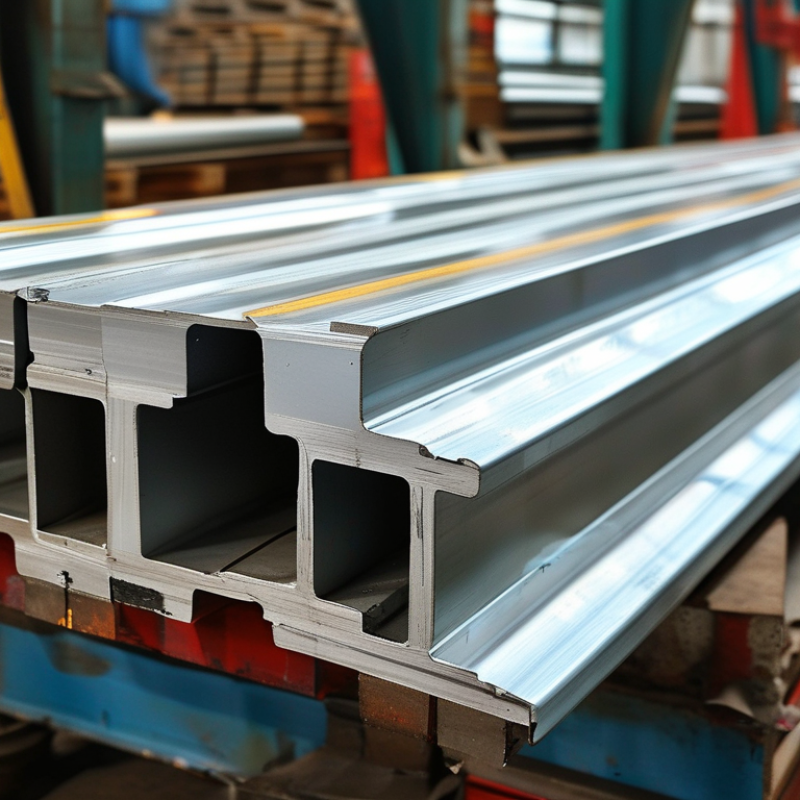
Understanding Aluminium Handrail Extrusion and Its Applications
Aluminium handrail extrusions offer versatile solutions across various applications. They are commonly used in
residential, commercial, and industrial settings. Their lightweight nature and strength make them a preferred choice for safety barriers and aesthetic enhancements.
According to a recent market research report, the demand for aluminium extrusions in construction will grow by 6.3%
annually until 2025. This trend indicates an increasing reliance on aluminium for functional and decorative purposes.
The extrusion process involves heating and shaping aluminium into specific profiles. This method allows for precise designs tailored
to unique architectural needs. A report from the Aluminium Association highlighted that 75% of extrusions in North America serve the construction sector.
This emphasizes the strong link between aluminium handrail manufacturing and construction trends. Cost-efficiency plays a key role, too; latest studies suggest that using
aluminium can reduce project costs by 15% compared to other materials.
Challenges exist in sourcing quality aluminium extrusions. Variability in material quality and production standards can affect final product durability. Companies must ensure
they collaborate with experienced suppliers who adhere to recognized standards. Focusing on suppliers with verified credentials enhances the reliability of sourced material.
A consistent evaluation of sourcing strategies can lead to better decision-making and improved project outcomes.
Identifying Quality Standards for Aluminium Extrusions
When sourcing aluminium handrail extrusions, understanding quality standards is crucial. According to recent industry reports, over 30% of extrusion failures stem from non-compliance with established quality metrics. This can lead to safety hazards and increased costs. Quality standards ensure that the extrusions meet specific tolerances and material properties.
Focus on critical aspects, such as surface finish and dimensional accuracy. A smooth surface can enhance the aesthetics and durability of the handrail. Industry benchmarks suggest that a roughness average (Ra) of less than 1.6 micrometers is optimal for most applications. Additionally, testing for tensile strength is vital. Extrusions should meet or exceed the 200 MPa threshold for structural integrity.
Another significant factor is the alloy composition. Many manufacturers still struggle with maintaining consistent alloy percentages. The right alloy can improve corrosion resistance and strength. It is essential to verify certifications and test reports from suppliers. Engaging with experienced professionals in the field can provide insights into reliable sources. This collaborative approach can prevent costly mistakes and ensure a successful project outcome.
Sourcing Techniques for Efficient Aluminium Handrail Production
Efficient sourcing techniques for aluminium handrail production are crucial.
According to industry reports, the global aluminium extrusion market is anticipated to reach
$110 billion by 2028. This growth emphasizes the need for
effective sourcing strategies.
One approach is to leverage local suppliers for shorter lead times and reduced shipping costs.
Local sourcing can minimize the carbon footprint in transportation.
Data indicates that approximately 30% of production costs in handrail manufacturing come from raw materials.
Thus, forming long-term relationships with reliable suppliers can lock in competitive pricing.
Bulk purchasing can also yield significant discounts.
However, challenges persist. Quality control can become an issue when focusing solely on cost-cutting.
Ensuring that suppliers meet industry standards is essential.
Testing materials before large-scale procurement is vital.
Many manufacturers overlook this step, risking compromised safety standards.
Regular audits of suppliers may help maintain quality consistency.
Reports suggest that around 25% of firms encounter quality issues with extruded products.
This statistic highlights the delicate balance between cost efficiency and product quality.
Investing in proper sourcing techniques may lead to better overall results.
Evaluating Suppliers: Key Considerations for Aluminium Extrusions
When sourcing aluminium handrail extrusion, evaluating suppliers is critical. This process can be challenging and often requires careful consideration. Start by assessing the supplier’s industry experience. A company with a long track record demonstrates reliability. Look for information on their past projects. This can provide insight into their capabilities.
Quality control is another essential aspect. Reliable suppliers should have robust quality assurance processes in place. Ask about their quality certifications. These can serve as indicators of their commitment to producing high-standard products. It’s also helpful to request samples. Testing these samples helps you determine if a supplier can meet your project requirements.
Communication is key. Ensure that potential suppliers are responsive to your inquiries. Their level of customer service can offer clues about their professionalism. Take note of how quickly they provide information. Inconsistent responses might signal potential issues down the line. Balancing cost and quality is essential, but don’t overlook the importance of effective communication throughout the sourcing process.
Cost-Benefit Analysis of Aluminium Sourcing Options
Sourcing aluminum handrail extrusion efficiently requires careful analysis of costs and benefits. A recent report from the Aluminum Association highlights that aluminum prices have fluctuated significantly, with a current range between $2,000 to $2,500 per ton. This volatility poses challenges when selecting suppliers, especially for bulk requirements.
Bulk purchasing can yield lower costs. However, smaller quantities may result in higher per-unit prices. According to industry experts, understanding the total cost of ownership is vital. This includes not just material costs but also transport, handling, and potential waste during installation. A well-planned sourcing strategy can mitigate these risks.
Moreover, sustainability plays a critical role in decision-making. The use of recycled aluminum can reduce costs up to 40%. However, sourcing issues may arise, as recycled materials can vary in quality. Investing in high-quality suppliers ensures reliable materials but may come with a higher price tag. Balancing these factors requires strategic evaluation and, at times, trial and error, emphasizing the importance of a flexible sourcing strategy.
2026 How to Source Aluminium Handrail Extrusion Efficiently? - Cost-Benefit Analysis of Aluminium Sourcing Options
| Sourcing Option |
Initial Cost ($/kg) |
Shipping Cost ($/kg) |
Lead Time (weeks) |
Quality Rating (1-10) |
Sustainability Score (1-10) |
| Local Manufacturer |
5.00 |
0.50 |
2 |
9 |
8 |
| Overseas Supplier A |
4.00 |
1.00 |
6 |
7 |
6 |
| Overseas Supplier B |
4.50 |
0.75 |
8 |
8 |
7 |
| Recycled Aluminium Supplier |
5.50 |
0.30 |
4 |
9 |
9 |