2025 Guide: How to Choose Insulated Aluminium Window Profiles for Efficiency
In the quest for energy efficiency, the choice of window profiles plays a pivotal role, particularly when it comes to Insulated Aluminium Window Profiles. As the demand for sustainable building practices continues to grow, understanding the options available and their impact on thermal performance is essential. Leading industry expert, Dr. Emily Harrison, a renowned architect specializing in sustainable design, emphasizes the importance of these profiles by stating, "The right insulated window profiles can dramatically reduce a building’s energy consumption while enhancing aesthetic appeal."
Choosing the right Insulated Aluminium Window Profiles requires careful consideration of various factors, including thermal performance, durability, and design compatibility. It's not just about selecting a product; it's about investing in a solution that offers long-lasting benefits for both the environment and the occupants. The combination of insulation properties and the strength of aluminum makes these profiles an ideal choice for modern architecture, resonating with the growing emphasis on eco-friendly construction methods.
As we delve into the intricacies of selecting Insulated Aluminium Window Profiles, it is crucial to understand how these products can contribute significantly to achieving energy-efficient goals while providing comfort and style in any building project. The insights provided in this guide aim to equip you with the knowledge to make informed decisions that align with sustainable practices.
Understanding the Importance of Insulated Aluminium Window Profiles
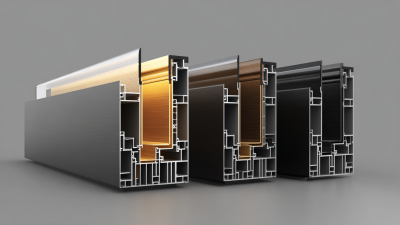
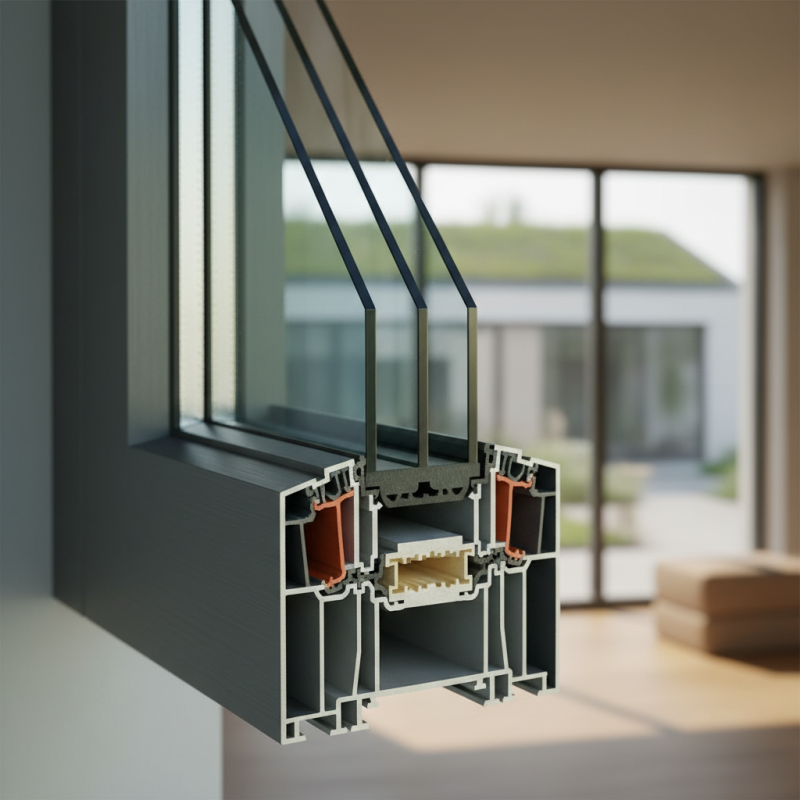
Insulated aluminium window profiles play a crucial role in enhancing the energy efficiency of a building. These profiles are designed with thermal breaks that significantly reduce heat transfer, ensuring that indoor temperatures remain stable regardless of external weather conditions. By minimizing energy loss, insulated aluminium windows not only contribute to a comfortable living environment but also lead to substantial savings on heating and cooling costs over time.
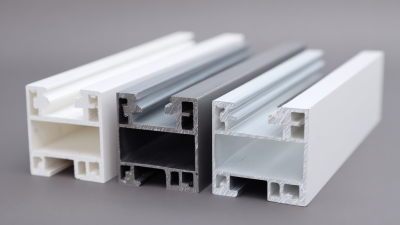
Furthermore, the importance of these profiles extends beyond mere energy efficiency. They also contribute to the structural integrity and durability of windows. Unlike traditional window materials, insulated aluminium is resistant to corrosion and weathering, which enhances the lifespan of the windows. In addition, these profiles provide excellent aesthetic flexibility, allowing homeowners and builders to choose from a variety of designs and finishes that can suit any architectural style. This combination of performance and visual appeal makes insulated aluminium window profiles an essential consideration for anyone looking to improve the efficiency and aesthetics of their property.
2025 Guide: How to Choose Insulated Aluminium Window Profiles for Efficiency
| Profile Type |
Thermal Performance (U-value) |
Frame Depth (mm) |
Customization Options |
Recyclability (%) |
| Standard Insulated Profile |
1.6 W/m²K |
70 |
Standard Colors Only |
95% |
| High Performance Profile |
1.2 W/m²K |
75 |
Custom Colors Available |
97% |
| Ultra-Low Conductivity Profile |
0.9 W/m²K |
80 |
Fully Customizable |
100% |
Key Factors in Selecting Energy-Efficient Window Profiles
When selecting insulated aluminium window profiles for energy efficiency, several critical factors must be considered to ensure optimal performance. Firstly, the thermal performance of the window profile is paramount. A report by the International Window Association highlights that windows account for up to 30% of a building's energy loss, making it essential to choose profiles with high thermal insulation properties. Look for windows featuring thermal breaks and low U-values, as these attributes significantly reduce heat transfer, thereby enhancing overall energy efficiency.
Additionally, the design and frame construction play a vital role in maximizing energy savings. A study conducted by the National Renewable Energy Laboratory found that multi-chambered designs minimize air movement within the profiles, providing better insulation. Furthermore, the choice of glazing is equally important. Double or triple-glazed panes filled with argon or krypton gas can substantially lower energy consumption, with experimental data indicating reductions of up to 40% in heating and cooling costs compared to single glazing. Consideration of these key factors not only aligns with sustainability goals but also contributes to long-term savings for homeowners and builders alike.
Comparing Different Insulation Technologies for Aluminium Windows
When exploring insulation technologies for aluminium window profiles,
it's essential to compare various options to identify the most efficient choice. One popular method is the use of
polyamide thermal breaks,
which are designed to separate the interior and exterior parts of the window frame.
This technology significantly reduces thermal conductivity, helping to maintain a stable indoor temperature and reduce
energy costs. The effectiveness of polyamide thermal breaks has made them a preferred option in many energy-efficient
designs, particularly in colder climates.
Another emerging technology is the implementation of
foam-filled profiles.
This approach enhances thermal insulation by utilizing high-performance foam materials that fill the hollow sections of
aluminium frames. Foam-filled profiles not only improve energy efficiency but also provide sound insulation, making them
suitable for urban environments where noise pollution is a concern. The combination of insulation and soundproofing
capabilities positions foam-filled profiles as a versatile choice for homeowners seeking comfort alongside energy
conservation.
Lastly, low-E (low emissivity) glazing is another critical component
that pairs well with insulated aluminium window profiles. This technology involves glass that has been treated to reflect
heat, helping to keep indoor spaces warm during winter and cool during summer. By incorporating low-E glazing with
insulated frames, homeowners can achieve optimal energy efficiency and enhance the overall performance of their windows,
contributing to a more sustainable living environment.
Installation Considerations for Maximum Efficiency
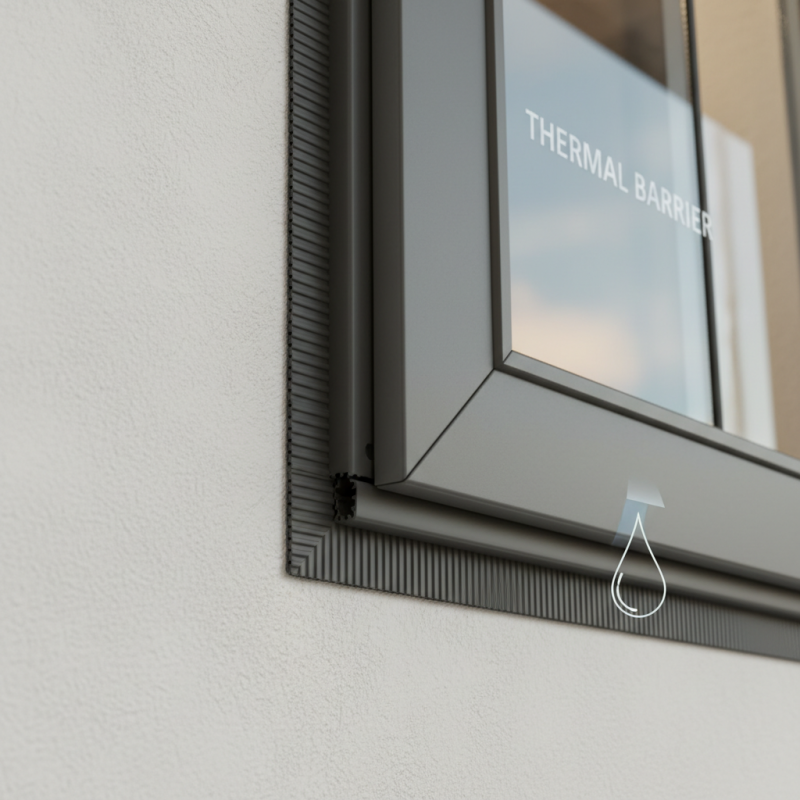
When considering the installation of insulated aluminium window profiles, several factors can significantly enhance their efficiency. First and foremost, proper sealing is essential. Gaps and leaks can undermine the thermal performance of the windows, allowing drafts and moisture to penetrate the interior. Employing high-quality weatherstripping and ensuring a tight fit between the frames and walls can create an airtight seal that maximizes insulation. Additionally, selecting the right hardware that complements these seals is crucial for maintaining a durable and effective installation.
Another critical aspect is the alignment and level of the window during installation. Misalignment can result in improper operation and reduced energy performance. It is advisable to utilize shims to ensure that the window frames are perfectly level and plumb during installation. This meticulous attention to detail facilitates optimal closure of the windows, further enhancing their insulating capabilities. Furthermore, considering the local climate when determining the type of insulated profiles can ensure that the selected windows will perform efficiently, addressing specific temperature fluctuations and environmental conditions. Overall, thoughtful installation practices are fundamental for achieving maximum efficiency from insulated aluminium window profiles.
Maintenance Tips for Long-Lasting Insulated Aluminium Windows
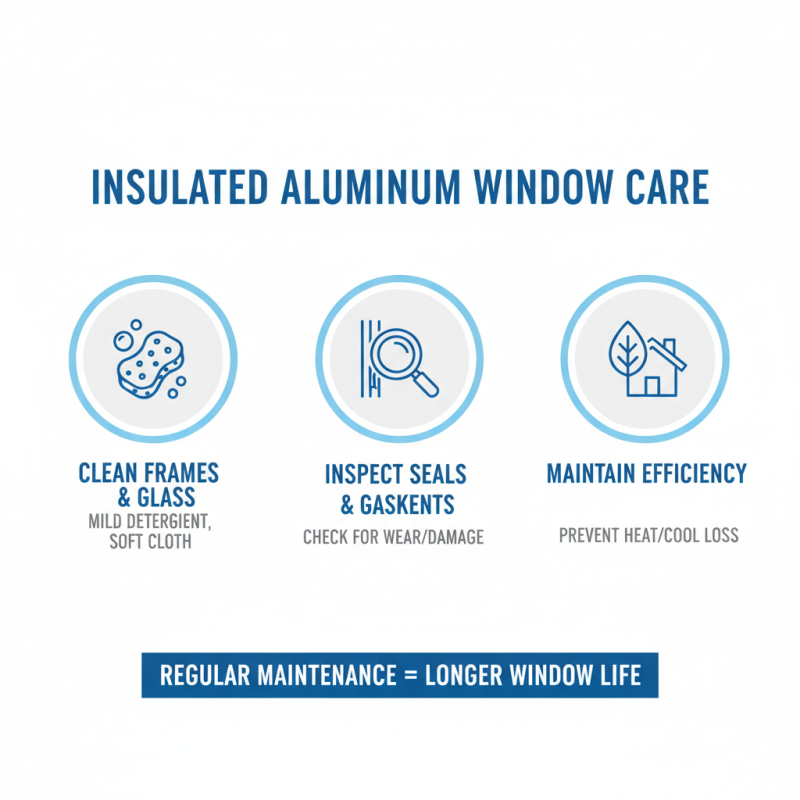
To ensure your insulated aluminium windows remain in top condition, regular maintenance is key. Start by cleaning the frames and glass thoroughly with a mild detergent and water. Avoid abrasive cleaners that could scratch the surface. A soft cloth or sponge is ideal for this task, as it prevents damage while effectively removing dirt and grime. Additionally, inspect the seals and gaskets for any signs of wear or damage, as these play a crucial role in maintaining energy efficiency.
Another important aspect of maintenance is lubrication. Check the moving parts, such as hinges and locks, and apply a silicone or graphite lubricant to keep them functioning smoothly. This will prevent rust and ensure that the window operates correctly over time. Furthermore, it’s advisable to periodically check for any signs of condensation between the glass panes, as this can indicate that the insulation is compromised and may require professional attention. By following these simple tips, you can help prolong the life of your insulated aluminium windows and maximize their energy efficiency.