Understanding Thermal Bridge Break Aluminium Profiles for Better Insulation
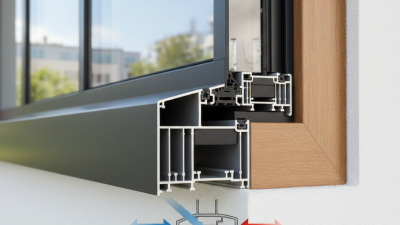
In the quest for energy efficiency, understanding Thermal Bridge Break Aluminium Profiles is crucial. These innovative profiles address a common issue found in construction: thermal bridging. This phenomenon occurs when heat flows through materials, leading to energy loss.
Thermal Bridge Break Aluminium Profiles help solve this problem. By reducing the conductivity of building materials, they enhance insulation. With these profiles, buildings maintain better temperature control. Consequently, energy consumption is reduced. However, not all profiles on the market are effective.
Some may fall short of expectations. Factors such as installation quality and design can impact performance. It is essential to evaluate products carefully. Understanding the science behind these profiles can lead to better choices. Ultimately, investing in quality Thermal Bridge Break Aluminium Profiles can lead to enhanced comfort and lower energy bills for years to come.
Understanding Thermal Bridges in Building Construction
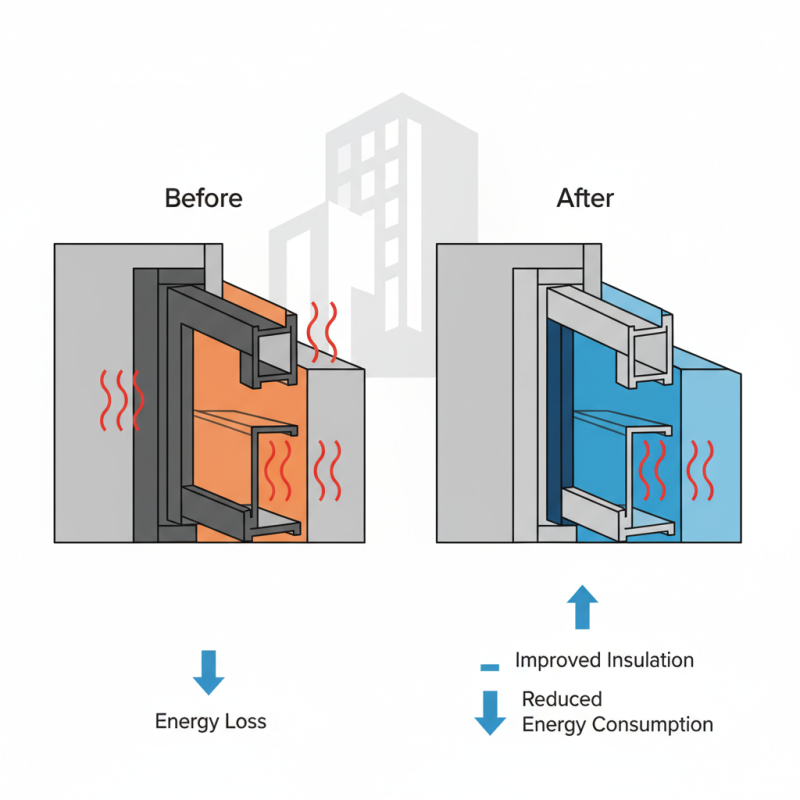
Thermal bridges significantly impact building insulation. They occur when materials with high thermal conductivity connect different parts of a structure. This leads to heat loss and increased energy consumption. A study by the Lawrence Berkeley National Laboratory found that thermal bridges can increase heating and cooling costs by 10-30%. These data highlight the importance of addressing thermal bridges in modern construction.
One common misconception is that insulation alone eliminates this issue. In reality, a poorly designed thermal bridge can undermine even the best insulation efforts. Proper detailing is essential. For instance, using materials with lower thermal conductivity can help mitigate this problem. Regular thermal imaging surveys can identify these bridges, allowing for timely interventions.
Tips: Consider using continuous insulation to minimize thermal bridges. Ensure that joints and connections are correctly sealed to prevent heat loss. Review building plans for potential thermal bridge locations early in the design process. This proactive approach can lead to a more energy-efficient building. Reflect on how easy it is to overlook these details, yet they are crucial for optimal performance.
The Role of Aluminium Profiles in Thermal Insulation
Aluminium profiles play a significant role in enhancing thermal insulation in buildings. They can significantly reduce energy loss through walls and windows by minimizing thermal bridges. According to a report by the International Energy Agency, thermal bridges can account for up to 30% of a building's heat loss. This statistic highlights the need for effective insulation strategies.
Using thermal bridge break aluminium profiles can greatly improve a structure's energy efficiency. They act as a barrier, preventing heat from escaping in winter and blocking unwanted heat in summer. A study published in the Journal of Building Physics shows that these profiles can lower heating and cooling costs by about 15-20%.
Tips: Always check for quality certifications when selecting aluminium profiles. High-quality profiles often lead to better overall insulation.
Despite their benefits, not all profiles perform equally. In some cases, improper installation can lead to air leaks. Regular inspections can help identify and address potential issues early. Investing in proper materials and installation is crucial for maximizing energy efficiency.
Understanding Thermal Bridge Break Aluminium Profiles for Better Insulation
| Aluminium Profile Type |
Thermal Conductivity (W/m·K) |
Insulation Value (U-value) |
Applications |
Benefits |
| Standard Aluminium Profile |
205 |
1.3 W/m²K |
Windows, Doors |
Cost-effective, easy to work with |
| Thermal Break Aluminium Profile |
160 |
0.8 W/m²K |
High-performance windows |
Energy-efficient, reduced heat transfer |
| Composite Aluminium Profile |
120 |
0.5 W/m²K |
Skylights, Storefronts |
Superior insulation, aesthetic appeal |
| Reinforced Aluminium Profile |
180 |
0.7 W/m²K |
Commercial buildings |
High strength, durability |
Advantages of Break Aluminium Profiles for Energy Efficiency
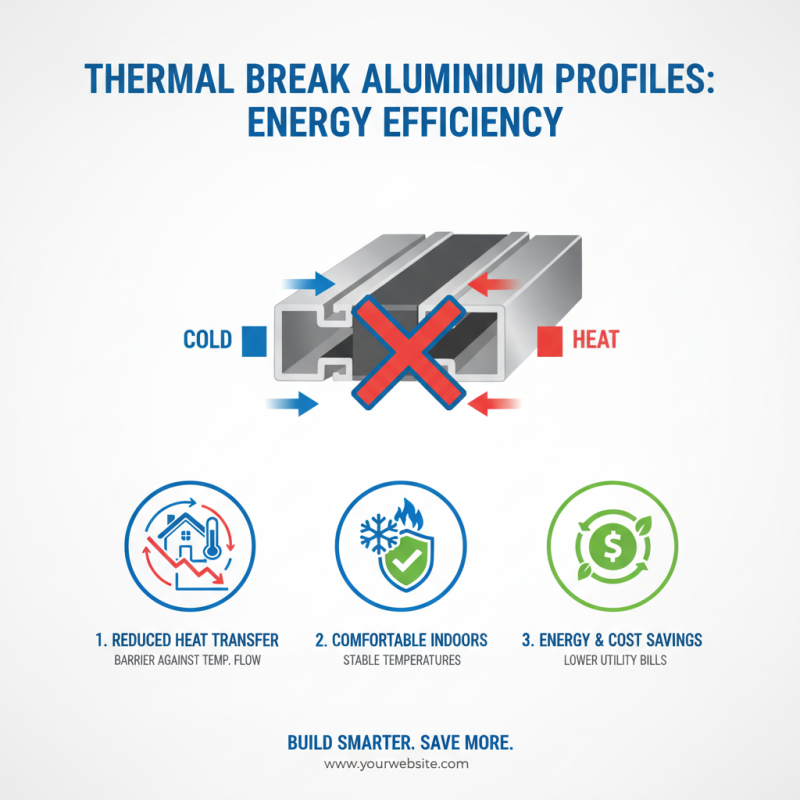
Thermal bridge break aluminium profiles play a crucial role in enhancing energy efficiency. These profiles create a barrier against heat transfer, preventing energy loss in buildings. By reducing heat flow, they help maintain comfortable indoor temperatures. This leads to lower energy consumption for heating and cooling, significantly saving costs.
Energy-efficient buildings need quality insulation. Thermal bridge breaks provide this by minimizing cold spots and drafts. They also reduce the risk of condensation and mold growth, creating a healthier environment. The design of these profiles allows for flexibility in construction. They can easily be integrated into different building styles, ensuring aesthetic appeal.
**Tips:** When choosing thermal break aluminium profiles, consider their thermal performance ratings. Look for designs that optimize insulation without sacrificing structural integrity. Proper installation is key to achieving the desired energy savings. Ensure all joints are sealed correctly to prevent leaks. Regular maintenance can also extend their lifespan and efficiency.
Design Considerations for Effective Thermal Bridging Solutions
When designing thermal bridge break aluminium profiles, several key considerations emerge. First, the thermal conductivity of materials plays a crucial role. Choosing the right insulation helps in reducing heat loss. Yet, achieving an optimal balance between structural integrity and thermal performance is often challenging.
Tip: Always assess the local climate. This can influence the materials you choose. For colder areas, thicker insulation may be needed. In warmer climates, lightweight options can suffice.
Moreover, the connections and junctions in these profiles can create unexpected thermal bridges. Sometimes, designers focus too much on aesthetics. This can undermine the effectiveness of insulation. It’s important to carefully analyze how different components interact.
Tip: Regularly review your design process. Collaborate with insulation experts. Their input can reveal hidden issues in your approach. Small adjustments can lead to significant improvements in energy efficiency.
Understanding Thermal Bridges in Aluminium Profiles
This chart displays the U-Values for various types of glazing and thermal break aluminium profiles, illustrating how effective thermal bridging solutions can enhance insulation performance.
Comparative Analysis of Thermal Performance in Building Materials
Thermal performance plays a critical role in building materials. Conducting a comparative analysis reveals how different materials respond to temperature fluctuations. For instance, aluminium profiles with thermal breaks offer improved insulation. According to the International Energy Agency, buildings account for nearly 40% of global energy consumption. This emphasizes the need for energy-efficient materials.
Research indicates that the R-value, or thermal resistance, of insulating materials is vital for effective temperature control. A study from the American Society of Civil Engineers shows that integrating thermal break technology can enhance R-values by up to 15%. This means lower energy bills and improved comfort in indoor spaces.
**Tip:** When selecting insulation materials, consider their R-value and overall thermal performance. Higher R-values often correlate to better insulation.
However, not all thermal breaks are the same. Some may underperform due to improper installation or inadequate design. Homeowners should ensure that profiles are installed correctly.
**Tip:** Engage professionals to assess installation needs. Quality installation maximizes thermal efficiency.