Ultimate Tips for Choosing Aluminium Handrail Extrusion?
Choosing the right Aluminium Handrail Extrusion can be a challenging task. It involves considering various factors that directly affect both safety and aesthetics. When selecting an extrusion, look at the material quality and finish. Durability is essential for any handrail system exposed to the elements.
A well-designed Aluminium Handrail Extrusion offers stability and support. However, it can be difficult to find the perfect match for your project. Factors like the type of environment and user needs must guide your decision. The design should blend functionality with style, but not every option meets these criteria.
Pay attention to the manufacturer’s reputation. Some may cut corners, leading to poor-quality extrusions. Mistakes in your choice can lead to safety hazards or premature wear. Each decision made in this process should reflect clear intentions and well-researched choices. In the end, a thoughtful selection process can enhance both the safety and beauty of your project.
Understanding Aluminium Handrail Extrusion: Key Features to Consider
When selecting aluminium handrail extrusion, it’s vital to understand key features. The material’s durability is essential. High-quality aluminium resists corrosion. This ensures long life even in challenging environments. Consider the thickness as well. Thicker extrusions offer better strength. However, they may be heavier and more expensive. Striking a balance is crucial.
Design flexibility is another key aspect. Custom shapes can enhance aesthetic appeal. Think about the surface finish, too. Anodized or powder-coated options provide different looks and protection levels. Check the profiles available. A wide range of options enables fitting various applications, but narrowing them down can be tricky.
Lastly, installation ease should not be overlooked. Some extrusions are simpler to install than others. This can save time and reduce labor costs. Reflect on your skill level and available tools. A complicated design might lead to frustration. Choose wisely, and think about future maintenance needs as well. Selecting the right aluminium handrail extrusion benefits both function and style.
Different Types of Aluminium Handrail Extrusions and Their Applications
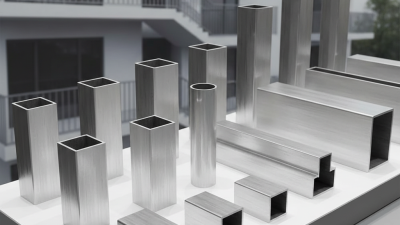
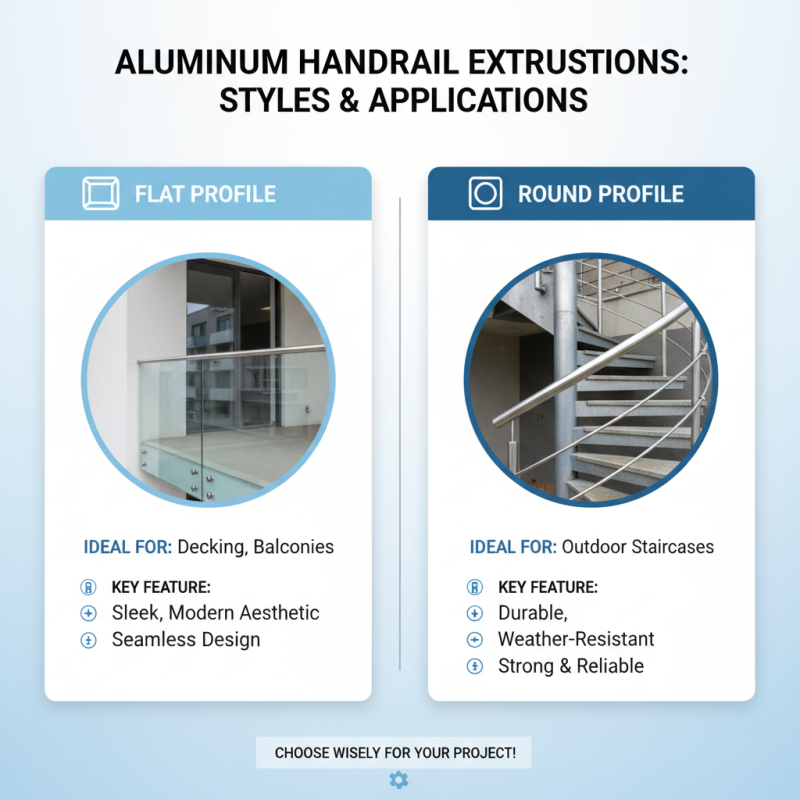
When choosing aluminium handrail extrusions, it's vital to understand the different types and their specific applications. Let's explore some common styles. For instance, a flat profile is often chosen for decking or balcony areas. Its sleek design fits seamlessly with modern aesthetics. Meanwhile, the round profile provides durability and is popular for outdoor staircases. This type can handle the elements well but may not fit every design.
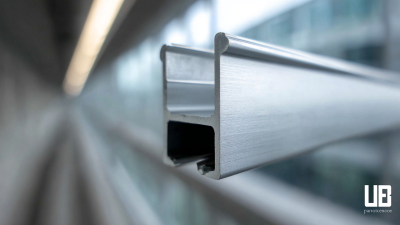
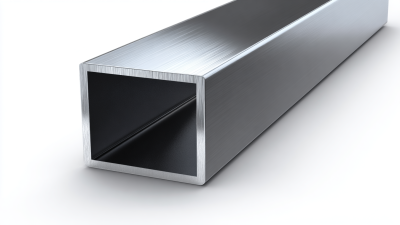
T-section extrusions offer versatility. They can be used in commercial spaces or residential projects. This style allows for easy integration with glass panels. However, it might require more maintenance compared to simpler designs. Another option is the square profile, which is prevalent in both indoor and outdoor settings. The sturdy shape ensures longevity, but it could look bulky in a minimalist design.
Think about your project requirements when selecting. It can be tempting to choose based solely on appearance. Functionality is equally essential. Remember, not every extrusion suits every application. Consider weather conditions, load requirements, and aesthetic appeal. Reflecting on these aspects can save time and resources in the long run.
Factors Influencing the Selection of Aluminium Handrail Extrusions
When selecting aluminium handrail extrusions, several factors come into play. The strength of the material is crucial. According to industry data, aluminium can offer a strength-to-weight ratio that far exceeds other metals. This property ensures durability while keeping installations lightweight. A more robust handrail will withstand weathering and user pressure over time.
Another important consideration is the finish of the extrusion. Anodized aluminium provides superior corrosion resistance. Reports indicate that anodized surfaces can increase longevity by up to 30%. However, sometimes the finish may not age well. In environments with high humidity or salt exposure, even anodized options can deteriorate. Users must reflect on their specific environment when making this choice.
Cost is undeniably a factor, too. Higher-quality extrusions may cost more upfront but can save money on maintenance in the long run. The market shows that lower-cost options often lead to increased repairs. It’s essential to weigh these long-term implications against initial expenses. Seek a balance between quality and budget, to avoid regret in future performance.
Maintenance and Durability Considerations for Aluminium Handrails
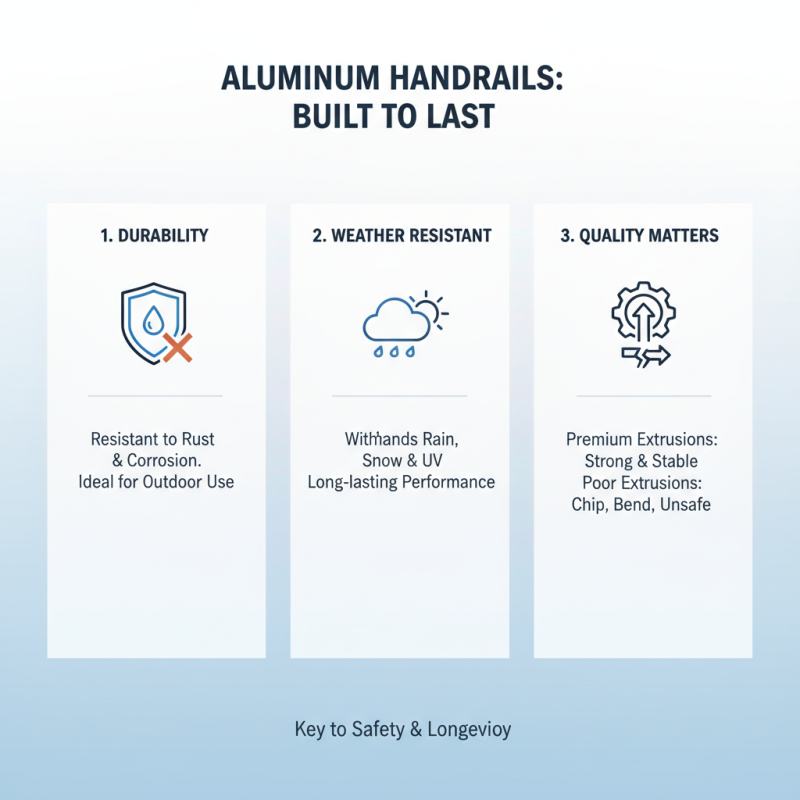
When considering aluminium handrails, durability is key. Aluminium is known for its resistance to rust and corrosion. This makes it ideal for outdoor use, especially in challenging weather conditions. However, the quality of the extrusion matters significantly. Poorly manufactured extrusions may not withstand the test of time. They can chip or bend under pressure, leading to safety issues.
Regular maintenance can enhance the lifespan of aluminium handrails. Cleaning them with soapy water is effective. A gentle scrub will remove dirt and debris. Over time, you might notice oxidation forming on the surface. It's important to address this promptly. Light sanding and a fresh coat of paint can rejuvenate the appearance. Some people overlook these simple tasks, which can lead to bigger problems later.
Another aspect to consider is the installation. A poorly installed handrail might compromise its durability. Ensuring proper anchoring and alignment is crucial. Not all installations are created equal. Some may face issues like wobbling or detachment. Taking time to evaluate the installation process can prevent future headaches. Investing in quality installation pays off in the long run.
Cost Analysis: Budgeting for Aluminium Handrail Extrusion Projects
Budgeting for aluminium handrail extrusion projects requires careful planning. Start by obtaining quotes from multiple suppliers. Prices can fluctuate based on material quality, size, and design complexity. It’s wise to ensure that you're clear on the specifications you need. While cheaper options may seem appealing, they might not provide the strength or durability needed for safety.
Consider additional costs, such as installation and maintenance. Hiring skilled labor can increase your budget significantly. It’s also important to factor in the potential need for custom designs. Custom extrusions often come with higher costs. Remember, upfront savings can lead to larger expenses in the long run if materials fail.
Don’t forget to assess the long-term benefits of quality materials. Investing more initially may save money over time. Look into warranties and durability ratings. These can provide insights into the overall value. Reflect on your choices and how they impact not only your budget but also safety and aesthetics. Each decision you make shapes the final outcome of your project.