Essential Tips for Choosing Extrusion Aluminum Profiles?
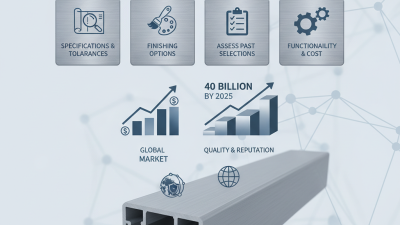
Choosing the right Extrusion Aluminum Profiles is crucial for many industries. According to a report by Grand View Research, the global aluminum extrusion market is projected to reach $120 billion by 2025. This underscores the importance of selecting top-quality profiles to ensure strength and durability in applications. Not all extrusion profiles meet the same standards. Some might underperform, leading to project delays and increased costs.
An appropriate extrusion profile can dramatically impact the efficiency of manufacturing processes. Profiles that are lightweight yet strong are often preferred. However, not every supplier offers this balance. A common pitfall is focusing solely on price, neglecting quality. This could result in selecting profiles that do not last or underperform.
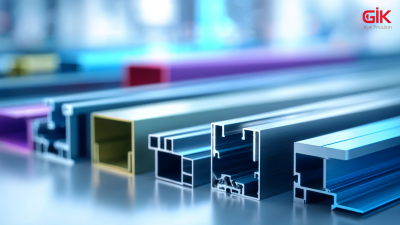
Furthermore, understanding specific project needs is key. Extrusion Aluminum Profiles come in various shapes and sizes. The one-size-fits-all approach rarely works. Industry professionals should evaluate the material properties, surface finishes, and customization options. Making an informed choice requires a comprehensive assessment of these factors to avoid potential setbacks in projects. In this fast-evolving market, staying updated on trends and innovations can lead to better choices.
Understanding the Basics of Extrusion Aluminum Profiles
When selecting extrusion aluminum profiles, it's vital to grasp their fundamental aspects.
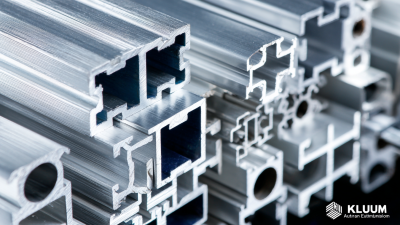
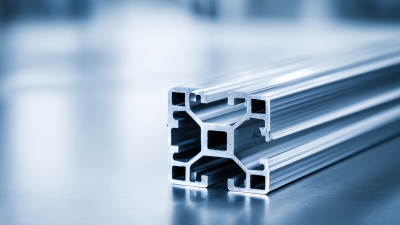
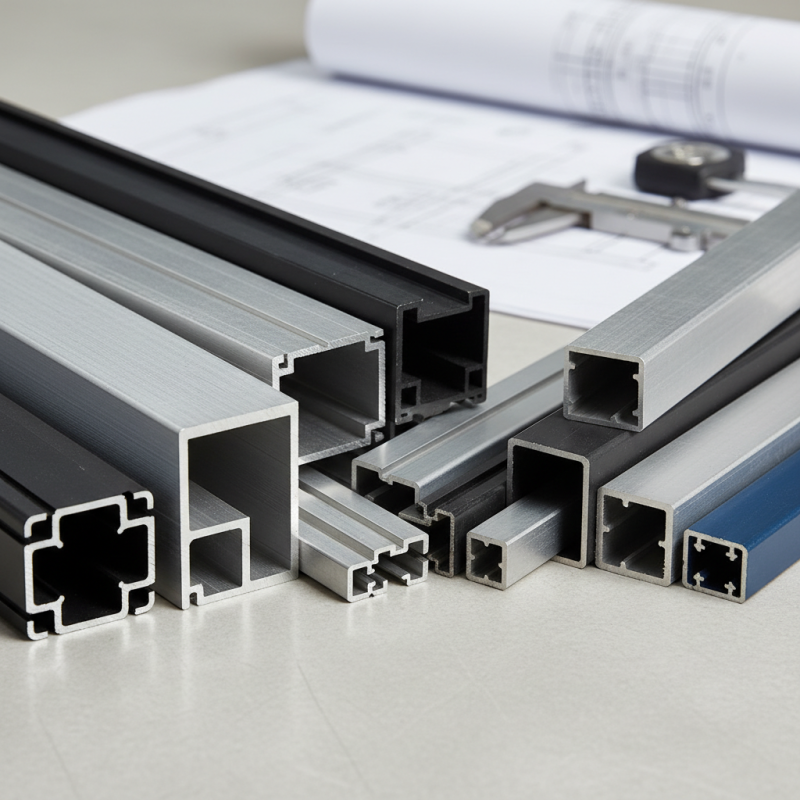
These profiles are created by forcing aluminum through a die, resulting in various shapes. This process offers unique advantages, such as lightweight strength and high versatility.
Aluminum profiles are widely used in construction, transportation, and manufacturing, reflecting their broad applicability.
Consider the intended use of the profile carefully. Not all shapes suit every application. For instance, certain designs might be better for structural support, while others fit aesthetics.
Reflect on performance needs. Cold weather conditions can impact aluminum. In these cases, ensure that the chosen profile can withstand environmental challenges.
Tip: Always review the specifications. Examine the dimensions, weight, and finish. A small oversight can lead to severe project delays or product failures.
Compare different profiles before making a decision. Sometimes, the best choice isn't the most obvious one, and exploring alternatives may reveal hidden benefits.
Engaging with experts may also reveal insights you hadn't considered.
Key Factors to Consider When Selecting Aluminum Profiles
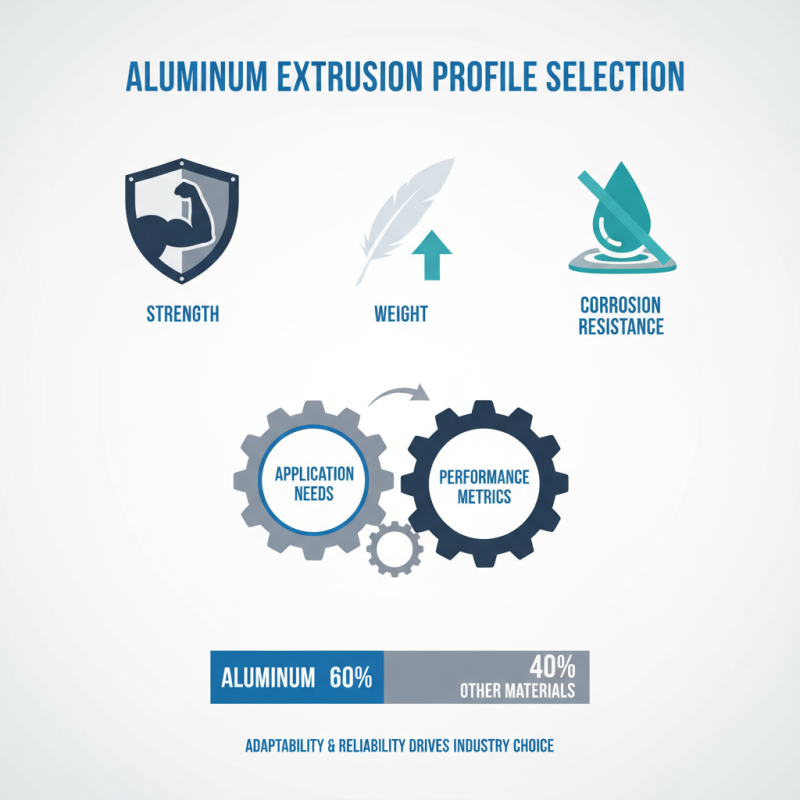
When selecting aluminum profiles for extrusion, several key factors come into play. It's vital to assess the specific application needs. For instance, weight, strength, and corrosion resistance are important. The Aluminum Association reports that aluminum accounts for 60% of material choices in various industries. This highlights its adaptability and performance metrics.
Tips for selecting aluminum profiles focus on material properties. Consider the alloy series. 6000 series offers great weldability and corrosion resistance for structural applications. In contrast, 7000 series is known for its higher strength, suitable for aerospace components. Evaluate the profile’s finish too. Anodizing can enhance wear resistance and aesthetics.
Don’t overlook your supplier's capabilities. Ensure they provide precise tolerances. Some manufacturers might have limitations. A recent study by the International Aluminum Institute indicated that companies are pushing for greater customization in profiles. This trend emphasizes the importance of clear communication about your needs. Poor specifications can lead to delays and increased costs.
Evaluating Quality and Strength in Aluminum Profile Options
When selecting aluminum profiles, evaluating quality and strength is key. The performance of these materials significantly impacts the final product's durability. According to a recent industry report, nearly 70% of structural failures in construction relate to inadequate material quality. That statistic highlights the need for careful selection.
Focus on alloy types that offer both strength and workability. Common choices include 6061 and 6063 series. The Mechanical Properties document indicates that 6061 has yield strength up to 35,000 psi, while 6063 offers approximately 27,000 psi. Knowing these figures helps in balancing needs against costs. It’s crucial to remember that just because a profile looks strong, it doesn't mean it is.
Examine certification and testing data as well. Independent tests reveal that profiles with proper certifications often exceed minimum strength criteria by 15-20%. However, many suppliers may not provide complete data. Confirming these details can be a tedious process. It's essential to dig deeper rather than accepting first claims. A thorough check can save future headaches.
Essential Tips for Choosing Extrusion Aluminum Profiles
| Feature |
Description |
Importance |
| Material Grade |
Choose high-quality aluminum alloys such as 6061 or 6063 for strength and corrosion resistance. |
High |
| Wall Thickness |
Consider thicker walls for enhanced structural integrity depending on application. |
Medium |
| Surface Finish |
Options include anodizing, painting, or powder coating to improve durability and aesthetics. |
High |
| Load Capacity |
Ensure the extrusion can support the required weight for your application. |
Critical |
| Customization Options |
Check for flexibility in shapes and sizes to meet specific design needs. |
Medium |
| Delivery Time |
Consider lead times on production for project timeline planning. |
Medium |
| Cost |
Balance cost with quality to ensure value for your investment. |
High |
Common Applications of Extrusion Aluminum Profiles
Extrusion aluminum profiles are pivotal in various industries. Their lightweight and strength make them ideal. Common applications include construction, automotive, and packaging. In construction, aluminum profiles are used for window frames and facades. According to a 2021 industry report, over 30% of architectural applications utilize aluminum extrusions.
In the automotive sector, these profiles contribute to safer, more fuel-efficient vehicles. They are used in body structures, trim, and roofing. The global automotive aluminum market is expected to grow by 10% per year until 2025. However, not all profiles are suitable for every application. The quality of extrusion can vary greatly among manufacturers.
Packaging also benefits from aluminum profiles, especially for food and beverage products. They offer protection and lightweight solutions. Yet, the production of these profiles can sometimes lead to environmental concerns. Choices need careful consideration. Balancing efficiency and sustainability is critical.
Sourcing Reliable Suppliers for Aluminum Profiles
When sourcing reliable suppliers for aluminum profiles, several key factors must be considered. Researching potential suppliers is essential. Look for companies with a strong track record. You may find reviews online or ask others for recommendations. This initial step is crucial.
Consider the quality of materials used. Not all suppliers offer the same standards. Ask for samples to assess durability and finish. It’s wise to examine how a supplier handles inquiries. A responsive team indicates good customer service.
When evaluating suppliers, check their certifications. This can provide assurances about their production practices. Don’t hesitate to discuss their manufacturing processes. Understanding how they operate can help mitigate risks. Always keep an open line of communication. If issues arise, a good supplier will be willing to work through them. Observing these tips will guide you toward a reliable partnership in sourcing aluminum profiles.
Extrusion Aluminum Profiles: Supplier Evaluation Criteria