Top Tips for Choosing Insulated Aluminum Profiles?
Choosing the right Insulated Aluminum Profiles is crucial for modern construction. John Smith, a renowned expert in building materials, says, "The right profile can make or break a project." His insights emphasize the importance of quality and performance in this industry.
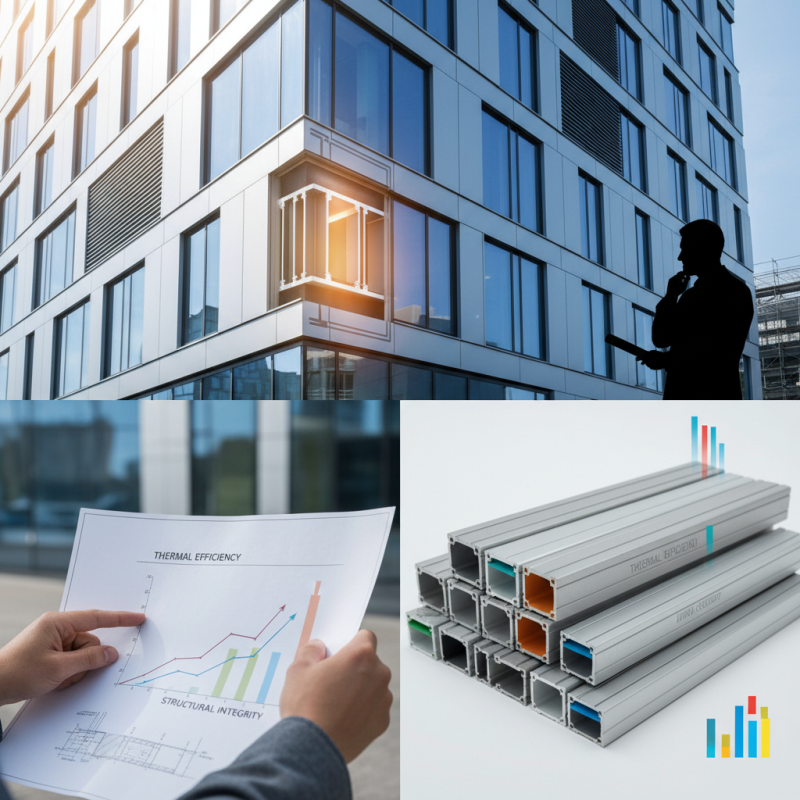
Insulated Aluminum Profiles provide thermal efficiency and structural integrity. They are essential in energy-efficient buildings. However, selecting the best profiles can be tricky. Different projects may require various specifications. Not every profile offers the same performance rates. Research is critical.
Understanding product ratings and materials is essential. It would help if you considered factors such as durability and insulation properties. A common mistake is to overlook product certifications or warranty details. Investing time in research can lead to better outcomes. The right choice in Insulated Aluminum Profiles can enhance a building's longevity and energy efficiency.
Understanding Insulated Aluminum Profiles: A Key Overview
Insulated aluminum profiles play a crucial role in modern construction. These profiles serve as energy-efficient barriers, reducing heat transfer between interior and exterior environments. According to recent industry data, the use of insulated aluminum profiles can lead to energy savings of up to 30%. This makes them increasingly popular in residential and commercial applications.
When selecting insulated aluminum profiles, consider crucial factors like thermal performance, structural integrity, and weather resistance. The insulating materials used can vary significantly, impacting energy efficiency. For instance, profiles with polyamide separation have shown superior insulation capabilities compared to those with less effective materials. Moreover, verifying the manufacturing standards can further ensure reliability and performance.
Installation practices and design choices also significantly affect the overall benefits of insulated profiles. Proper sealing and finishing techniques are essential for optimal insulation performance. Even minor installation errors can compromise energy efficiency and durability. Engaging with experienced professionals can mitigate these risks and enhance the expected performance of the insulated aluminum profiles in your project.
Top Tips for Choosing Insulated Aluminum Profiles
Factors to Consider When Selecting Insulated Aluminum Profiles
When selecting insulated aluminum profiles, several factors warrant attention. Thermal performance stands out as vital. Insulated aluminum profiles typically achieve U-values between 0.9 and 1.5 W/m²K. A lower U-value indicates better insulation, resulting in energy conservation. This is critical for compliance with energy efficiency standards in many regions.
Another important consideration is the profile’s structural integrity. Profiles should withstand various environmental conditions. According to industry studies, failures often occur when profiles are not engineered for specific loads. It's essential to evaluate design specifications and load requirements. Proper testing can help identify potential weaknesses in less established profiles.
Moreover, the aesthetic aspect should not be overlooked. The finish of insulated aluminum profiles impacts both design and maintenance. Profiles can be coated or anodized for enhanced durability. However, cheaper finishes could lead to accelerated wear. Invest in quality finishes to ensure longevity. Assessing these factors aids in making informed selections and avoiding common pitfalls.
Comparing Different Types of Insulated Aluminum Profiles
When selecting insulated aluminum profiles, it’s essential to compare different types. Each variety has unique characteristics that impact thermal performance, structural integrity, and energy efficiency. For instance, studies reveal that thermally broken aluminum profiles can reduce heat transfer by up to 65%. This is significant for energy savings in buildings.
Additionally, the integration of polyamide was observed in high-performance insulated profiles. This method can enhance insulation performance significantly. Research indicates that using profiles with varying insulation materials leads to striking differences in energy consumption. Choosing the right profile involves understanding these differences and their implications for long-term sustainability.
Many clients overlook the weight of insulated profiles, which can differ widely among types. Profiles that are too heavy may offer strength, but can complicate installation. On the other hand, lightweight profiles may simplify the building process but compromise structural durability. Finding a balance requires careful consideration and sometimes trial and error, reflecting the complexities of the selection process.
Top Tips for Choosing Insulated Aluminum Profiles
| Profile Type |
Thermal Conductivity (W/m·K) |
Insulation Material |
Applications |
Cost per Meter ($) |
| Thermal Break Profile |
0.15 |
Polyamide |
Windows, Doors |
30 |
| Structural Insulated Profile |
0.12 |
Polyurethane |
Curtain Walls, Facades |
45 |
| Insulated Aluminium Composite |
0.18 |
EPS |
Partitions, Panels |
25 |
| Insulated Rail Profile |
0.10 |
Mineral Wool |
Railings, Balconies |
50 |
The Importance of Energy Efficiency in Insulated Aluminum Profiles
When selecting insulated aluminum profiles, energy efficiency stands at the forefront. Insulated aluminum profiles help maintain thermal comfort in buildings. They create a barrier that reduces heat transfer, enhancing overall energy savings. This aspect is paramount not only for lowering utility bills but also for minimizing environmental impact.
Choosing the right insulated profiles involves understanding thermal performance ratings. A profile with a high thermal break can significantly reduce energy loss. This can lead to sustainable building practices. However, some options might look appealing but fail to deliver substantial energy savings. It’s essential to verify their performance data before making a choice.
The installation of insulated aluminum profiles can influence energy efficiency too. Poorly installed profiles may lead to drafts or leaks, impacting their effectiveness. Be wary of shortcuts during installation, as they can compromise the benefits. Therefore, proper installation and careful selection play vital roles in optimizing energy efficiency.
Common Applications and Benefits of Insulated Aluminum Profiles
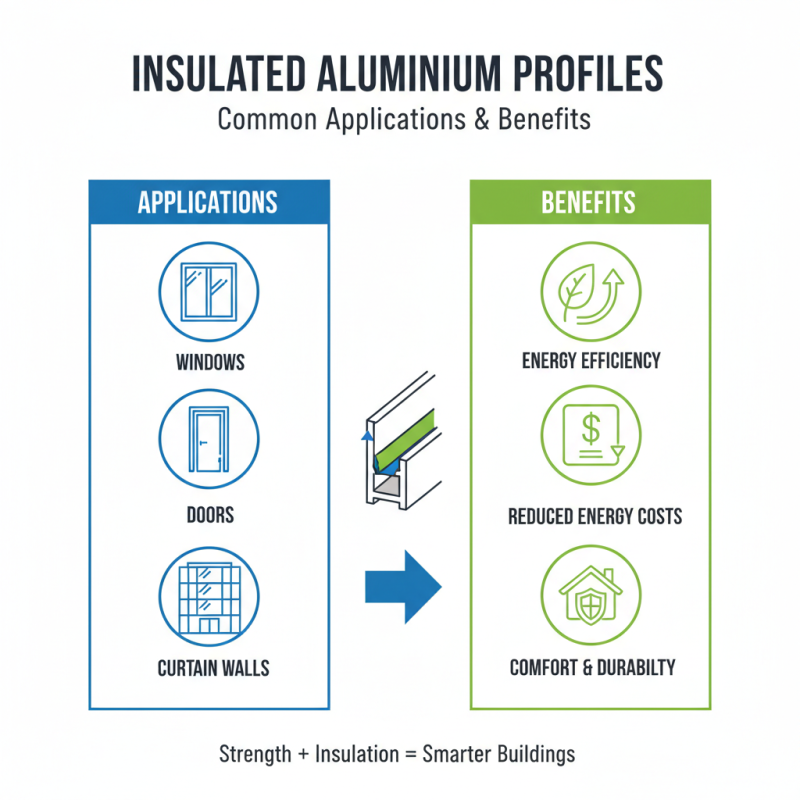
Insulated aluminum profiles are widely used in construction and manufacturing. Their primary applications include windows, doors, and curtain walls. The combination of aluminum's strength and insulation properties enhances energy efficiency. Buildings that use these profiles often experience reduced energy costs. This can be a significant advantage in both residential and commercial settings.
The benefits of insulated aluminum profiles extend beyond energy saving. They provide excellent thermal performance, which is crucial in extreme climates. This can contribute to a more comfortable indoor environment. However, selecting the right profile requires understanding the project needs. The insulation material, for example, plays a crucial role in the overall efficiency. It’s essential to consider the local climate when choosing insulation types.
While insulated aluminum profiles have numerous advantages, there can be drawbacks. Installation can be complex and may require specialized skills. Misalignment during installation can lead to performance issues. Always ensure that the contractors are experienced. Inexperienced installations can negate benefits. Proper planning and execution are vital for maximizing the efficiency of insulated aluminum systems.