Top Tips for Choosing Thermal Break Aluminium Profiles?
Choosing the right Thermal Break Aluminium Profiles can define the success of a construction project. Industry expert John Smith once remarked, "The right profile can make all the difference in energy efficiency." His insight highlights the importance of selecting suitable materials for thermal performance.
Thermal Break Aluminium Profiles play a crucial role in insulating buildings and reducing energy costs. These profiles prevent heat transfer, making spaces more comfortable. However, many overlook details like profile thickness, design, and manufacture quality. Each factor can significantly impact overall effectiveness.
In choosing the right profiles, it's essential to balance cost and performance. Many options exist in the market, but not all are created equal. Consideration must be given to specific project needs. It's this thoughtful approach that can lead to lasting benefits and improved energy outcomes.
Understanding Thermal Break Aluminium Profiles and Their Benefits
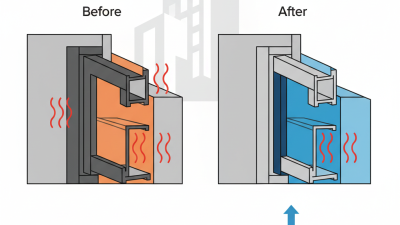
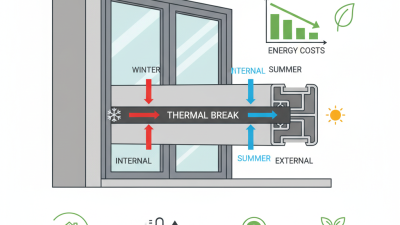
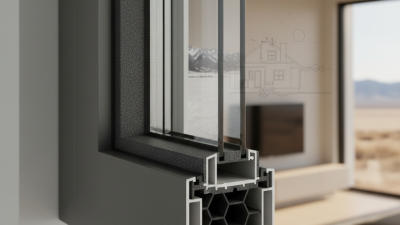
Understanding thermal break aluminium profiles is crucial for numerous construction projects. These profiles use a plastic strip to break the thermal conductivity between the interior and exterior. This innovative design minimizes heat transfer, enhancing energy efficiency. They keep your interiors warmer in winter and cooler in summer. As a result, they substantially reduce energy costs. Many also enjoy improved comfort due to fewer drafts.
Choosing the right thermal break profile involves considering specific needs. Look for profiles with high insulation values. They should match your building's architectural style. Factor in weather conditions too. A rugged design can withstand storms, while more subtle profiles may suit residential buildings. It's essential to ensure quality. Poorly made profiles can lead to condensation issues, impacting the building’s health. Conducting thorough research and assessing your environment can help streamline this process. Making informed choices will pay dividends over time.
Top Tips for Choosing Thermal Break Aluminium Profiles
This chart illustrates the importance of various factors to consider when choosing thermal break aluminium profiles. Durability tops the list, followed by insulation performance, cost efficiency, design flexibility, and maintenance needs. These insights can guide decision-making for optimal thermal performance and efficiency.
Key Factors to Consider When Selecting Thermal Break Aluminium Profiles
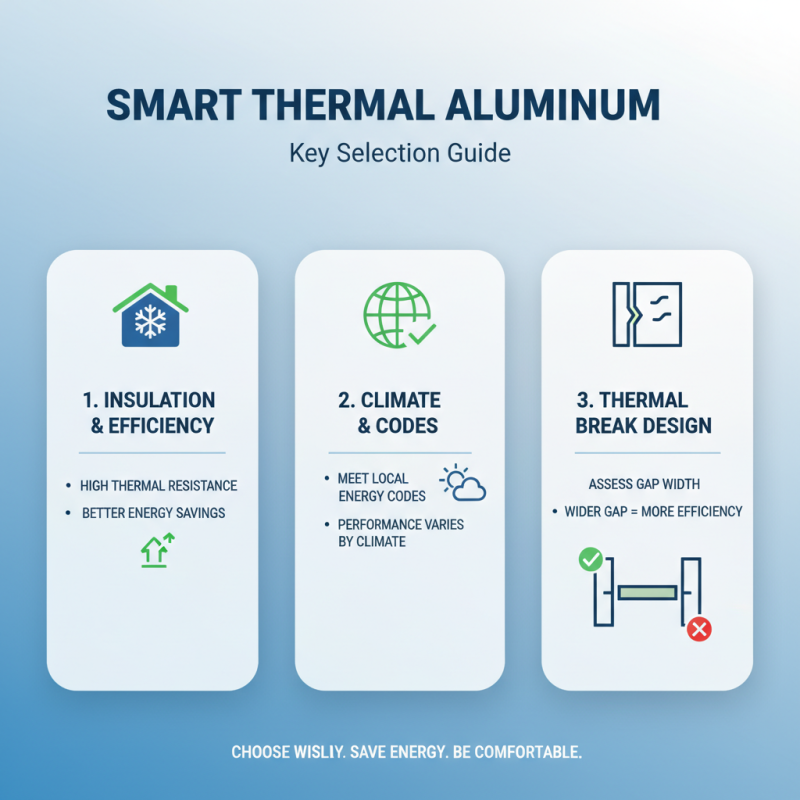
When selecting thermal break aluminium profiles, it's crucial to assess the insulation properties. Look for profiles with high thermal resistance. This ensures better energy efficiency in your building. Check if the profiles meet local energy codes. Not all products perform equally well in various climates. The thermal break design can vary. Sometimes, the gap is narrow, compromising efficiency.
Durability is another factor to consider. The profiles should withstand environmental stresses. Heavy rain, heat, and cold can affect their performance. Think about how long you want the profiles to last. Some may offer lower upfront costs but fail in the long run. Look for reviews or tests that show their lifespan. It’s important to focus on quality over price.
Aesthetics also play a role. Profiles should complement your design vision. Consider the color and finish that would suit your project. In some cases, the available options may not align with your preferences. You might face a trade-off between style and utility. Always weigh these aspects carefully to ensure you’re making the right choice.
Different Types of Thermal Break Aluminium Profiles Explained
When exploring thermal break aluminium profiles, it's important to understand the various types available. Common types include polyamide and polyurethane profiles. Polyamide profiles are known for their thermal insulation properties. They are often cost-effective and widely used in commercial buildings. Polyurethane profiles provide superior insulation, making them ideal for energy-efficient homes.
Each type has distinct attributes. For instance, polyamide is lightweight and easier to install. However, it may not be suitable for extreme weather conditions. Polyurethane, while providing excellent insulation, can be heavier and more expensive. This can affect design choices and installation methods.
Choosing the right profile requires careful consideration of your project's needs. Reflect on your local climate. Are you in a region that experiences harsh winters or hot summers? Your choice of profile should align with these factors. Pay attention to the specific thermal performance ratings as well. Not all profiles are created equal. Make sure you understand the differences before making a decision.
Quality Standards and Certification for Thermal Break Aluminium Profiles
When selecting thermal break aluminium profiles, quality standards and certifications are crucial. They ensure the product meets performance requirements, enhancing energy efficiency in buildings. According to a recent industry report, profiles that comply with recognized standards can improve insulation by up to 35%. This data emphasizes the importance of choosing profiles that are certified by organizations like ISO or other relevant local bodies.
Tip: Always check for certifications before purchasing. Look for profiles that have passed rigorous testing. This guarantees both safety and efficiency. It's essential to be cautious here; not all profiles perform as claimed. Some may lack proper documentation.
Additionally, consider the sustainability aspect. Certified profiles not only save energy but also reduce carbon footprints. According to a 2022 study, buildings using certified thermal break aluminium can decrease energy consumption by approximately 20%. This is significant for long-term savings and environmental impact.
Tip: Ensure the supplier provides detailed performance data. Transparency is vital. If data is lacking or ambiguous, seek alternatives. Relying on unverified products can lead to costly mistakes in the future.
Installation and Maintenance Tips for Thermal Break Aluminium Profiles
When installing thermal break aluminium profiles, proper techniques are critical. These profiles can reduce thermal transmittance by up to 70%, significantly improving energy efficiency. However, installation errors can compromise these benefits. Ensure profiles are aligned correctly during installation. Misalignment can lead to gaps. Such gaps may allow cold air to seep indoors, defeating the purpose.
Maintenance is just as important. Regular inspections help identify issues early. Look for signs of wear or damage, especially around joints or seals. A simple visual check can save you money in the long run. According to industry reports, over 30% of thermal break systems fail due to insufficient maintenance. Cleaning the profiles with mild detergents ensures longevity. Harsh chemicals can degrade the materials, leading to premature failure.
It's crucial to listen to feedback from installation teams. They often highlight challenges not covered in manuals. Adapting your approach based on their experiences can lead to better outcomes. Training sessions for maintenance staff can further enhance efficiency. Understanding common pitfalls is essential. Operations without regular training may overlook critical maintenance steps.