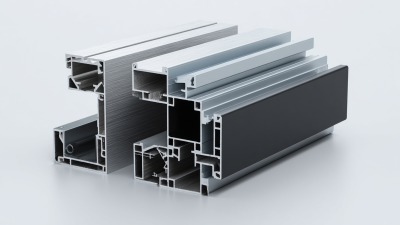
2025 Top 5 Facade Aluminium Profiles for Stunning Architectural Designs
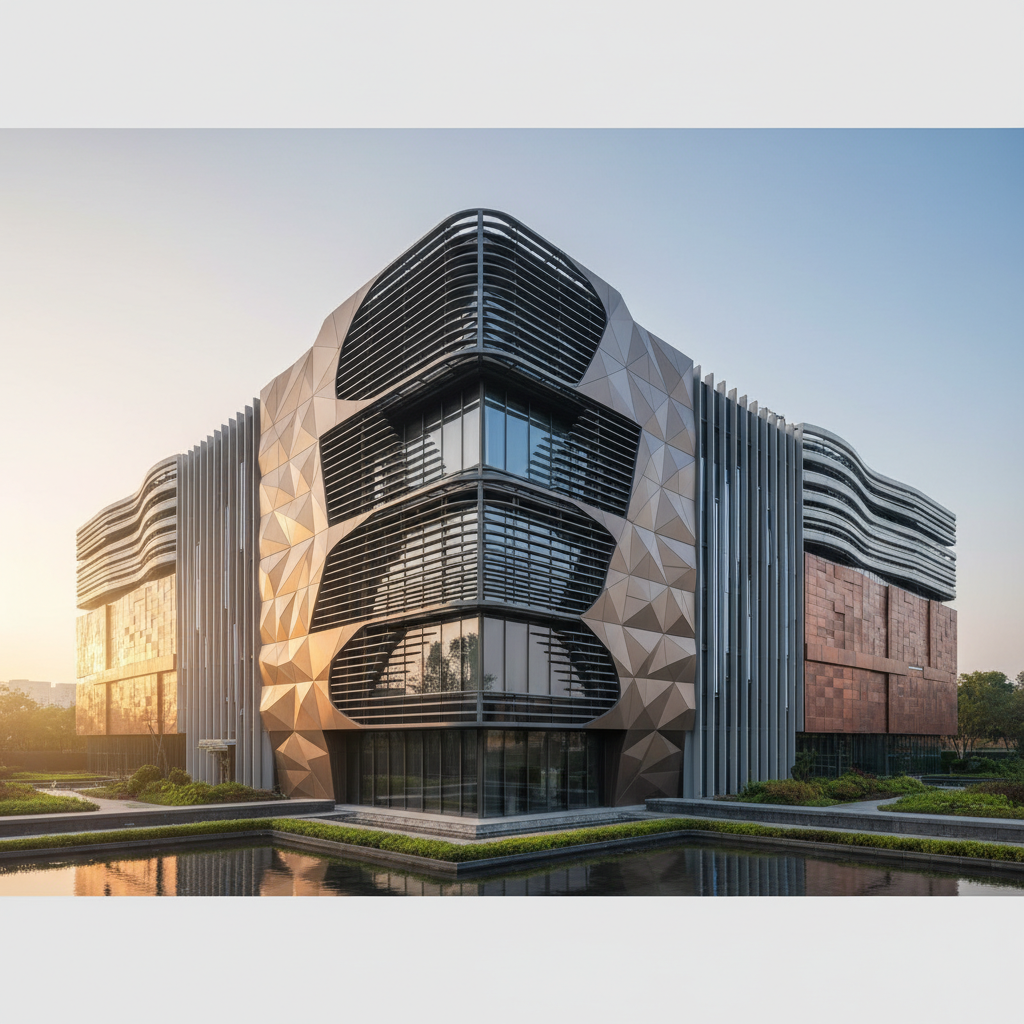
In the realm of modern architecture, the choice of materials plays a pivotal role in not just aesthetics, but also in functionality and sustainability. Facade Aluminium Profiles have emerged as a leading choice among architects and designers striving to create stunning buildings that stand out while also meeting the demands of the contemporary environment. According to John Smith, a renowned expert in facade design and development, “The right aluminium profile can transform a building, giving it a unique character while ensuring durability and energy efficiency.”
As we approach 2025, the architectural landscape is set to evolve, with innovative Facade Aluminium Profiles leading the charge in design versatility and structural integrity. These profiles not only serve a practical purpose in protecting buildings from the elements but also contribute significantly to their visual impact. With advancements in technology and materials science, architects have unprecedented opportunities to enhance their designs, creating striking facades that reflect their artistic vision.
In this article, we will explore the top five Facade Aluminium Profiles that are poised to define architectural designs in 2025, highlighting their distinctive features and the creative possibilities they offer. By examining these profiles, we provide insight into how they can be utilized to achieve remarkable architectural outcomes, marrying form and function seamlessly.
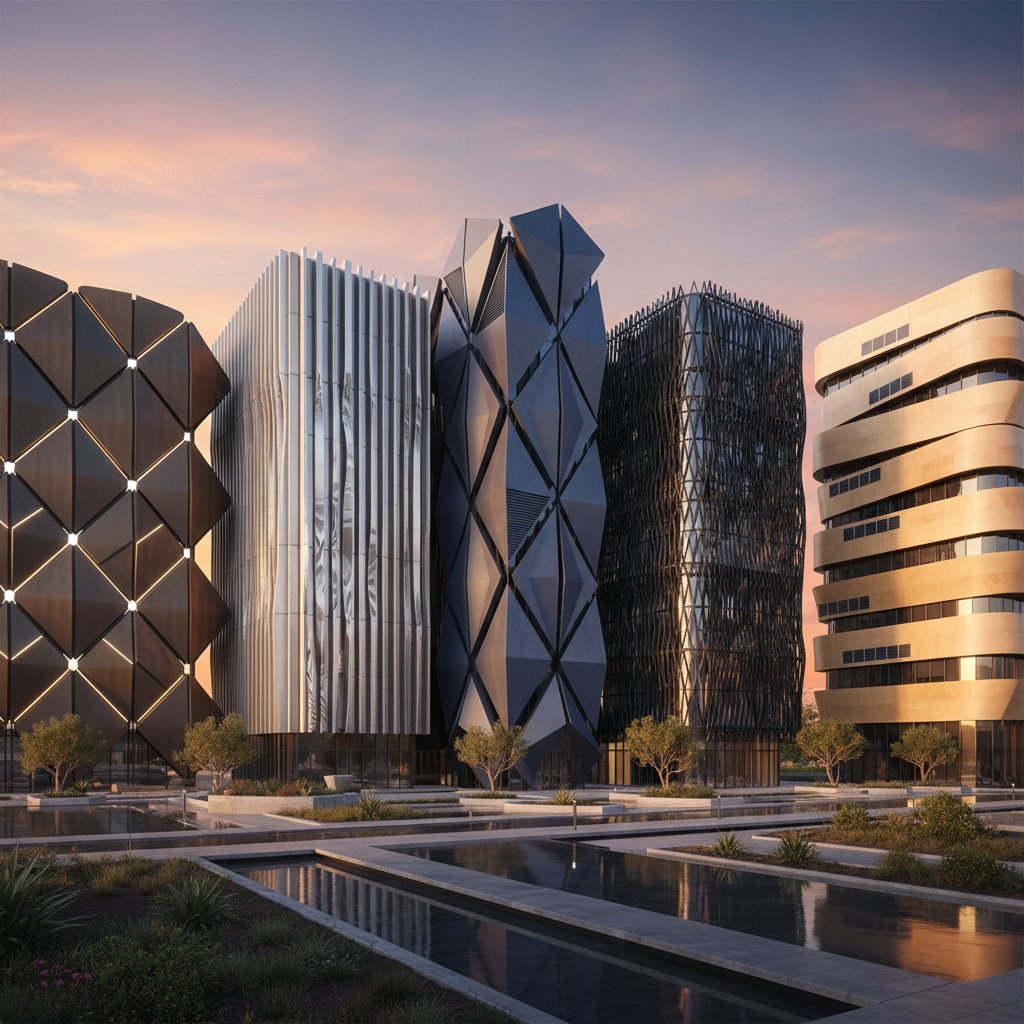
Innovative Features of 2025's Top Aluminium Facade Profiles
The architectural landscape is evolving, with innovative aluminium facade profiles leading the charge. The upcoming 2025 showcase will highlight five of the most dynamic profiles that promise to redefine the aesthetics of modern buildings. Among the notable products, the new 0.7mm aluminium louver system is designed to enhance airflow while offering superior durability. This product aims to capture a significant market share by combining functionality with eye-catching design, catering to the diverse needs of contemporary architecture.
In addition to the louvers, the introduction of sleek new batten profiles—available in 40mm and 25mm widths—reflects a growing trend towards minimalist design. These profiles not only provide structural integrity but also enhance the visual appeal of residential and commercial spaces. As designers look for materials that balance strength and beauty, these innovative aluminium facade profiles are set to play a crucial role in achieving stunning architectural designs, making them a focus at the upcoming expo.
Aesthetic Versatility: Choosing the Right Aluminium Profile for Your Design
When it comes to architectural designs, selecting the right aluminium profile is crucial to achieving aesthetic versatility. Aluminium profiles not only enhance the visual appeal of a building but also contribute to its functionality and durability. With a plethora of options available, choosing the right profile can transform a standard structure into a breathtaking masterpiece.
**Tips:** Consider the architectural style of the building first. A modern minimalist approach may benefit from sleek, straight profiles, while a more traditional design could be complemented by profiles with intricate detailing. Additionally, think about the finish – matte or glossy – as this can dramatically affect the overall aesthetic.
One of the key aspects of selecting aluminium profiles is their ability to harmonize with surrounding materials. Whether you're looking for a bold statement or a subtle enhancement, it's important to ensure that the profiles you choose complement not only the design of the building but also the environment. Using profiles that integrate well with glass, wood, or stone can lead to a cohesive look that stands out beautifully.
**Tips:** Always consider sustainability in your choices. Opt for recycled aluminium profiles which can align with eco-friendly practices while still offering a wide range of design options.
2025 Top 5 Facade Aluminium Profiles for Stunning Architectural Designs
| Profile Name |
Dimension (mm) |
Weight (kg/m) |
Finish Options |
Applications |
| Profile A |
150 x 50 |
3.5 |
Anodized, Powder Coated |
Commercial Buildings, Facades |
| Profile B |
200 x 70 |
4.2 |
Natural, Brushed |
Residential Facades, Windows |
| Profile C |
120 x 60 |
2.8 |
Painted, Mill Finish |
Curtain Walls, Screening |
| Profile D |
250 x 50 |
5.0 |
Textured, Glossy |
High-Rise Buildings, Cladding |
| Profile E |
180 x 45 |
3.0 |
Powder Coated, Anodized |
Commercial, Institutional |
Sustainability in Architecture: Eco-Friendly Aluminium Profile Options
Sustainability has become a crucial element in modern architectural practices, pushing architects and builders to seek innovative materials that not only enhance aesthetics but also minimize environmental impact.
Aluminium profiles stand out as a top choice due to their lightweight, durability, and recyclability. By opting for eco-friendly aluminium profiles, architects can create stunning facades while contributing to a greener future.
These sustainable aluminium options ensure reduced energy consumption during production, and their long life cycle means fewer resources are needed for replacements. Designers can incorporate these profiles into various architectural styles, from sleek modern buildings to classic designs, without compromising their vision for sustainability. Furthermore, advancements in eco-coating technologies allow for finishes that enhance performance and reduce maintenance, making these profiles an ideal choice for contemporary urban landscapes.
Installation and Maintenance Best Practices for Aluminium Facade Systems
When it comes to installing aluminum facade systems, best practices focus on ensuring durability and aesthetic appeal while adhering to safety standards. Recent industry reports emphasize the importance of selecting high-quality materials that are not only lightweight and flexible but also environmentally sustainable. Aluminum cladding has surged in popularity due to its ability to reduce overall building weight, which can lead to savings in the structural framework and foundation.
**Tips for Installation:**
1. Ensure proper sealing and waterproofing during installation to prevent moisture infiltration that could lead to corrosion.
2. Consider using thermal breaks in the installation process to enhance energy efficiency and reduce heat transfer.
Maintenance of aluminum facade systems is crucial for longevity and performance. Regular inspections should be conducted to identify signs of wear or damage, particularly in high-traffic or extreme weather areas. Proper cleaning methods and protective coatings can further extend the lifespan of these fixtures. Sustainable practices, such as choosing eco-friendly finishes and coatings, can not only improve aesthetics but also contribute positively to the environmental footprint of a project.
**Tips for Maintenance:**
1. Use non-abrasive cleaning materials to avoid scratching the surface.
2. Schedule maintenance checks at least twice a year to proactively manage potential issues, particularly after severe weather events.
2025 Top 5 Facade Aluminium Profiles
This chart showcases the top 5 facade aluminium profiles selected for stunning architectural designs in 2025. The profiles are evaluated based on their thermal efficiency, aesthetic appeal, weight, cost-effectiveness, and ease of installation.
Future Trends in Facade Design: What to Expect Beyond 2025
As we look beyond 2025, the trends in facade design are poised to evolve dramatically, driven by advancements in materials and sustainable practices. According to a report by Grand View Research, the global facade market is projected to reach USD 300 billion by 2027, growing at a CAGR of 8.1%. This growth is largely attributed to the increasing demand for energy-efficient buildings and the rise of green architecture. With architects and builders increasingly prioritizing sustainability, we can expect innovative facade systems that integrate natural materials and high-performance glazing, enhancing both aesthetic appeal and energy efficiency.
One of the significant trends we anticipate is the use of smart facades equipped with adaptive technologies. A study from the Architectural Institute of Japan indicates that buildings utilizing dynamic facades can reduce energy consumption by up to 35%. As smart technology becomes more integrated into building design, features such as photovoltaic panels, automated shading, and responsive materials will become the norm. This shift not only complements architectural beauty but also supports environmental goals, redefining how we perceive and interact with urban landscapes. As we move into a new era of architectural design, the fusion of technology and sustainability will undoubtedly be at the forefront of facade innovations.