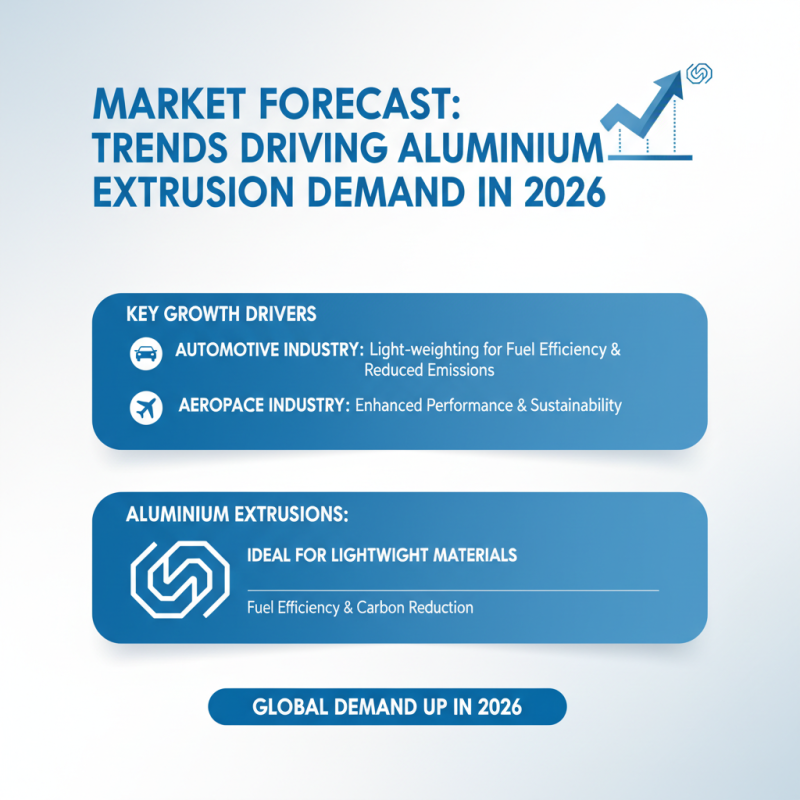
2026 Top Aluminium Extrusion Trends for Global Buyers?
The Aluminium Extrusion industry is evolving rapidly as we approach 2026. Industry expert Dr. Emily Chang states, “Innovation in Aluminium Extrusion will reshape manufacturing capabilities globally.” This sentiment reflects the ongoing shifts in technology, sustainability, and design trends.
Buyers around the world must stay informed about these trends. The push for lightweight materials and energy efficiency continues to be crucial. Aluminium Extrusion is at the forefront of this movement. Companies are exploring new alloys and methods to enhance product performance. As manufacturers innovate, we see both excitement and challenges within the sector.
Nevertheless, the journey isn't without its complexities. Issues like supply chain disruptions and environmental concerns arise. Responding to these demands requires adaptability and creativity. The Aluminium Extrusion landscape will not only impact industries like automotive and construction, but it also prompts reflection on our collective approach to sustainable production. Staying ahead means being open to change and ready to embrace new possibilities.

Developments in Aluminium Extrusion Technology for 2026
The aluminium extrusion industry is poised for significant advancements in 2026. With the global market projected to reach approximately $80 billion by 2025, developments in technology will play a crucial role in this growth. Automation and artificial intelligence are being integrated into extrusion processes, enhancing efficiency and reducing waste. According to a report by the Aluminium Association, automated systems can improve production rates by up to 30%.
Sustainable practices are increasingly important in aluminium production. Reports indicate that 90% of global aluminium production uses recycled materials. This shift not only conserves resources but also meets the rising demand for eco-friendly products. Enhanced recycling technologies are expected to further increase sustainability. However, challenges remain in achieving consistent quality from recycled aluminium, which requires ongoing research and development.
Furthermore, advancements in alloy compositions are influencing extrusions. New alloys provide better strength-to-weight ratios, making products lighter yet more durable. These innovations, documented in various industry studies, signify a trend toward higher performance applications in sectors like transportation and construction. As these technologies evolve, the need for skilled workers capable of managing complex extrusion processes will become even more essential.
2026 Top Aluminium Extrusion Trends for Global Buyers
| Trend |
Description |
Expected Impact |
Market Focus |
| Sustainability Initiatives |
Increased emphasis on sustainable aluminum sourcing and recycling. |
Reduction in carbon footprint for manufacturers. |
Construction, Automotive |
| Advanced Coatings |
Development of new coatings for enhanced durability and aesthetic appeal. |
Improved product longevity and surface finish. |
Consumer Electronics, Architecture |
| Smart Manufacturing |
Integration of IoT and automation in extrusion processes. |
Increased efficiency and lower production costs. |
Manufacturing, Industrial Equipment |
| Customization Demand |
Growing demand for customized aluminum extrusions across industries. |
Enhanced client satisfaction and competitive advantage. |
Automotive, Aerospace |
| Lightweighting |
Focus on producing lighter aluminum products for better fuel efficiency. |
Significant reduction in operational costs. |
Transportation, Aerospace |
Sustainability Practices in Aluminium Extrusion Industry by 2026
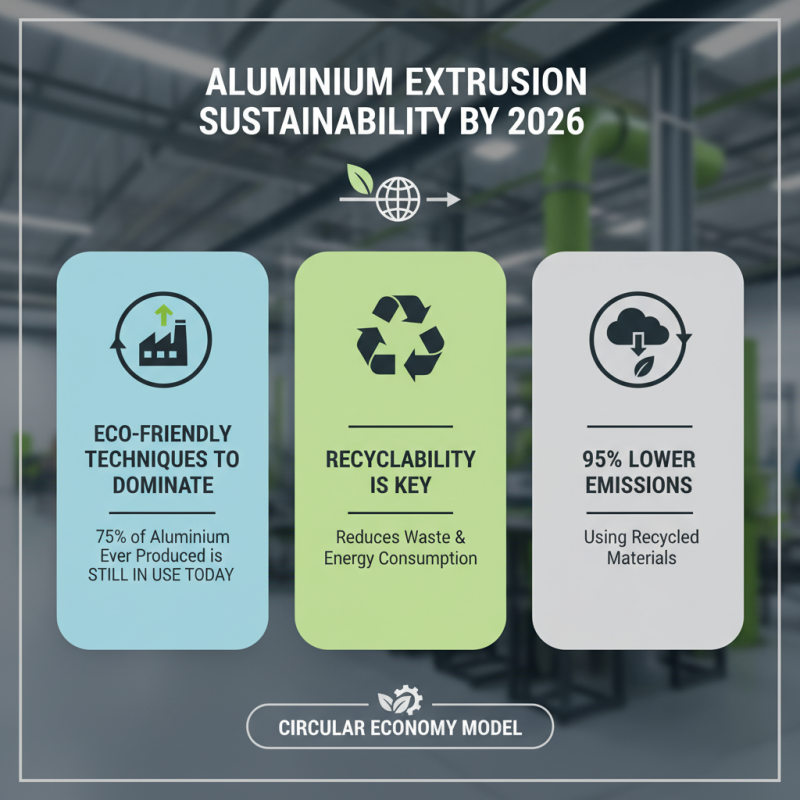
The aluminium extrusion industry is undergoing vital changes, particularly regarding sustainability practices. By 2026, eco-friendly techniques are expected to dominate. Research indicates that about 75% of aluminium produced is still in use today. This longevity is linked to its recyclability, which is crucial in reducing waste. Using recycled materials can lower emissions by 95%, which significantly impacts the environment.
Energy consumption in the extrusion process remains a challenge. Studies show that the industry is responsible for around 1% of global CO2 emissions. It is essential to explore renewable energy sources for production. Transitioning to cleaner energy could lead to a 30% reduction in carbon footprints across the sector. As consumers become more aware, the demand for sustainable solutions will rise.
Innovation in production techniques is necessary. Many companies are investing in upgrading their facilities to enhance efficiency. Yet, some still lag in implementing these advancements. This discrepancy highlights a need for industry-wide reflection. Adopting a culture of sustainability is vital. The aluminium industry has the potential to become a leader in green practices if the right steps are taken.
Emerging Markets and Their Impact on Aluminium Extrusion Supply Chains
Emerging markets are reshaping aluminium extrusion supply chains worldwide. Countries like India and Brazil are expanding their production capacities. According to industry reports, aluminium demand in these regions could grow by 6% annually through 2026. This rise is driven by increased infrastructure projects and automotive manufacturing.
Strategic investments in technology are crucial. Many emerging market manufacturers lack advanced techniques. This can lead to inefficiencies and inconsistent product quality. Buyers will need to navigate these challenges to ensure reliable sourcing. Engaging with local suppliers can offer insights into these markets. However, risk management will be essential due to fluctuating prices and geopolitical tensions.
In addition, sustainability is becoming a key concern. Many companies focus on recycled aluminium as a source material. Yet, the recycling rates in emerging markets vary. According to a 2023 analysis, less than 30% of aluminium scrap is recycled in some regions. This highlights a significant gap in sustainable practices. Buyers should consider these factors when sourcing aluminium.
2026 Aluminium Extrusion Trends - Global Market Insights
Innovative Applications of Aluminium Extrusions in Various Sectors
Aluminium extrusions are gaining momentum across various sectors. They are versatile, lightweight, and offer unique benefits. This adaptability makes them ideal for construction, transportation, and even consumer goods.
In construction, extruded aluminium is used for window frames and facades, enhancing aesthetics while providing durability. The automotive industry also utilizes it, aiming to reduce vehicle weight, thereby improving fuel efficiency.
One notable trend is in renewable energy. Aluminium extrusions play a key role in solar panel manufacturing. They provide the structural support needed while remaining lightweight. Additionally, in the aerospace sector, extruded components help create efficient designs, improving performance.
Tips: Consider sustainability when sourcing materials. Look into companies that prioritize recycled aluminium. This can enhance your eco-friendly footprint. It’s also critical to evaluate the suppliers you choose. Ensure they have the expertise to deliver high-quality products consistently. Engaging with knowledgeable vendors can elevate your project's success rate.