2026 Top Aluminum Handle Extrusions for Global Buyers?
In the evolving landscape of manufacturing, **Aluminum Handle Extrusions** play a crucial role. Their versatility appeals to numerous industries, including automotive, construction, and consumer goods. As buyers seek reliable solutions, understanding key trends becomes essential.
The year 2026 promises innovations in design and functionality. End-users now demand lightweight, durable products that enhance user experience. Manufacturers must adapt to these needs by employing advanced techniques and materials. Attention to detail can make a significant difference in performance and appeal.
Yet, not all suppliers meet these expectations. Quality inconsistencies can arise, leading to frustrations. Buyers must remain vigilant and proactive in research. This ongoing journey requires collaboration and learning from past challenges. Engaging in dialogue with manufacturers ensures clarity and trust. As we explore the top offerings available, a critical perspective will pave the way for informed decisions.
Understanding Aluminum Handle Extrusions and Their Applications
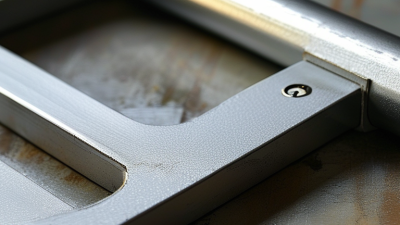
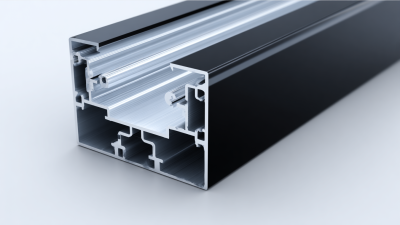
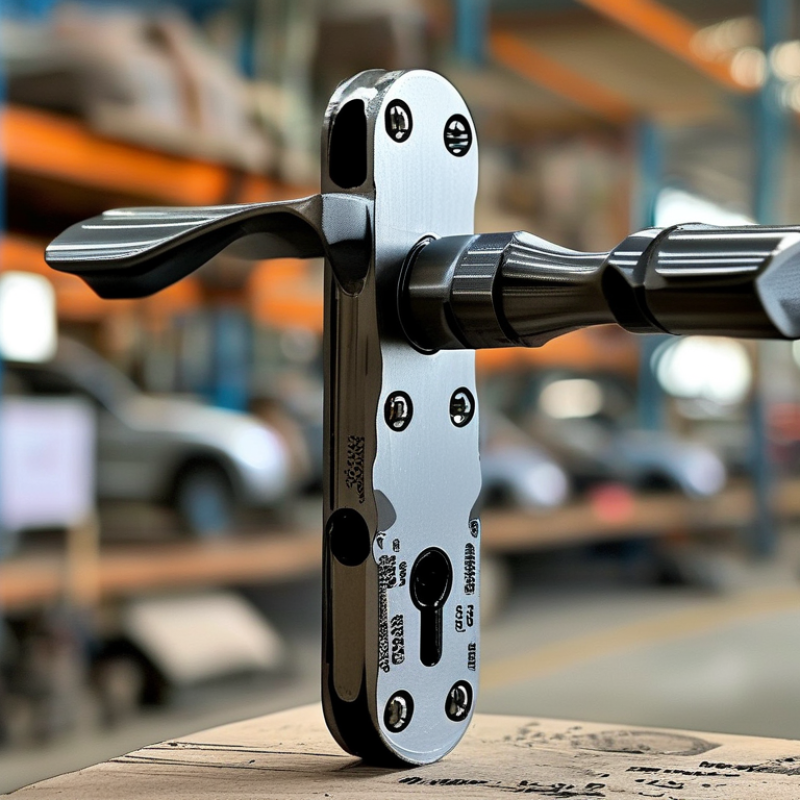
Aluminum handle extrusions are vital components in various industries. They offer durability, lightweight design, and versatility. Commonly found in cabinets, appliances, and furniture, these extrusions enhance both functionality and aesthetics. Their smooth surfaces often accommodate finishes, like anodizing or powder coating, which add protection and visual appeal.
Applications of aluminum handle extrusions vary widely. For example, in the automotive sector, they provide innovative solutions for vehicle interiors. In construction, they serve as key fixtures in door and window designs. Notably, these extrusions can also be customized for specific needs, highlighting their adaptability. However, challenges remain in ensuring consistent quality across batches and optimizing production processes.
The market for aluminum handle extrusions is competitive. Buyers should evaluate suppliers based on design capabilities and material standards. Cost and lead time can vary, affecting project timelines. Quality control processes must be transparent, as inconsistencies can lead to product failures. Thus, while choosing aluminum extrusions, critical assessment is necessary for success.
Key Features to Consider When Selecting Aluminum Handle Extrusions
When selecting aluminum handle extrusions, several key features come into play. One significant aspect is the alloy type. Different alloys offer varying levels of strength, weight, and corrosion resistance. It's essential to choose an alloy that suits the specific environmental conditions the handle will face. For outdoor applications, higher corrosion resistance is vital. Why? This ensures longevity, reducing the need for replacements.
Another important factor is the finish. Anodized or powder-coated finishes enhance durability and aesthetics. Anodizing can improve wear resistance, while powder coating can add vibrant colors. It's worth considering how these finishes will hold up over time, especially in tough conditions. Testing different finishes may lead to insights about performance and maintenance.
Lastly, size and shape are crucial for functionality and ergonomics. Proper design ensures user comfort, which is often overlooked. A handle that feels bulky or awkward may deter customers. Exploring various designs before making a decision can yield unexpected learning. A thoughtful approach to these characteristics will lead to better outcomes in aluminum handle selection.
Top Global Manufacturers of Aluminum Handle Extrusions in 2026
In 2026, the aluminum handle extrusion market is experiencing significant growth. According to industry reports, global demand for aluminum extrusions is projected to reach 34 million tons annually by 2026. This surge is driven by applications in construction, automotive, and consumer goods. Notably, the lightweight properties of aluminum enhance product performance.
Key manufacturers are investing in advanced technologies to improve extrusion efficiency. Data indicates that companies focusing on recycling aluminum will have a competitive edge. Approximately 75% of aluminum can be recycled without losing quality, making sustainability a focal point. However, sourcing high-quality raw materials remains a challenge. Providers struggle to balance cost and sustainability, leading to complex supply chains.
Additionally, the market landscape is becoming more competitive. Some players may not adapt quickly enough to new technologies. As manufacturers strive for innovation, gaps in product development may emerge. This can affect their market position and customer satisfaction. Ongoing challenges include meeting international standards while maintaining profitability. The road ahead is promising yet requires reflection on current practices.
2026 Top Aluminum Handle Extrusions for Global Buyers
| Country |
Production Capacity (tons/year) |
Main Applications |
Market Share (%) |
Export Rate (%) |
| China |
125000 |
Furniture, Automotive |
30 |
50 |
| Germany |
80000 |
Construction, Door & Window |
25 |
60 |
| USA |
60000 |
Consumer Goods, Aerospace |
20 |
45 |
| India |
50000 |
Electronics, Automotive |
15 |
30 |
| Italy |
40000 |
Luxury Goods, Appliances |
10 |
25 |
Trends and Innovations in Aluminum Handle Extrusion Technology
The landscape of aluminum handle extrusion technology is rapidly evolving, driven by trends in sustainability and innovation. According to a recent report by the Aluminum Association, the global aluminum extrusion market is projected to grow significantly, reaching a value of approximately $62 billion by 2026. This growth is largely attributed to the increasing demand for lightweight, durable materials in various industries.
Recent advancements are focused on enhancing efficiency and reducing waste during the extrusion process. Techniques such as precision die design and real-time quality monitoring are becoming standard. These innovations not only improve the aesthetic and functional aspects of aluminum handles but also minimize energy consumption. The International Aluminium Institute reports that improving extrusion processes can yield up to 30% energy savings, which is a vital consideration in today's environmentally conscious market.
While many manufacturers are embracing these changes, challenges remain. The need for skilled labor and continuous investment in technology can hinder progress. Despite these obstacles, the push for greener practices in aluminum production is encouraging. Overall, the industry must reflect on its practices and strive for more sustainable solutions while keeping an eye on efficiency and cost-effectiveness. Balancing these factors will be crucial for long-term success.
Buying Tips for Global Customers Seeking Aluminum Handle Extrusions
When looking for aluminum handle extrusions, start with quality. Ensure the supplier offers durable and robust options. This is crucial, especially for heavy-use applications. Check for specific features like corrosion resistance and weight capacity. Many buyers overlook the importance of detailed specifications. Always request technical data sheets for clarity.
Consider the supplier’s experience in the industry. A reputable manufacturer should exhibit extensive knowledge and expertise. Look into their production processes and quality control measures. Reviews and testimonials from previous clients can provide insight. However, not all reviews are genuine. Exercise caution when evaluating feedback from online sources.
Remember to clarify logistics and shipping terms. This aspect can often lead to misunderstandings. Be aware of potential delays or additional costs. It's wise to have these discussions upfront. Some customers might find it burdensome, but clear communication can save time and resources later. Balancing these factors will help in making informed purchasing decisions.