2026 Top Construction Aluminum Profiles for Global Buyers?
In the ever-evolving construction industry, the demand for high-quality Construction Aluminum Profiles continues to rise. Recent reports indicate that the global market for aluminum profiles is expected to grow at a compound annual growth rate (CAGR) of 5.3% through 2026. Industry experts highlight the unique properties of aluminum, such as its lightweight, corrosion resistance, and recyclability, making it a preferred choice for modern construction.
John Smith, a leading expert in aluminum applications, once stated, "The future of construction lies in sustainable and efficient materials like aluminum profiles." His words resonate with the current trends toward eco-friendly building practices. Yet, while the prospects are promising, challenges remain. Manufacturers must navigate fluctuating raw material prices and ensure compliance with strict environmental standards.
As we look forward to 2026, understanding the nuances of Construction Aluminum Profiles will be critical for global buyers. The need for innovation in design and production processes also calls for deeper reflection within the industry. Balancing demand with sustainability will shape the future of construction materials.

Top Trends in Construction Aluminum Profiles for 2026
The construction industry is witnessing significant trends in aluminum profiles heading into 2026. Lightweight materials are gaining traction. According to a recent market report, the demand for aluminum profiles is projected to grow by 5.3% annually. This growth stems from a push for energy efficiency in buildings. Construction projects increasingly prioritize sustainable materials.
Another emerging trend is customization. Builders seek tailored aluminum profiles to fit unique architectural designs. This shift allows for more creative and flexible solutions. A study by Global Industry Analysts indicates that personalized aluminum solutions could capture 30% of the market share by 2026. However, the challenge lies in balancing customization with cost efficiency.
Additionally, advancements in technology are reshaping the landscape. Innovations in manufacturing techniques enhance performance. Yet, there is a learning curve for many companies. Some struggle to adopt new technologies effectively. Overall, while opportunities abound, the industry must navigate these complex developments. The focus on aluminum profiles will undoubtedly evolve, but potential pitfalls require careful consideration.
Key Manufacturers of Aluminum Profiles in Global Markets
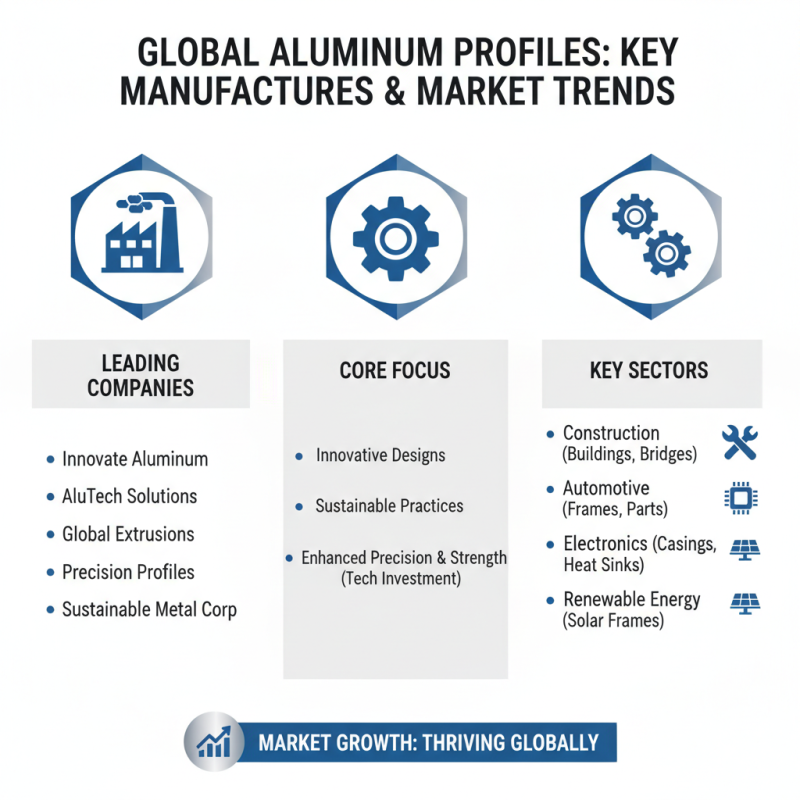
The global market for aluminum profiles is thriving, with numerous manufacturers leading the way. These companies focus on innovative designs and sustainable practices. Their products cater to various sectors, including construction, automotive, and electronics. A key factor in their success is the investment in technology for enhanced precision and strength.
Manufacturers are exploring lightweight yet durable solutions for construction projects. For example, the demand for energy-efficient materials is growing. This pushes companies to adapt and improve production techniques. They need to balance quality with cost-effectiveness. Not every strategy works perfectly; some fail to meet market expectations.
Expert insights suggest that collaboration among manufacturers can boost the industry. Partnerships can lead to shared resources and knowledge. However, challenges remain in achieving consistently high standards. Companies must also consider local regulations and market needs. This complex landscape requires ongoing adaptation and reflection.
Applications of Aluminum Profiles in Modern Construction Projects
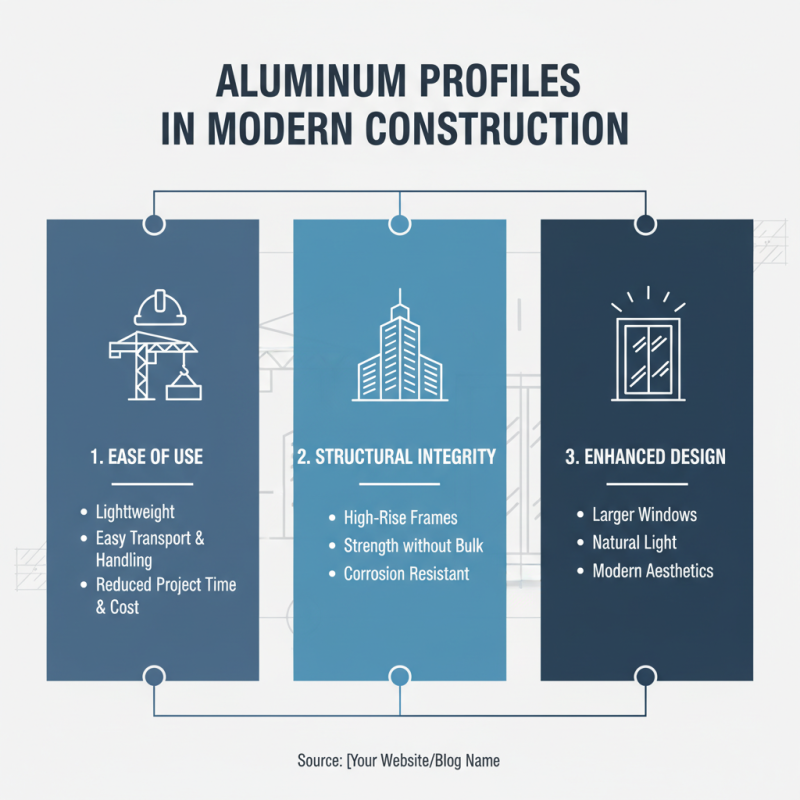
Aluminum profiles have become essential in modern construction. Their lightweight nature makes them easy to handle and transport. This reduces overall project costs and time. In high-rise buildings, aluminum frames provide structural integrity without excessive weight. They allow for larger windows, enhancing natural light and aesthetics.
In contemporary architectural designs, aluminum profiles are favored for their versatility. They can be extruded into various shapes and sizes. This adaptability suits a range of applications, from window frames to curtain walls. However, choosing the right profile can be challenging. Factors like thermal conductivity and corrosion resistance need careful consideration.
Sustainable building practices also benefit from aluminum. Its recyclability makes it a preferred material for eco-conscious projects. Yet, the production process can consume significant energy. Balancing environmental impact with performance is a crucial dilemma. As demand for innovative structures grows, refining aluminum use becomes imperative.
Sustainability and Environmental Impact of Aluminum Profiles
In the construction industry, aluminum profiles are increasingly favored for their lightweight and strength. However, their sustainability merits close examination. Aluminum production is energy-intensive, often relying on fossil fuels. This results in significant greenhouse gas emissions, raising questions about its environmental impact. It’s essential to consider the entire lifecycle of aluminum profiles, from extraction to fabrication.
Recycling offers a pathway towards sustainability. Aluminum can be recycled multiple times without losing quality. This process uses only a fraction of the energy required for primary production. Yet, recycling rates vary globally, highlighting an inconsistency in sustainable practices. Some regions excel, while others lag behind. Industry standards need to improve to support recycling initiatives.
Furthermore, the sourcing of raw materials has environmental ramifications. Mining bauxite can lead to habitat destruction and soil erosion. Responsible sourcing practices are crucial. They should prioritize environmental stewardship and community well-being. Manufacturers could adopt more transparent supply chains. This encourages ethical practices and addresses ecological concerns, fostering a more sustainable future.
2026 Top Construction Aluminum Profiles for Global Buyers - Sustainability and Environmental Impact of Aluminum Profiles
| Profile Type |
Application |
Recyclability (%) |
Environmental Impact (CO2 kg/m²) |
Market Demand Trend |
| Structural Profiles |
Buildings, Bridges |
95 |
2.5 |
Increasing |
| Extruded Profiles |
Windows, Doors |
90 |
1.8 |
Stable |
| Aluminum Sheets |
Roofing, Facades |
85 |
3.0 |
Increasing |
| Aluminum Tubes |
Piping, Frames |
92 |
2.2 |
Increasing |
| Aluminum Foils |
Insulation, Packaging |
100 |
1.0 |
Stable |
Future Innovations in Aluminum Profile Design and Technology
The future of aluminum profile design is being shaped by innovative technologies that promise better sustainability and efficiency. Research indicates that the global aluminum profile market is projected to reach $79.2 billion by 2026, with a compound annual growth rate (CAGR) of 5.8%. This growth is closely tied to advancements in manufacturing processes and materials.
Innovations include the development of lightweight alloy compositions that maintain strength while reducing energy consumption during transportation. Enhanced extrusion techniques are also emerging. These techniques allow for intricate designs with less waste. According to a 2022 industry report, 62% of companies plan to invest in smart technologies to automate production, thus increasing precision and reducing labor costs.
However, challenges remain. The sector must address the recyclability of new materials. Despite impressive advancements, some new alloys may not be readily recyclable. This raises concerns about sustainability. Continued research is needed to find a balance between innovative designs and eco-friendly practices. The future holds promise, but reflection on these issues is necessary to ensure responsible growth.