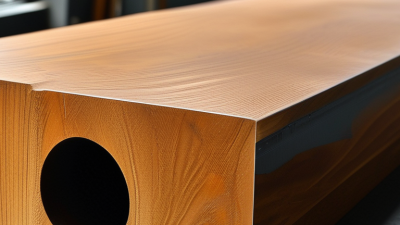
Choosing a material for a project means balancing appearance, durability, installation, and cost. Wood Grain Aluminium Pipe offers a timber-like finish on an aluminium profile, bringing warmth to spaces where natural wood may be difficult to maintain. Its printed or coated grain can add visual texture to pergolas, railings, screens, and architectural details. Up close, patterns and sheen vary between finishes. A sample is more useful than a catalogue image.
The right choice depends on the setting. Consider pipe diameter, wall thickness, alloy grade, finish quality, and how the product will be fixed. For outdoor use, ask the supplier for relevant information about coating performance and care; exposure to sun, moisture, and salt can affect finishes differently. Details matter. I would not call any finish maintenance-free, and broad promises deserve a closer look. Check the project drawings, compare physical samples in the intended light, and confirm that fittings suit the selected dimensions. A well-specified Wood Grain Aluminium Pipe can provide a consistent appearance with the practical characteristics of aluminium, but it is not automatically the best option for every design. The trade-off is real: the grain is a finish, not solid timber. That distinction should guide expectations before ordering.
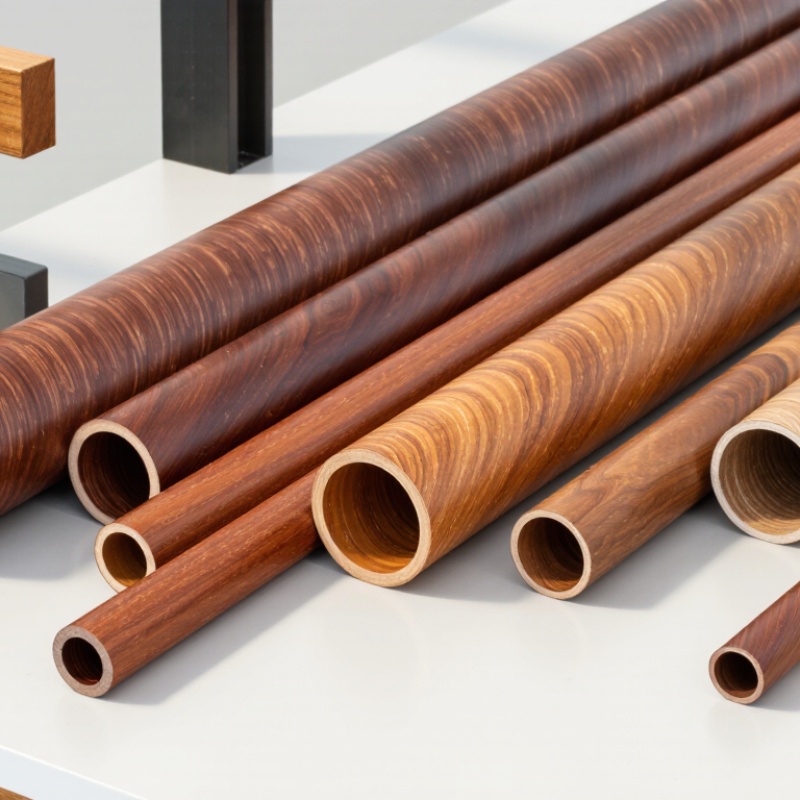
A wood grain aluminium pipe is a hollow aluminium section with a printed finish that resembles timber. The wood pattern is commonly transferred onto a prepared, coated surface using heat. The result keeps the light weight and shape stability of aluminium while adding a warmer visual texture. It is not wood, and it does not have wood’s grain depth or natural variation.
Look closely at a cut end or connection. The exposed metal may show clearly, so caps and neat joints matter. The printed surface can imitate oak, walnut, or other tones, but the pattern may repeat across sections. That small detail can make a long railing look less natural than a sample suggests. It is worth checking full-length pieces in daylight. The finish may also vary slightly between production batches.
These pipes appear in screens, pergolas, railings, and furniture frames, where appearance and low maintenance are useful. Still, the finish alone says little about strength. Alloy, wall thickness, diameter, and fixing method determine whether a pipe suits a specific load or span. Ask for those specifications, along with care guidance, before choosing it. A wood-look surface can scratch, too. It is metal underneath, but not immune to wear.
A material comparison: typical density of aluminium and carbon steel
Aluminium is substantially less dense than carbon steel, which can help reduce component weight. Wood grain is a decorative finish applied to an aluminium surface; it does not turn the pipe into wood. Values are typical approximate material densities, and actual alloys may vary.
A wood-grain finish on aluminium pipe is usually created through heat-transfer sublimation. It is not a layer of real wood. The pipe is cleaned and pretreated, then coated with a compatible base powder, often in a shade that supports the chosen grain. Preparation matters. Dust or uneven coating can show through the finished pattern.
A printed transfer film is wrapped tightly around the coated pipe and sealed, often under vacuum. In a curing oven, heat makes the dyes migrate from the film into the coating. The pattern follows the pipe’s surface, creating the look of wood while retaining aluminium underneath. Heat and timing depend on the coating and pipe shape, so production settings need careful control.
After cooling, workers remove the film and inspect the finish for gaps, blurred grain, or uneven colour. A seam can remain visible on the underside; it is easy to miss on a small sample. Some systems add a protective clear layer, while others rely on the cured coating. Ask to inspect a full-length sample in daylight, since grain scale and colour can look different on a curved pipe.
Wood-grain aluminium pipe suits projects that need a warm visual finish without the weight of solid timber. Aluminium has a density of about 2.7 g/cm³, roughly one-third that of steel. That can make long sections easier to handle and install, especially overhead or in modular assemblies. Less lifting effort matters.
The substrate also resists corrosion by forming a thin protective oxide layer. A wood-grain effect is typically applied through a coated or transfer-finished surface, so performance depends on pretreatment, coating quality, and the environment. Ask for test data on colour stability, adhesion, and corrosion resistance. Coastal air is demanding. Scratches can still expose the substrate, and poor installation may undermine a good finish.
Lifecycle data adds another consideration. The International Aluminium Institute reports that around 75% of all aluminium ever produced remains in use today; this is an industry-wide figure, not a guarantee for every pipe or finish. Aluminium is also recyclable, though collection and recycling depend on local systems. For a project, check wall thickness, load requirements, finish specifications, and maintenance access. The wood appearance is useful, but it does not replace structural design.
Wood-grain aluminum pipe suits projects that need a timber-like appearance without using solid wood. Outdoors, it can be used in pergolas, garden screens, balcony railings, and covered walkways. A warm brown finish can soften the look of a metal frame. It also pairs neatly with stone paving and pale walls. Light, clean, practical.
Indoors, designers use it for room dividers, handrails, display structures, and furniture frames. In a café, for example, slim pipes can support a counter shelf or define a seating area without making the space feel heavy. Retail displays benefit from the same clean lines. The finish can suggest wood, though close inspection may reveal a more even, manufactured grain.
Suitability depends on the pipe’s dimensions, wall thickness, and installation conditions. For a railing or overhead structure, check the required load capacity with a qualified professional rather than choosing by appearance alone. Outdoor projects also need a finish rated for the expected exposure, especially in strong sun or damp environments. It is not maintenance-free. Dust and grime still collect around joints, and scratches can be noticeable, so sample the finish before ordering large quantities.
| Project Area | Typical Uses | Why Consider Wood Grain Aluminium Pipe? | Important Selection Checks |
|---|---|---|---|
| Outdoor pergolas and covered patios | Posts, beams, decorative supports, and pergola screens | Combines an aluminium profile with a wood-inspired appearance, without the same risk of rot as untreated timber. | Choose a finish specified for exterior exposure. Confirm wall thickness, profile dimensions, connections, and structural loads with the project designer. |
| Fences and privacy screens | Horizontal or vertical slats, screen frames, and gate details | Provides a consistent wood-look finish and can be easier to maintain than exposed timber, depending on the coating and site conditions. | Check wind exposure, fixing methods, drainage, finish suitability, and compatibility between aluminium and other metals in contact. |
| Interior partitions and feature walls | Decorative battens, dividers, wall accents, and display structures | Offers a lightweight-looking, wood-inspired design option for interiors where regular timber finishing may be undesirable. | Confirm the required colour, grain pattern, dimensions, edge details, and cleaning method before ordering. |
| Ceilings and soffits | Linear ceiling features, soffit details, and suspended decorative elements | Can create a warm, timber-like visual effect while using aluminium profiles that are generally lighter than comparable solid wood components. | Check support spacing, attachment details, ventilation requirements, and whether the product is suitable for the intended indoor or outdoor location. |
| Furniture and fitted interiors | Table and shelving frames, cabinet details, handles, and trim | Useful where a wood-look detail is desired alongside a metal profile that can be cut and assembled to suit the design. | Review tube dimensions, corner treatment, surface durability, and the intended level of contact or abrasion. |
| Commercial interiors and display areas | Retail fixtures, reception details, display frames, and decorative dividers | Allows designers to coordinate a wood-inspired finish across trim and tubular elements while using aluminium components. | Request finish samples, check colour consistency between batches, and confirm the cleaning products permitted for the coating. |
| Balustrade and handrail details | Decorative rail components and non-structural infill elements | Can add a wood-look finish to selected parts of a metal railing system. | Do not assume a decorative tube is suitable as a load-bearing handrail or guard component. Verify applicable building codes, engineered capacity, and the complete system design. |
Selection note: Performance depends on the aluminium alloy, profile design, surface-treatment system, installation, and exposure conditions. Confirm the product specification and finish suitability with the supplier for the intended application.
Why Choose Wood Grain Aluminium Pipe for Your Project
What Factors Should Guide Your Selection?
Start with the pipe’s job. A decorative rail has different needs from a frame exposed to wind, rain, or frequent handling. Check the required diameter, wall thickness, length, and connection method against the project drawings. Small differences can complicate installation.
Consider where the pipe will be used. For outdoor projects, ask about the finish’s resistance to moisture, sunlight, and abrasion. Request samples, then inspect the color and grain in the actual lighting. Screens and showroom lights can be misleading. Details matter.
Also consider load, maintenance, and installation. Aluminium is relatively light, but that alone does not confirm a pipe is suitable for a structural application. Verify dimensions and performance with a qualified supplier or engineer. Check whether the finish may be scratched during cutting, drilling, or transport, and ask how damaged areas should be handled. I would not choose from a photograph alone; even a good-looking sample may differ slightly from a full production run. Confirm the finish, tolerances, and quantity before ordering.