Why Choose Broken Bridge Aluminium Profiles?
Why Choose Broken Bridge Aluminium Profiles?
Windows and doors do more than frame a view. They influence indoor comfort, energy use, noise control, and the durability of a building envelope. Broken Bridge Aluminium Profiles use a thermal break between the inner and outer aluminium sections. This barrier helps slow heat transfer through the frame. The result can be a more comfortable interior, especially near windows on cold mornings or hot afternoons.
The profile’s performance depends on more than its name. Thermal-break material, frame geometry, glazing, seals, fabrication quality, and installation all matter. A well-designed system can support better insulation and reduce unwanted condensation risks. But no profile can fix poor installation. A narrow frame may also look elegant, yet its actual performance should be checked against tested system data, not appearance alone.
One project detail can change the outcome. A façade consultant might put it this way: “A thermal break works only as well as the complete window system around it.” This is an original editorial line, not a verified quotation from a named expert. A reliable expert name and quotation should be confirmed from a credible source before publication.
Choosing Broken Bridge Aluminium Profiles makes sense when the project needs aluminium’s strength and clean appearance, with improved thermal separation. Compare documented U-values, air and water performance, finishes, and warranty terms. Ask who tested the complete assembly. And inspect the installation plan. Small gaps matter. The right choice is not automatically the most expensive profile; it is the system that suits the climate, building design, and workmanship available.
What Are Broken Bridge Aluminium Profiles?
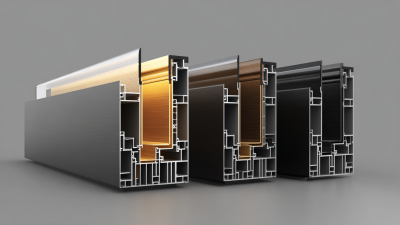
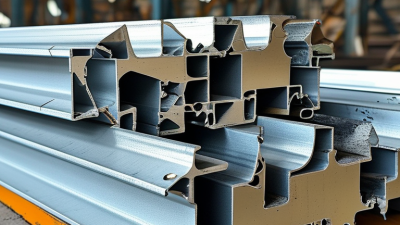
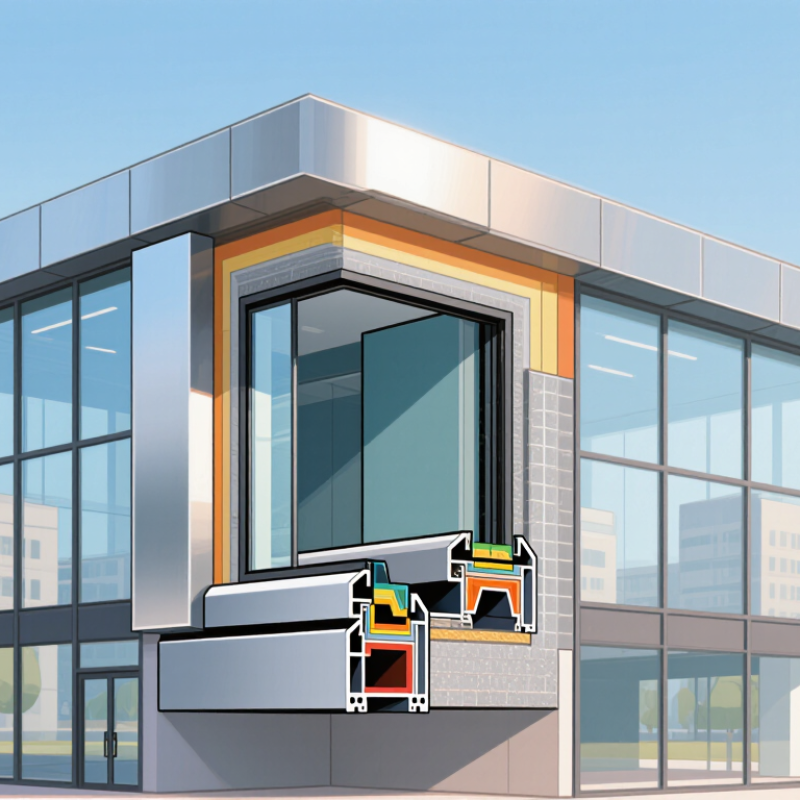
Broken bridge aluminium profiles are aluminium window or door frames divided by a low-conductivity insulating strip, commonly made from polyamide. The strip separates the exterior and interior sections, interrupting the direct path that heat would otherwise travel through the metal. In cross-section, it looks like a narrow dark bar between two silver rails. That small detail changes how the frame handles heat.
The U.S. Department of Energy’s Energy Saver guidance estimates that windows account for 25–30% of residential heating and cooling energy use. This figure applies to windows as a whole, not broken bridge profiles alone. Still, it shows why frame design matters.
An insulated profile can help reduce heat transfer, but performance also depends on strip width, frame geometry, glazing, seals, and installation. A well-made profile cannot fix a poorly sealed opening.
Not magic. Check product test data, including whole-window thermal transmittance, rather than judging by the profile alone. Even then, comparing products can feel less straightforward than it should.
How Does the Thermal Break Reduce Heat Transfer?
Why Choose Broken Bridge Aluminium Profiles?
A thermal break interrupts the direct path through aluminium, which conducts heat readily. In a broken bridge profile, an insulating strip—often polyamide—separates the exterior and interior sections. This makes heat work harder to travel from a sun-warmed outer frame to a cooler room. The same barrier slows indoor heat escaping on cold days. Feel the difference near the frame on a winter morning.
The U.S. Department of Energy’s Energy Saver guidance estimates that heat gain and loss through windows account for about 25–30% of residential heating and cooling energy use. That figure covers the whole window, not the frame alone, but it shows why frame performance matters. A thermal break can help lower conductive heat flow, while the actual result depends on the profile design, glazing, seals, and installation. Small gaps can undo some of the benefit.
Look beyond the phrase “thermal break.” NFRC window ratings assess whole-product performance, including the frame, so compare rated U-factors rather than relying on one material feature. A deeper frame or wider insulating strip may improve separation, but neither guarantees a comfortable room. Installation details still matter. I would not treat the thermal break as a cure for every cold edge; poorly sealed joints and unsuitable glazing can remain weak points.
What Performance Benefits Do These Profiles Offer?
Broken bridge aluminium profiles separate the inner and outer aluminium sections with a low-conductivity insulating strip, commonly made from polyamide. This interrupts the direct path that allows heat to pass through metal. On a cold morning, the inside frame is therefore less likely to feel icy than a standard aluminium frame. That matters.
The improved thermal break can help reduce heat loss and limit condensation on the frame, supporting a more comfortable indoor environment. It may also ease the load on heating and cooling systems, though results depend on the whole window or door assembly. Glass type, seals, installation quality, and local climate all play a part. Not magic.
These profiles retain aluminium’s useful strength, allowing slim frames and generous glazed areas when the design is properly engineered. They also resist weathering well with suitable surface finishes and maintenance. Fit matters. A poorly installed frame can still admit drafts or water, regardless of its thermal break. Check the profile’s tested thermal performance, drainage design, and hardware compatibility for the intended opening. A higher specification may not be necessary for every project, and that trade-off deserves a closer look.
Why Choose Broken Bridge Aluminium Profiles? - What Performance Benefits Do These Profiles Offer?
| Performance dimension |
Thermally broken aluminium profile |
What this means in practice |
| Thermal conductivity of materials |
Aluminium is typically about 160–200 W/(m·K); polyamide thermal-break material is typically about 0.25–0.30 W/(m·K). |
A low-conductivity barrier between the inner and outer aluminium sections reduces direct heat transfer through the frame. |
| Frame heat transfer (Uf) |
Well-designed systems commonly achieve frame Uf values around 1.5–3.0 W/(m²·K); values vary by profile geometry and test method. |
A lower Uf indicates less heat passing through the frame. Compare declared or independently tested values for the specific system. |
| Indoor surface temperature |
The interior frame surface is generally warmer in cold weather than that of a comparable non-thermally broken frame. |
Can improve comfort near windows and reduce cold-radiation effects. Actual temperatures depend on indoor humidity, outdoor conditions, and the complete window design. |
| Condensation risk |
The thermal barrier helps limit heat flow and can raise the interior frame temperature. |
May reduce condensation risk, but does not eliminate it; ventilation, indoor humidity, installation, and glazing also matter. |
| Energy performance |
Reduces heat loss through the frame compared with a similar frame without a thermal break. |
Can contribute to lower heating or cooling demand. Whole-window performance depends on frame, glass, spacers, seals, size, and installation. |
| Acoustic performance |
The thermal break itself does not guarantee a particular sound-reduction rating. |
Sound insulation is determined by the complete assembly, especially glazing, seals, frame design, and installation. Check tested whole-window ratings. |
| Strength and design flexibility |
Retains aluminium outer and inner sections connected by engineered thermal-break strips; load capacity is system-specific. |
Can support slim-frame designs, but allowable sizes and loads should be confirmed using the system’s structural data and project requirements. |
| Durability and maintenance |
Aluminium is corrosion-resistant in many building environments, and the thermal barrier is enclosed within the profile assembly. |
Service life depends on finish, exposure, fabrication, hardware, and maintenance. Follow the system supplier’s care and inspection guidance. |
Note: Performance ranges are indicative, not product guarantees. Verify values for the specific profile and complete window or door assembly; Uf is the thermal transmittance of the frame, while Uw refers to the whole window.
Where Are Broken Bridge Aluminium Profiles Commonly Used?
Broken bridge aluminium profiles are common in residential windows and doors, especially where summers are hot and winters are cold. Their insulating strip separates the inner and outer aluminium sections, reducing heat transfer through the frame. They are also used in apartment balconies, sliding doors, and glazed façades. The frame still needs suitable glass and careful installation to perform well.
They fit commercial buildings too. Offices, schools, and hotels often use them for large window systems, entrance doors, and curtain walls. A narrow aluminium frame can support broad glass panels while keeping the exterior appearance clean. In coastal areas, specified finishes and regular maintenance matter because salty air can affect exposed surfaces. They are common in renovation projects as well, though existing openings may need adjustment.
Not every project needs them. A shaded store room or mild-climate building may have different priorities. Details matter. Check the profile depth, insulating-strip material, drainage design, and compatibility with the chosen glass. Even a well-designed frame can feel uncomfortable if joints leak or installation leaves gaps. That part is easy to underestimate. Broken bridge profiles are most useful where thermal comfort, daylight, and a durable frame must work together, but the complete window assembly—not the profile alone—determines the result.