In the construction industry, "Thermal Break Aluminium Profiles" have gained significant attention for their energy efficiency. Expert James Anderson, a leading architect in sustainable design, states, "Thermal Break Aluminium Profiles are revolutionizing how we think about insulation." These profiles create a barrier that minimizes heat transfer, making buildings more energy-efficient.
As the demand for sustainability grows, understanding the benefits of these profiles is crucial. They provide superior thermal performance compared to standard aluminium frames. This translates into lower energy bills and increased comfort for occupants. Moreover, incorporating thermal break technology can enhance the aesthetic appeal of structures.
However, it’s important to acknowledge that not all thermal break profiles are created equal. Some may not offer the expected performance benefits. Choosing the right product requires careful consideration. Despite the advantages, further education on installation techniques is necessary for optimal results.
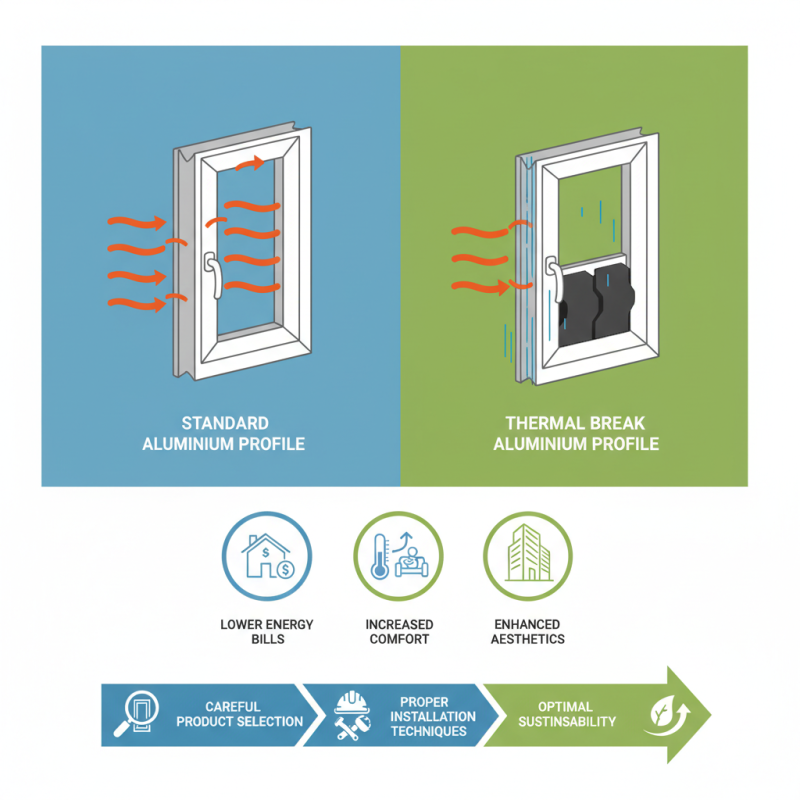
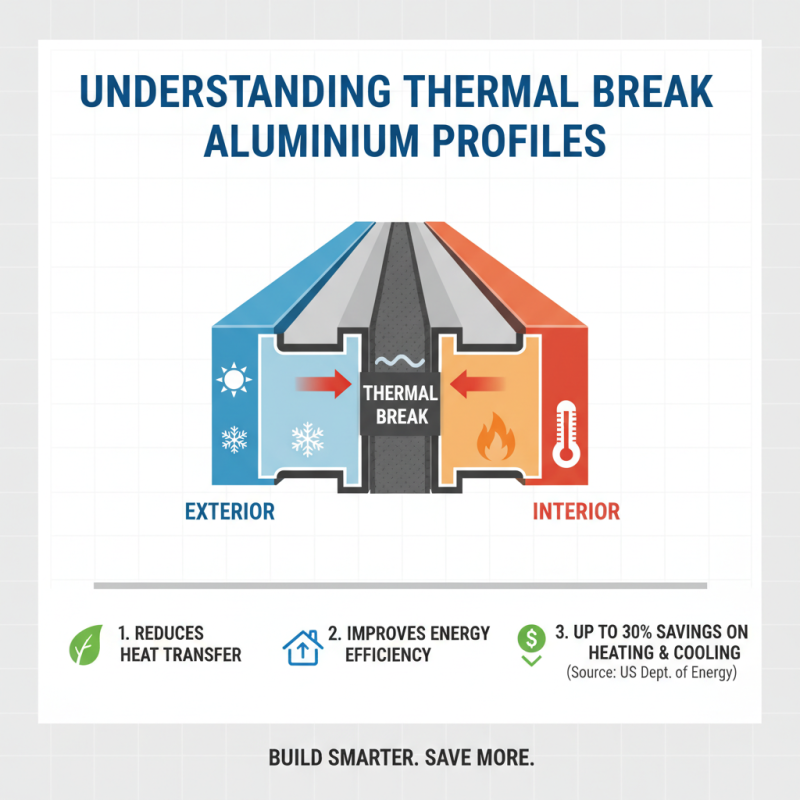
Thermal break aluminium profiles are gaining attention in the construction industry. These profiles create a barrier between the interior and exterior of buildings. They effectively reduce heat transfer, leading to better energy efficiency. According to a report by the U.S. Department of Energy, optimized thermal breaks can lead to a 30% reduction in heating and cooling costs.
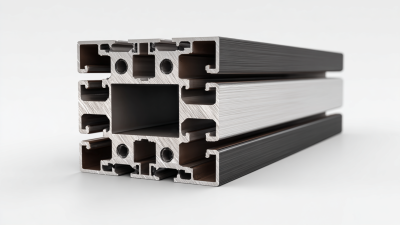
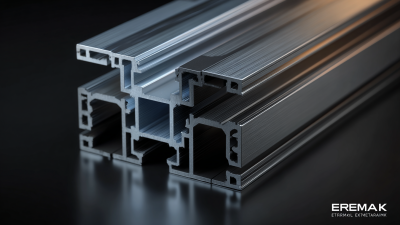
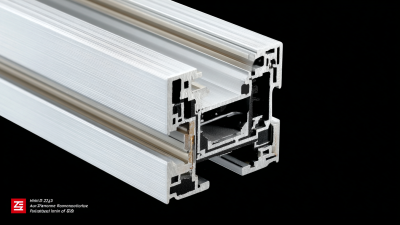
The structure of thermal break profiles features a layer of insulating material. This layer separates the inner and outer aluminium sections. The result is enhanced performance in both hot and cold climates. Building owners can benefit from lower energy bills and increased comfort levels year-round.
Tips: Consider the long-term savings. While the upfront cost may be higher, the energy efficiency pays off.
It's also crucial to select the right thermal break for specific needs. Not all profiles are created equal. Some may not perform as expected, leading to potential insulation issues. Always check performance ratings against industry standards.
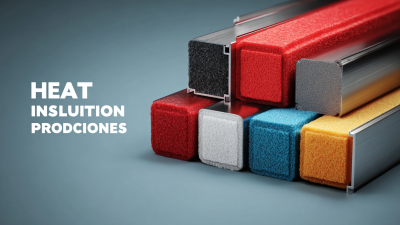
Thermal break technology greatly enhances energy efficiency in buildings. By using insulation materials between internal and external aluminium profiles, heat transfer is significantly reduced. This method minimizes energy loss, particularly during extreme weather. Consequently, homes and offices maintain comfortable temperatures while consuming less power.
Incorporating thermal break profiles can lead to lower energy bills. This means homeowners can save money year-round. Moreover, these profiles contribute to sustainability. Reducing energy consumption helps lessen the environmental impact. However, not every installation achieves the desired efficiency. Poor design or installation can negate these benefits. It's crucial to choose the right approach for each project.
Some may overlook the initial costs of thermal break profiles. They may seem higher than standard options. Yet, the long-term benefits often outweigh these expenses. Homeowners can enjoy added comfort and savings as they utilize modern technology. This shift towards better insulation can feel daunting. Yet, with careful consideration, practical solutions become clear.
Thermal break aluminium profiles offer significant advantages in structural integrity and durability. These profiles reduce thermal bridging, improving the energy efficiency of buildings. According to a study by the National Institute of Standards and Technology, buildings with thermal break profiles experience up to 30% less heat loss. This leads to lower energy bills and a longer lifespan for the structure.
Using thermal break technology helps prevent condensation, which can weaken structural components over time. In high-humidity environments, condensation might lead to mold growth and decay. A report from the American Society of Heating, Refrigerating, and Air-Conditioning Engineers highlights that proper insulation greatly reduces moisture issues. It's essential to consider this aspect during installation to ensure longevity.
Tips for optimizing durability: Regular maintenance is crucial. Inspect profiles for signs of wear semi-annually. Ensure seals are intact to prevent moisture from entering. Remember, small issues can escalate quickly if left unaddressed. Also, consider your environment's conditions when selecting materials. Harsh climates can demand more robust solutions.
Thermal break aluminium profiles are increasingly being recognized for their benefits in controlling condensation and moisture. A recent industry report highlighted that over 65% of buildings with traditional materials encounter moisture problems. These profiles create a barrier that reduces thermal bridging. As a result, interior surfaces maintain a warmer temperature, significantly lowering the risk of condensation.
Research indicates that buildings fitted with thermal breaks can cut down moisture problems by 50%. This is vital for preserving structural integrity and indoor air quality. Areas prone to high humidity benefit the most from these profiles. However, not every installation achieves optimal results. Inadequate sealing or poor insulation can still lead to moisture buildup. Regular assessments of installations are crucial to address any issues promptly.
While thermal break profiles are effective, they are not a one-size-fits-all solution. Factors such as local climate and building design influence their performance. Some projects might face challenges if the installation is not done correctly. Ensuring proper application and maintenance is essential for maximizing the benefits of these profiles. This highlights an ongoing need for expertise in the application of thermal break technology in construction.
| Benefit | Description | Impact on Performance | Long-term Savings |
|---|---|---|---|
| Reduced Condensation | Minimizes water accumulation on surfaces. | Improves indoor air quality. | Reduces costs associated with mold remediation. |
| Enhanced Energy Efficiency | Reduces thermal bridging in construction. | Lower heating and cooling loads. | Significant energy cost savings over time. |
| Improved Aesthetic Appeal | Offers diverse finish options for design flexibility. | Increases property value and marketability. | Potential ROI increases from enhanced market appeal. |
| Noise Reduction | Provides better sound insulation properties. | Creates a more comfortable indoor environment. | Potentially higher rental value in urban areas. |
| Durability | Resistant to corrosion and weathering. | Longer lifecycle of building materials. | Lower maintenance and replacement costs. |
| Sustainability | Energy-efficient and recyclable material. | Reduces environmental impact of construction. | Potential tax benefits from sustainable practices. |
| Versatility | Suitable for various architectural designs. | Increases options for builders and designers. | Flexibility in project types leads to broader reach. |
| Better Thermal Comfort | Maintains consistent indoor temperatures. | Enhances living and working conditions. | Increases satisfaction among occupants. |
| Increased Natural Light | Allows for larger glazing areas without compromising energy performance. | Promotes a healthier and more inviting space. | Potentially lower electric lighting costs. |
Sustainable building practices are essential in today's world. Thermal break aluminium profiles provide a viable solution. These profiles reduce energy loss, improving building efficiency significantly. Reports indicate that thermal breaks can enhance insulation by up to 60%. This directly contributes to lower energy bills.
Moreover, these profiles help reduce carbon footprints. Buildings account for nearly 40% of global carbon emissions. By implementing thermal break technology, we can make strides in decreasing this percentage. The use of high-performance materials is vital for eco-friendly structures. However, there are challenges. Not all thermal break profiles perform equally, and quality varies widely in the market.
Investing in well-researched solutions is crucial. Engineers and architects must stay informed about recent studies. Some solutions promise great results but fail in real-world applications. A critical eye is necessary to navigate these options. Using thermal break aluminium profiles is a step forward, but continuous evaluation and adaptation are needed for lasting impact.