In 2026, the best Insulated Aluminum Frame Profiles depend on the building, climate, and window design. A deep thermal break can reduce heat transfer, but depth alone does not guarantee better performance. The polyamide barrier, chamber layout, seals, and glazing all affect the finished window. Details matter.
On a cold morning, a poorly matched frame may feel chilly near the sill or show condensation at its edges. For exposed homes, check drainage paths, gasket quality, and resistance to weathering. For large windows, consider stiffness and sightlines alongside thermal performance. Slim frames look clean, but they may not suit every opening or glazing specification.
Compare documented system data, not just marketing claims. A frame’s Uf value describes the frame; the whole window’s Uw value also includes its glass and dimensions. Ask manufacturers for test reports, compatible hardware details, and installation guidance. Independent certification can help, though its relevance depends on the product and market. Not always.
A useful comparison should weigh energy performance, durability, appearance, and total project cost. It should also account for local weather and the skill of the installer. I would not name one profile as universally best without those details. Even a well-engineered frame can disappoint when fitted poorly, and published figures may not reflect a real installation. The right choice is the profile whose verified performance matches the project—not simply the one with the deepest section or boldest specification.
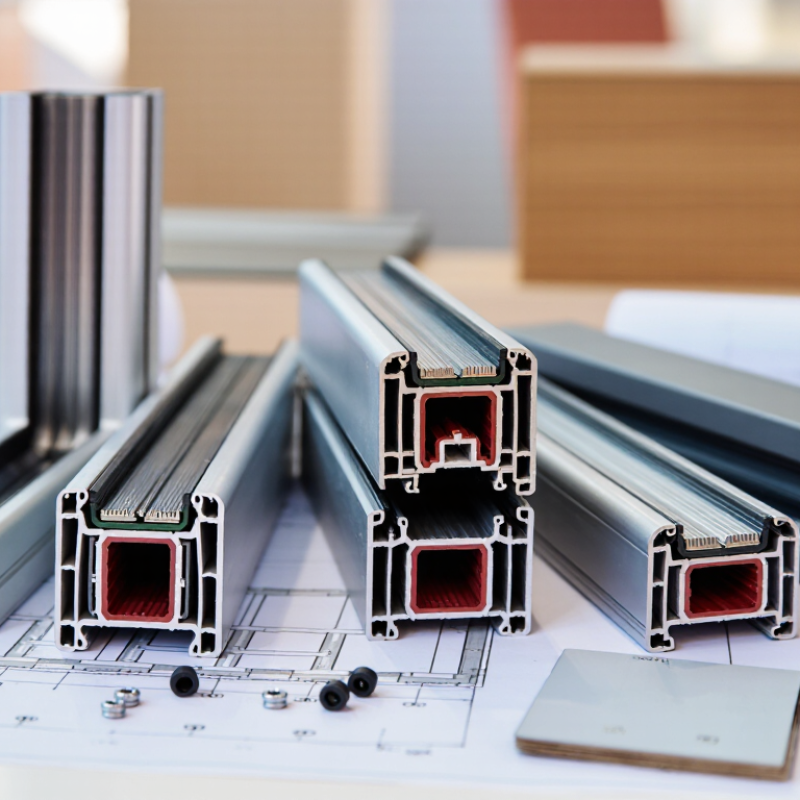
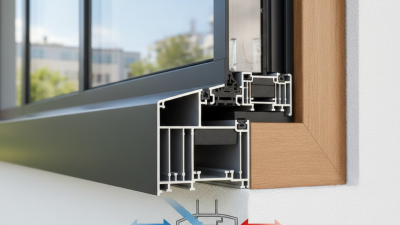
An insulated aluminum frame profile uses a thermal break to slow heat moving through the metal. Most designs connect the exterior and interior aluminum sections with a low-conductivity strip, often made from a reinforced polymer. The strip interrupts the direct path that would otherwise carry outdoor cold toward the room. Small detail. Some profiles also use internal chambers or insulation, but these features vary by design.
The result can be a warmer interior frame and less condensation risk in cold conditions. It does not make the window as insulating as a solid wall. Performance also depends on the glass, seals, frame depth, and how carefully the unit is installed. Check the thermal-break width and the product’s tested performance, rather than judging by appearance alone. Drainage channels matter, too: water trapped inside a frame can cause problems over time. A practical mistake is comparing profiles by cross-section alone; installation and glazing affect the whole window. It is easy to overvalue a thick-looking frame. A well-designed profile still needs precise fitting and regular checks of its seals.

Compare typical frame-only thermal transmittance (Uf) ranges. Lower values indicate less heat transfer through the frame.
How insulated profiles work: A thermal break—usually a low-conductivity material between the inner and outer aluminum sections—interrupts the direct path for heat flow. Enhanced designs may also add insulating material within the profile.
Ranges are indicative examples in W/m²·K, not product ratings or a standardized ranking. Actual Uf depends on profile geometry, materials, and test method. Uf describes the frame only; whole-window performance is expressed as Uw.
Which Insulated Aluminum Frame Profiles Are Best in 2026?
Thermal-break design determines how much heat can bypass an insulated frame. A continuous polyamide barrier separates the inner and outer aluminum sections, reducing direct heat flow. Wider barriers can improve insulation, but width alone does not guarantee performance. Profile geometry, seals, corner joints, and glazing all matter. The U-factor reported under National Fenestration Rating Council (NFRC) procedures rates the complete window assembly, not just its frame. Lower values indicate less heat transfer.
The U.S. Department of Energy estimates that windows account for about 25–30% of residential heating and cooling energy use. That makes frame performance consequential, especially where winters are cold or rooms face strong afternoon sun. Look for tested whole-window U-factors, not claims based only on the thermal break. Strength deserves equal scrutiny. The barrier and its mechanical connections must transfer loads between the aluminum sections, while deep profiles and reinforced corners help resist bending. There is a trade-off: a broad thermal barrier may reduce heat flow, yet poor joining can weaken the assembly. A small detail. Ask for test data covering air leakage, water penetration, and structural performance; then compare it with the project’s climate and opening size. Real installations can still disappoint when drainage paths or seals are poorly executed.
| Profile design | Typical thermal-break construction | Insulation potential | Structural considerations | Often suitable for | Main trade-off |
|---|---|---|---|---|---|
| Narrow thermal break | A relatively narrow polyamide strip; widths around 14–18 mm are used in some systems. | Basic to moderate. The small separation between the interior and exterior aluminum limits thermal bridging, but generally offers less insulation potential than wider, more complex breaks. | A narrower break can support a compact profile, but load capacity depends on strip design, mechanical joining, profile geometry, and the specified loads. | Mild climates and projects with moderate energy-performance requirements. | May not provide enough thermal separation for demanding efficiency targets. |
| Standard multi-chamber break | A polyamide strip, often glass-fiber reinforced, with chambers or a shaped profile; approximately 20–24 mm is common in some system designs. | Moderate to good. The wider separation and chamber geometry can reduce heat flow through the frame compared with a narrow break. | Glass-fiber reinforcement helps provide stiffness. The assembled profile still needs to meet project-specific wind-load and deflection requirements. | General-purpose windows and doors in residential and commercial buildings. | Performance varies with the number and shape of chambers, frame depth, glazing, and seals. |
| Wide, multi-chamber break | A wider reinforced-polyamide connection, often around 28–34 mm in some systems, with geometry designed to lengthen the heat-flow path. | Good to high relative to narrower breaks. Greater separation can improve frame insulation, although the whole-frame result depends on the complete profile and assembly. | The wider strip must be appropriately reinforced and mechanically joined. Profile depth, corner connections, and hardware loads remain important. | Cold climates and projects with higher energy-performance requirements. | Can require deeper profiles and careful design to balance insulation, stiffness, and fabrication requirements. |
| Insulated cavity or hybrid design | A thermal break combined with insulated cavities or additional insulating components; details and materials vary by system. | Potentially high when cavity design reduces heat flow without creating significant air leakage or moisture risks. | Insulation components should not compromise the profile’s load path, drainage, ventilation, or connection details. Verify structural performance for the full assembly. | High-performance projects where frame insulation is a priority and the system has suitable test data. | More complex detailing; performance depends strongly on execution and system-specific testing. |
Notes: Thermal-break widths and ratings are indicative examples, not standardized performance classes. Compare whole-frame thermal transmittance (Uf) using test or calculation data for the exact profile, and assess it alongside glazing, installation, air and water sealing, and applicable structural requirements. A wider thermal break can improve insulation potential, but width alone does not establish strength or overall performance.
In 2026, compare insulated aluminum profiles by tested whole-window U-factor, not frame claims alone. Lower U-factor means less heat transfer, but the glass, spacers, and installation also affect the result. The U.S. Department of Energy estimates that windows account for 25–30% of residential heating and cooling energy use. That makes thermal performance worth checking closely. Look for independently rated data, such as National Fenestration Rating Council (NFRC) label values, and compare products in the same size and configuration.
Solar heat gain coefficient matters too. A lower value can help limit summer heat, while a higher value may suit cold, sunny locations. Air leakage, condensation resistance, and water penetration ratings deserve attention alongside thermal figures. Ask for test results and inspect the thermal break: a continuous insulating barrier between the inner and outer aluminum sections helps reduce heat flow. Details matter.
Structural strength and finish durability are easy to overlook. A slim profile may look clean, yet still needs adequate stiffness for the opening, glazing weight, and local wind exposure. Check hardware compatibility and maintenance requirements as well. One number cannot settle the choice. Even published ratings may not predict a poorly installed window, so request project-specific documentation and review the installation details before comparing bids.
Choosing an insulated aluminum profile starts with the opening and its use, not a catalogue image. Thermally broken casement frames suit bedrooms and kitchens where a tight seal can help limit drafts. Their compression seals close against the sash, while deeper frames can accommodate thicker glazing. Small detail, big impact. The frame and glass still need to be selected together for the project’s climate, noise levels, and energy goals.
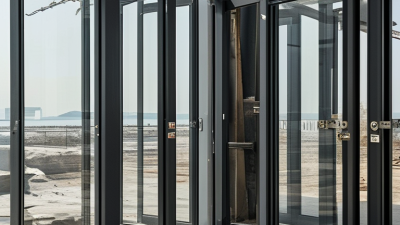
Sliding profiles suit patios and balconies where swing space is limited. They create wide openings and clear sightlines, but the track needs careful drainage and cleaning access. For larger glazed elevations, curtain-wall profiles transfer wind loads through a system designed around the building structure. Mullion depth, glass weight, and thermal movement matter here; a narrow-looking frame is not automatically the right one.
Insulated door profiles need stronger corners and hardware support because they face frequent use and heavier loads. In colder regions, a well-designed thermal break can reduce heat transfer, but installation gaps may still undermine performance. There is no perfect profile. Comparing only frame appearance or a single thermal figure can miss practical issues, such as condensation near a poorly sealed sill. The best fit depends on the opening, exposure, and how reliably the system can be installed.
Choosing an insulated aluminum frame profile starts with the building, not the catalog. Check the frame’s thermal performance, but also compare the complete window or door assembly. Glazing, seals, and installation can change real-world results. Ask for evidence. Look for test data that identifies the tested size and configuration, rather than relying on a profile’s headline rating alone.
Inspect the thermal break: its material, width, and continuity influence heat flow through the frame. Check corner joints and drainage paths, too. A neat sample may hide weak seals or awkward water outlets. Small details matter. If condensation is a concern, assess indoor humidity and local climate alongside frame specifications; no profile can prevent every moisture problem.
Then match the system to the project. Consider opening style, frame depth, glass thickness, wind exposure, and the installer’s experience. Request section drawings and a sample corner, and ask how the frame connects to the wall insulation. Compare maintenance needs and replacement-part availability, not just purchase price. Even a careful shortlist can overlook a practical constraint, such as a deep sill or limited installation clearance. Recheck measurements on site before ordering.