Choosing Aluminum Kitchen Profiles in 2026 requires more than comparing finishes or showroom prices. These profiles frame cabinet doors, support drawer systems, and define daily touch points. Small differences matter. A loose corner, sharp edge, or weak wall thickness can become obvious after months of use.
The International Aluminium Institute projects that global aluminum demand could rise by approximately 80% by 2050. Its industry data also shows that recycling aluminum can save up to 95% of the energy used for primary production. These figures make recycled content, traceability, and responsible processing important selection criteria. European Aluminium’s circularity guidance further encourages designers to consider durability, repair, and end-of-life recovery. The data is not kitchen-specific. That limitation deserves attention.
In practice, buyers should examine alloy grade, temper, wall thickness, dimensional tolerance, and surface treatment. 6063 aluminum is widely used for extruded architectural components because it offers good appearance and corrosion resistance. However, alloy choice alone does not guarantee quality. A powder-coated profile may suit bold colors, while anodizing can preserve a more natural metallic texture. Ask for coating thickness, salt-spray results, test reports, and an environmental product declaration when available. Check the sample under warm and cool lighting. It may look different. Also inspect the joint after repeated opening and closing. A beautiful profile that twists under load is still a poor choice. This guide explains how to compare Aluminum Kitchen Profiles using performance evidence, supplier experience, and realistic lifecycle expectations.
How to Choose Aluminum Kitchen Profiles in 2026?
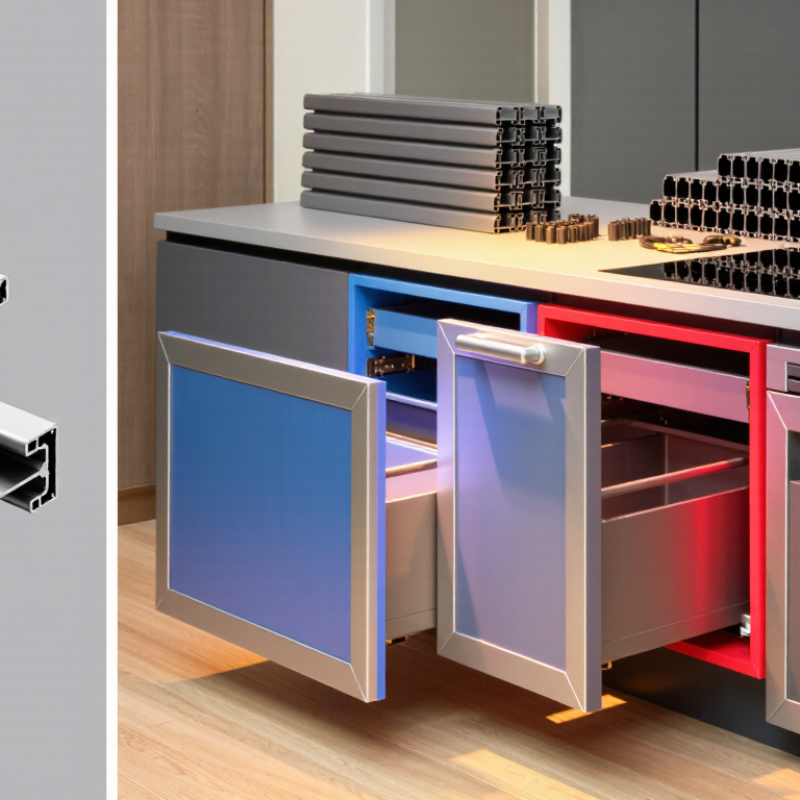
Aluminum kitchen profiles are the slim structural parts around cabinet doors, drawers, shelves, and worktops. They create clean lines while protecting vulnerable edges from moisture and daily impacts. In 2026, this matters more because compact kitchens need stronger storage with less visual weight. A good profile should feel rigid, fit accurately, and remain comfortable during repeated use.
Material choice deserves careful attention. The International Aluminium Institute reports that recycling aluminum can save about 95% of the energy used for primary production. That supports lower-impact kitchen planning, but recycled content alone does not guarantee quality. Ask for the alloy, wall thickness, surface-treatment method, and corrosion-testing details. Finishes should also match the room’s lighting. A dark anodized edge can look elegant in a showroom, yet show fingerprints beside a bright window. No profile is perfect.
Tips: Measure the cabinet panel first. Check corner joints before ordering. Hold a sample near your countertop and handles. Look for smooth edges, consistent color, and firm drawer contact. The U.S. Department of Energy identifies aluminum as a highly recyclable material, but poor installation can still create waste. I have seen small measurement errors cause visible gaps and costly replacements. Leave room for adjustment. Recheck the plan.
How to Choose Aluminum Kitchen Profiles in 2026?
How to Match Profiles With Different Kitchen Design Requirements
Matching aluminum profiles to a kitchen starts with how each area is used. Slim, recessed profiles can create a clean look on flat cabinet fronts, while rounded edge profiles feel softer and can be more comfortable near busy walkways. For open shelving, choose a profile that supports the shelf’s load and suits its thickness. Check the stated load capacity rather than judging by appearance alone. Finish matters, too: brushed surfaces can soften fingerprints, while glossy finishes may show them more clearly under bright task lighting.
Tips: Bring a cabinet-door sample and a small finish sample when comparing profiles. Check the fit at corners, handle clearance, and how the finish looks in both daylight and warm indoor light. Tiny differences show up.
In compact kitchens, narrow profiles can preserve visual space, but they may offer less grip. Families who cook often might prefer a deeper pull that is easy to grasp with wet hands. Measure the door thickness and available clearance before ordering, and confirm that connectors and end caps match the chosen profile. I have seen elegant choices feel awkward after installation; appearance alone is not enough. Consider cleaning access and replacement availability, too. A detail that looks perfect in a showroom can collect crumbs in a real kitchen.
For kitchen profiles, alloy choice affects strength, machining, and corrosion resistance.
The 6063 grade is widely used for extruded profiles because it forms clean edges and accepts anodizing well. It suits cabinet frames, handle channels, and trim.
The 6061 grade is generally stronger, but it may be less convenient for intricate shapes and can cost more.
Ask the supplier for the alloy and temper, not just “aluminum.” Details matter.
Finish should match the kitchen’s workload.
Anodizing creates a durable surface that resists everyday wear and keeps the metal’s texture visible. A brushed finish can soften fingerprints, though grease still shows near the cooktop.
Powder coating offers more color choices and a smooth appearance, but chips may be noticeable if a pan strikes an exposed edge.
Check a sample under your own lighting. Warm LEDs can make silver look surprisingly yellow.
Color is not only decoration.
Champagne, bronze, and matte black can connect profiles to taps, appliances, or cabinet pulls.
For a small kitchen, lighter finishes often keep narrow lines from feeling heavy. Still, matching every metal perfectly can look forced; a close, deliberate contrast may feel more natural.
Compare samples beside your cabinet door and countertop, then view them in daylight and at night. One sample is rarely enough.
Also confirm that the finish is suitable for frequent cleaning, since harsh cleaners can dull some surfaces.
Measure the cabinet opening, door thickness, and finished floor level before selecting an aluminum profile. A few millimeters can affect alignment, reveal gaps, and handle clearance. Check the profile’s stated dimensions against the actual panel and confirm whether it accepts the planned hinge, drawer system, or lighting channel. Do not rely on a product photo; request a section drawing and sample when possible. Small detail. It matters.
Houzz’s 2024 U.S. Kitchen Trends Study surveyed 3,437 homeowners undertaking or planning kitchen renovations; 76% reported upgrading cabinets. That scale of cabinet work makes interface checks practical, not merely cosmetic.
Treat the profile, panel, and hardware as one assembly. Verify screw locations, corner joints, and space for wiring before fabrication. A mismatch can mean recutting panels or visible uneven edges.
Tips: Make a full-size corner mock-up with the intended panel and hardware. Test door swing and drawer travel, then inspect the joints under the kitchen’s actual lighting. Leave room for site variation; walls and floors are rarely perfectly square. I would also record the installer’s adjustment range, since that detail is easy to overlook.
How to Compare Quality, Sustainability, Cost, and Supplier Reliability
Ask for mill certificates, dimensional reports, and coating test results. A profile may look flawless under showroom lights. Tiny twists appear during installation. Specify tolerances before ordering, not after complaints begin. For anodized surfaces, request thickness readings and color consistency records. Sample approval should include cutting, drilling, and corner assembly.
The International Aluminium Institute reports that recycled aluminum requires about 5% of the energy used for primary production. However, “recycled content” can describe different supply chains.
Request recycled-content evidence, product carbon data, and an Environmental Product Declaration when available. IEA analysis identifies aluminum as a significant industrial emissions source. That makes energy sourcing and scrap recovery worth checking. Claims without documents remain weak.
Compare machining, packaging, replacement rates, shipping, and installation labor. The World Bank Commodity Markets Outlook shows aluminum prices remain sensitive to energy and industrial demand.
Locking a price too early can backfire.
Review on-time delivery records, capacity, quality response time, and traceability. Visit the facility if the order is critical.
No supplier score is perfect. A small trial order often reveals more than a polished presentation.