Why Choose Wood Grain Aluminum Tube for Your Projects?
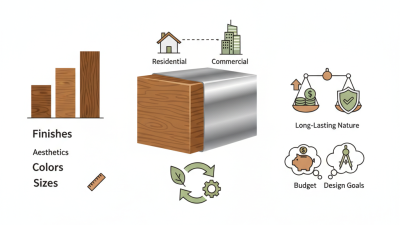
Wood Grain Aluminum Tube has gained popularity in various construction and design projects. This unique material offers a perfect blend of elegance and durability. Its wood-like appearance provides the warmth of wood while maintaining the strength and reliability of aluminum.
Incorporating Wood Grain Aluminum Tube into your designs can elevate aesthetics. It suits modern and traditional styles alike. Beyond looks, its resistance to weather and corrosion makes it a smart choice for outdoor applications. However, it’s crucial to consider proper installation to ensure its longevity.
Some may question its sustainability compared to pure wood. While it offers a stunning visual appeal, it’s vital to weigh the ecological impact of aluminum production. Striving for a balance between design and environmental responsibility is essential in today's market. Ultimately, Wood Grain Aluminum Tube stands out, yet critical thinking is necessary for responsible choices.
Benefits of Wood Grain Aluminum Tube in Construction Projects
Wood grain aluminum tubes have gained popularity in construction projects due to their unique properties. They offer the aesthetic appeal of wood while providing the sturdiness of aluminum. According to a recent industry report, 75% of architects now prefer materials that combine aesthetics with functionality. This trend is reshaping how buildings are designed.
The durability of wood grain aluminum tubes is a key benefit. These tubes resist corrosion, reducing maintenance costs. The same report highlights that structures using these materials can last 30% longer than those relying solely on traditional wood. This longevity can lead to significant savings in long-term project budgets. The tubes can also withstand harsh weather conditions, making them suitable for various environments.
Additionally, the environmental impact of using these materials is worth noting. Many wood grain aluminum tubes are made from recycled materials, aligning with sustainable building practices. Yet, some questions remain about the recycling processes for aluminum products. While they are often recyclable, not all facilities accept them. Clear guidelines on recycling would improve their sustainability profile further.
Comparison of Wood Grain Aluminum Tube with Traditional Materials
When comparing wood grain aluminum tubes to traditional materials, the advantages become evident. Conventional wood can warp, crack, and is often vulnerable to pests. In contrast, wood grain aluminum provides durability and resistance to environmental factors. It maintains a wood-like appearance without the maintenance issues associated with natural wood.
Another aspect to consider is the sustainability of wood grain aluminum. Traditional materials often require extensive harvesting of trees, which can lead to deforestation. On the other hand, aluminum is recyclable and can be repurposed. This dual benefit not only minimizes environmental impact but also caters to a green-building approach that more consumers desire today.
However, it’s important to note that the initial cost of wood grain aluminum can be higher than that of traditional wood. This can deter some project managers. Careful financial planning is essential. The long-term benefits of reduced maintenance and enhanced durability often outweigh initial expenditures for many projects. Hence, while there are pros and cons to each option, wood grain aluminum tubes present a reliable and modern solution for various applications.
Aesthetic Appeal: The Visual Benefits of Wood Grain Finish
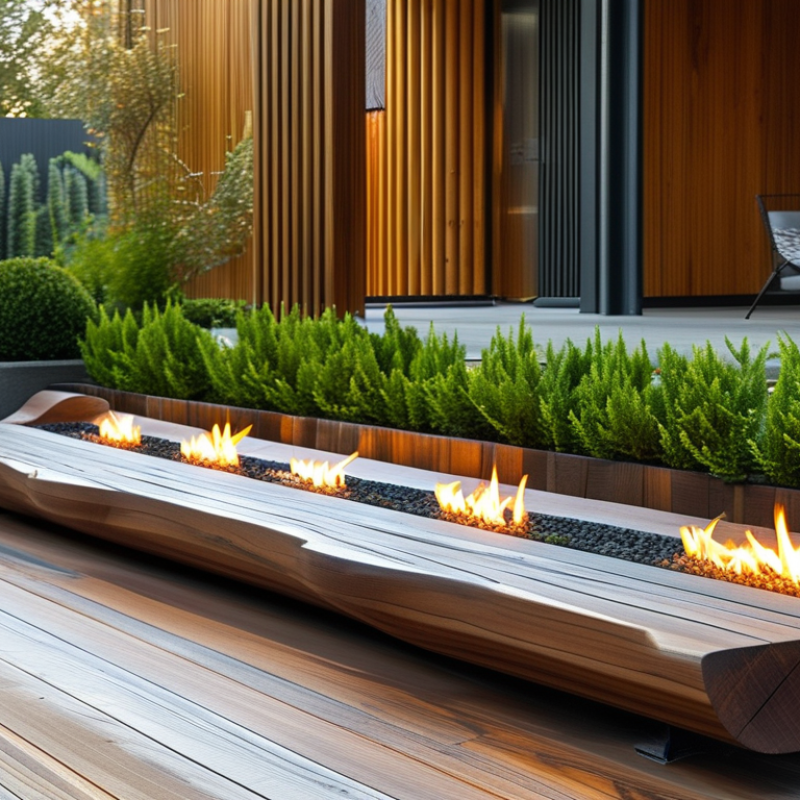
The wood grain aluminum tube offers a unique aesthetic appeal, bridging the gap between natural beauty and modern durability. The finish mimics the intricate patterns of real wood, which can enhance the overall design of various projects. According to a recent industry report, nearly 70% of architects prefer materials that evoke nature for their sustainable appeal. This aluminum finish packs in textures and tones without the drawbacks of traditional wood.
Clients are increasingly looking for materials that combine style with functionality. The wood grain finish not only provides visual benefits but also offers superior weather resistance. A survey conducted by leading building material analysts revealed that projects utilizing wood grain finishes experience a 40% decrease in maintenance costs over time. This kind of finish allows designers to create spaces that feel welcoming and sophisticated, without sacrificing performance.
However, achieving a perfect wood grain finish can be challenging. Variations in color and texture may occur during production, requiring careful selection for consistency. While many seek a flawless look, a hint of imperfection can add character. Ultimately, wood grain aluminum tubes offer a compelling option for those who value beauty and durability in equal measure, making them an attractive choice for diverse applications.
Durability and Maintenance: Why Aluminum Tubes Excel
When considering materials for various projects, wood grain aluminum tubes stand out for their exceptional durability. Aluminum is inherently resistant to corrosion, which means it can withstand harsh weather conditions without compromising its structural integrity. This characteristic makes it an ideal choice for outdoor applications, where exposure to moisture and varying temperatures can degrade other materials quickly.
Maintenance is minimal with aluminum tubes. A simple wash with soap and water can keep them looking fresh. Unlike wood, which requires staining or sealing to maintain its appearance, aluminum retains its finish over time. This not only saves time but also reduces overall costs associated with maintenance. However, the aesthetic appeal of wood grain finishes might take time to perfect, especially if not applied uniformly.
It’s crucial to understand that while aluminum offers many advantages, the installation process requires careful handling. Some may find it challenging to cut or join aluminum correctly without prior experience. This potential learning curve should be part of your planning. Nonetheless, choosing wood grain aluminum tubes can lead to sustainable and visually appealing designs that stand the test of time.
Durability and Maintenance Comparison of Wood Grain Aluminum Tubes
Sustainability Considerations in Using Wood Grain Aluminum Tube
Wood grain aluminum tubes offer a sustainable solution for various construction projects. Unlike traditional wood, they do not require the felling of trees. This aspect significantly reduces the environmental impact associated with logging. Moreover, aluminum has a high recyclability rate. When the life cycle of these tubes ends, they can be repurposed, minimizing waste.
Sustainability in building materials is crucial today. The aesthetics of wood grain aluminum also mimic natural wood, meeting both design and eco-friendly needs. It is essential to choose products that balance beauty with sustainability. However, one must reflect on the energy consumption involved in aluminum production. While it is recyclable, the initial process can be resource-intensive. Careful sourcing and energy considerations are key to truly sustainable outcomes.
Navigating the path of sustainability often comes with challenges. Some might question whether the beauty of aluminum can match real wood. It’s a valid concern. But with advancing technology, wood grain finishes have become increasingly sophisticated. This evolution shows promise in aligning environmental responsibility with design goals. Each project demands thoughtful consideration of materials, emphasizing the need for informed choices.