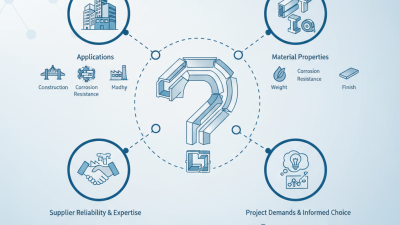
How to Choose Broken Bridge Aluminum Profiles for Your Project?
Choosing the right materials for construction is crucial. One popular choice is Broken Bridge Aluminum Profiles. These profiles offer excellent insulation and durability. However, selecting the right ones can be challenging.
When considering Broken Bridge Aluminum Profiles, it's essential to evaluate your project needs. Think about the climate, structure requirements, and energy efficiency goals. Not all profiles will fit every situation. Some may look appealing but lack performance.
Additionally, quality matters. Seek products from reputable manufacturers. Research their reliability and customer feedback. This will build your confidence in the choice you make. Remember, investing in quality Broken Bridge Aluminum Profiles can save costs in the long run. However, without careful consideration, you might face unexpected challenges. Choose wisely.
Understanding the Basics of Broken Bridge Aluminum Profiles
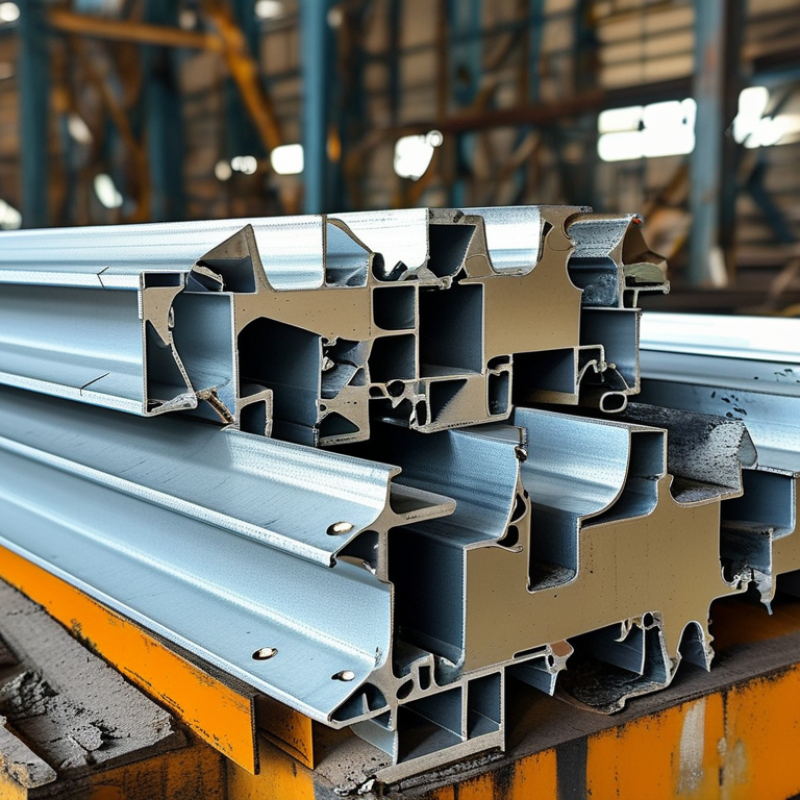
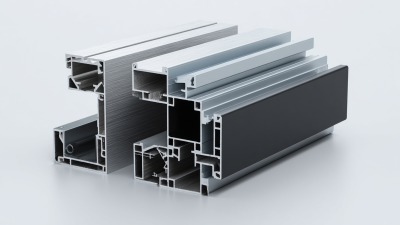
When selecting broken bridge aluminum profiles for your project, understanding their basic features is essential. Broken bridge aluminum profiles consist of two aluminum extrusions separated by a thermal break made of insulating materials. This design minimizes heat transfer, making them ideal for energy-efficient windows and doors. According to the Aluminum Association, these profiles can improve thermal insulation by up to 30%, significantly reducing energy costs.
Environmental impact is another consideration. Studies show that buildings using broken bridge aluminum profiles can lower their carbon footprint. A report by the International Aluminum Institute indicates that using these profiles could lead to a 40% reduction in greenhouse gas emissions compared to traditional materials. However, adequate knowledge is crucial. Not all profiles have the same thermal performance, and selecting low-quality materials may lead to inefficiencies. It's vital to verify certifications and test results to ensure reliability.
Project-specific requirements must also align with the chosen profiles. If a project emphasizes aesthetics, color and finish options are critical. Similarly, structural factors cannot be overlooked. Some projects may require profiles capable of withstanding extreme weather. Balance these considerations carefully, as every project has unique demands that influence profile selection. Recognizing potential flaws in the material is necessary; failing to do so can result in costly renovations later.
Key Characteristics That Make Broken Bridge Aluminum Profiles Unique
When selecting broken bridge aluminum profiles, understanding their unique characteristics is crucial. These profiles offer superior thermal insulation, making them effective in energy-efficient constructions. The design includes a thermal break layer, which reduces heat transfer and keeps interiors comfortable. This feature is essential for both residential and commercial buildings.
Another significant aspect is durability. Broken bridge aluminum profiles are resistant to corrosion and environmental stressors. This longevity ensures that projects remain aesthetically pleasing and functional for years. However, it’s vital to consider the installation quality. Poorly installed profiles can lead to performance issues.
Weight is another consideration. These profiles are lightweight, which simplifies transportation and handling. Yet, their lightweight nature can sometimes lead to concerns about structural integrity under heavy loads. Balancing weight and strength is not always straightforward. Each project demands careful assessment of these factors to achieve optimal results.
Evaluating Thermal Performance: Breakpoints in Aluminum Profiles
When selecting broken bridge aluminum profiles, thermal performance is crucial. The thermal conductivity of aluminum varies significantly. Generally, the thermal transmittance coefficient (U-value) in standard aluminum profiles is around 5.7 W/m²K, while broken bridge profiles can decrease this to 1.8 W/m²K. This can lead to energy savings and enhanced comfort inside a building.
One major factor to consider is the thermal break material used. Polyamide 66 is commonly used for its excellent insulation properties. However, its effectiveness can diminish if not properly installed. A study by the International Aluminum Institute highlights that poorly fitted thermal breaks can reduce performance by up to 40%. Attention to detail during installation is as essential as the materials used.
Moreover, climatic conditions play a significant role. Different regions require distinct performance levels from these profiles. In colder climates, the insulating ability of the profile becomes even more vital. Ignoring local environmental factors can lead to decreased efficiency and higher energy costs. Evaluating the specific needs of your project is the first step toward ensuring successful outcomes. Understanding these key dynamics helps in making informed decisions that align with project goals.
Evaluating Thermal Performance of Broken Bridge Aluminum Profiles
Cost Analysis: Budgeting for Broken Bridge Aluminum Profiles
Choosing broken bridge aluminum profiles involves careful cost analysis. These profiles effectively reduce thermal conductivity, which is crucial for energy efficiency. According to a 2022 industry report, you can save up to 30% on heating and cooling costs by using these profiles. However, the up-front costs can be daunting. On average, broken bridge aluminum profiles are 15-25% higher than standard aluminum profiles. It's essential to align the long-term savings with your budget.
When budgeting, consider factors beyond material costs. Installation expenses also play a significant role. A study by the National Association of Home Builders found that skilled labor accounts for 30-40% of the total installation cost. For complex projects, hire experienced professionals. They can guarantee precision and reduce waste. Mistakes in installation can lead to unexpected expenses and delays.
Tips: Always obtain multiple quotes. This helps in comparing prices and finding the best deal. Consider local suppliers to reduce shipping costs. Assess the warranties offered. A strong warranty indicates quality and reliability, protecting your investment over time. Remember that durability often outweighs initial costs.
Essential Factors in Selecting Finish and Aesthetic Options
When selecting broken bridge aluminum profiles for a project, the finish and aesthetic options play a crucial role. For architects and designers, the visual appeal can significantly impact the overall atmosphere of a space. According to a recent industry report, over 70% of clients prioritize design aesthetics when choosing aluminum profiles. The right finish can enhance not only the look but also the durability of the material.
A variety of finishes are available—anodized, painted, or powder-coated. Each option has distinct advantages. For instance, anodized finishes resist corrosion and wear, making them ideal for outdoor applications. Meanwhile, powder-coated options provide vibrant colors but may require more maintenance. Deciding which aesthetic fits your project involves assessing the local climate and potential environmental factors.
It's critical to consider long-term implications. Darker finishes may show scratches more readily, while lighter colors might fade over time. A 2022 construction study revealed that nearly 65% of professionals wished they had chosen different aesthetic finishes. This underscores the importance of thorough evaluation and thoughtful selection in achieving lasting satisfaction with aluminum profiles.