How to Choose Heat Insulation Aluminum Profile for Your Project?
Choosing the right Heat Insulation Aluminum Profile is crucial for any construction project. These profiles provide excellent thermal efficiency and durability. They help maintain indoor temperatures, reducing energy costs.
When selecting a profile, consider the thermal conductivity and weight. A lighter profile may be easier to install, but it could affect insulation performance. Look for options that balance these factors.
You must also think about the specific needs of your project. Do you need precision fittings? Or general versatility? This decision can impact the overall efficiency and effectiveness of your insulation. Keep in mind that not all profiles will meet your requirements. Reflect on these aspects to make an informed choice.
Understanding the Basics of Heat Insulation Aluminum Profiles
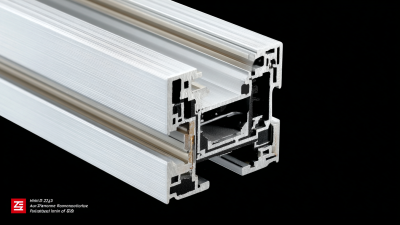
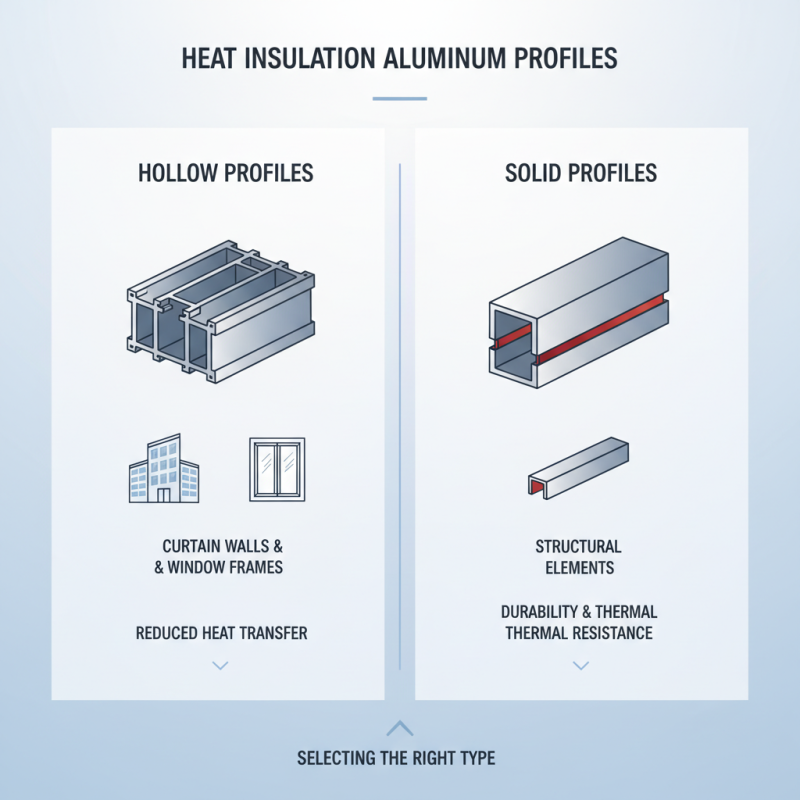
Heat insulation aluminum profiles are vital for construction projects. They help reduce heat transfer. This results in energy savings and improved comfort. Understanding their structure is key for effective use. These profiles typically feature a core insulation material. This core minimizes thermal conductivity. The outer aluminum layer provides durability and aesthetic appeal.
When selecting these profiles, consider factors like thermal resistance and application. Not all profiles will fit every project. Some may offer better insulation properties than others. You might find that certain designs fit your requirements perfectly. However, sometimes the options can be overwhelming. It’s easy to feel confused in the selection process.
Different climates demand different insulation levels. What works well in a cold region may not be ideal in a warmer area. Think about specific needs and local conditions. This decision can seem daunting. Don't rush—take the time to compare your choices. Reflect on how each profile’s design aligns with your project’s goals. Focus on functionality while also considering the aesthetic aspects. It’s the details that often make the difference.
Key Factors to Consider When Selecting Heat Insulation Aluminum Profiles
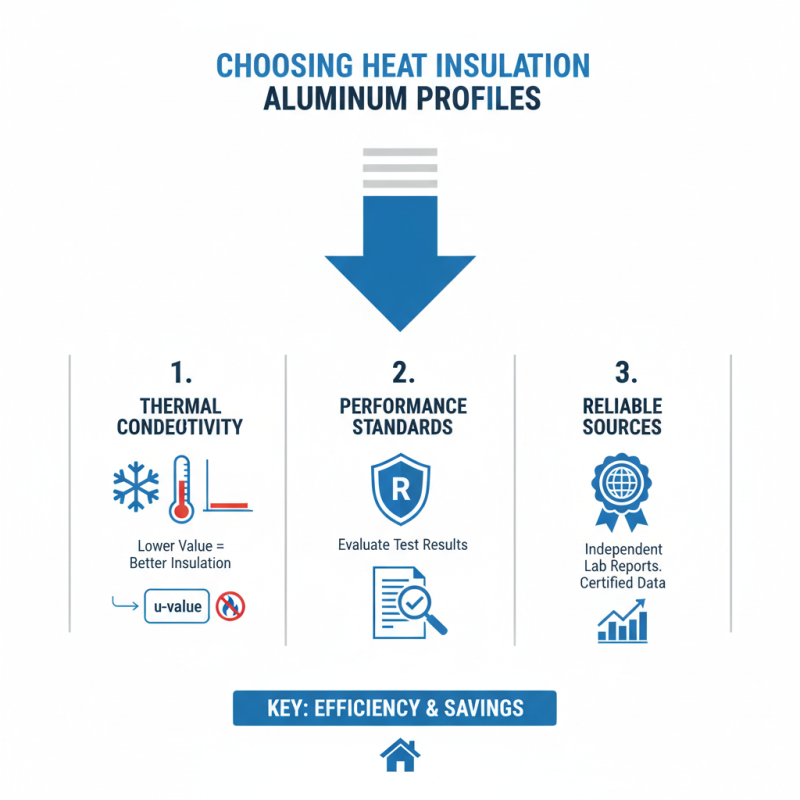
When selecting heat insulation aluminum profiles, consider the thermal conductivity. Lower conductivity means better insulation. Check the material specifications closely. Not all profiles have the same performance.
Tip: Look for profiles with multiple thermal breaks. This enhances insulation efficiency significantly. Proper thermal breaks can reduce energy costs in the long run.
Evaluate the weight and strength of the profiles too. Lighter profiles are easier to install, but they must be durable. Think about the installation location and load requirements.
Tip: Inspect surface treatment options. Coatings can affect not only aesthetics but also long-term performance. A profile that looks good might not always perform well.
Analyze the design and dimensions. Custom sizes may be necessary for specific projects. Don’t settle for standard dimensions if they compromise performance. A well-sized profile makes all the difference in insulation effectiveness.
How to Choose Heat Insulation Aluminum Profile for Your Project?
| Dimension |
Material Properties |
Thermal Conductivity (W/m·K) |
Applications |
Cost per Meter ($) |
| 20 mm x 20 mm |
6063 Alloy |
200 |
Window Frames |
5.00 |
| 40 mm x 40 mm |
6061 Alloy |
170 |
Door Frames |
7.50 |
| 50 mm x 25 mm |
A6060 Alloy |
160 |
Curtain Walls |
6.00 |
| 30 mm x 30 mm |
A6063-T5 |
205 |
Commercial Buildings |
4.50 |
Tips for Sourcing Quality Heat Insulation Aluminum Profiles for Projects
When sourcing heat insulation aluminum profiles, quality is key. Start by understanding your project's specific insulation needs.
Consider the thermal conductivity of the profiles. A lower thermal conductivity indicates better insulation. Check the material's durability and resistance to corrosion.
This can impact the lifespan of your structure.
Evaluate potential suppliers carefully. Request samples to assess the profiles in person. Look for signs of quality like uniformity and strength. Don’t rush the process.
Take your time to compare options. Sometimes, the cheapest choice may lead to problems later. It’s worth spending extra on quality.
An often-overlooked aspect is after-sales support. Ensure your supplier provides assistance if issues arise.
Miscommunication can lead to mismatched expectations. Be clear about your project needs. Gather feedback from others who have used similar profiles.
Their insights can guide you toward better decisions.