How to Choose the Right Aluminium Scaffold Tube for Your Project?
Choosing the right Aluminium Scaffold Tube for your project is crucial for safety and efficiency. Expert James Hargreaves, a specialist in construction materials, emphasizes, “The right scaffold tube can make all the difference in your project’s success.” Selecting the appropriate tube involves considering weight, strength, and intended use.
Aluminium Scaffold Tubes are widely recognized for their lightweight yet sturdy nature. They are favored in various construction projects due to their resistance to corrosion and ease of assembly. However, not all tubes are created equal. Overlooking specifications can lead to serious safety issues. It’s essential to weigh factors like load capacity, compatibility with other equipment, and expected environmental conditions before making a choice.
In this complex industry, understanding different types of Aluminium Scaffold Tubes can be a challenge. Many users may not realize that even small discrepancies in dimensions can affect stability. Therefore, thorough research and consultation with industry experts are vital. This ensures that the selected tubes meet project needs while adhering to safety standards. Reflecting on past experiences, it’s evident that choosing incorrectly can have costly repercussions.
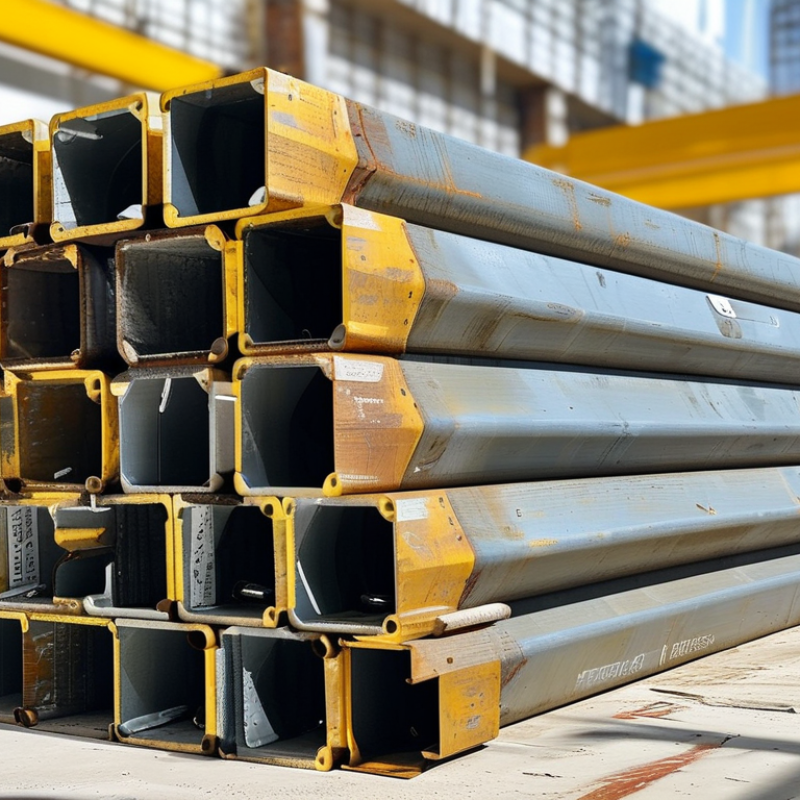
Understanding the Different Types of Aluminium Scaffold Tubes Available
When choosing aluminium scaffold tubes, understanding the options is essential. There are several types available, each designed for specific needs.
Light-duty tubes are often ideal for small projects. They offer enough strength for basic tasks while remaining easy to handle.
Heavy-duty aluminium tubes, on the other hand, cater to larger projects. They are more robust and can support greater loads. However, they can be cumbersome.
Consider the balance between strength and weight when selecting these tubes. You may need to compromise depending on your project’s specific requirements.
Another factor is the finish of the tubes. Anodized tubes provide extra corrosion resistance, making them suitable for outdoor use.
However, they can be more expensive. Reflecting on your budget can help you make educated decisions. It's critical to assess all options carefully.
Choosing the wrong type might lead to safety issues or increased costs.
Key Specifications to Consider When Selecting Aluminium Scaffold Tubes
When selecting aluminium scaffold tubes, certain specifications are crucial. Weight is a primary factor. Lighter tubes are easier to handle but may influence stability. Consider the thickness of the aluminium. A thicker tube typically offers improved strength and durability, essential for high-load situations. Keep in mind, overly thick tubes can add unnecessary weight, complicating transport.
The diameter of the tubes also matters. Standard sizes vary, impacting compatibility with existing equipment. A 48mm diameter is common for scaffolding, providing a balance between strength and portability. Additionally, check for any compliance standards or certifications. Using tubes that meet industry regulations ensures safety and reliability on the job site.
Another key aspect is the finish. Anodized finishes resist corrosion but may affect the tube’s grip. If working in wet or oily conditions, prioritize grip alongside strength. It’s beneficial to reflect on past projects. Often, what appeared ideal didn't meet long-term needs. Taking time to evaluate these specifications can ensure better outcomes and fewer challenges.
Industry Standards and Safety Regulations for Aluminium Scaffold Tubes
When selecting aluminium scaffold tubes, understanding industry standards and safety regulations is crucial. According to the Occupational Safety and Health Administration (OSHA), scaffold components must meet specific load requirements to ensure worker safety. Aluminium tubes, commonly used for scaffolding, should comply with ANSI/SSFI standards. These guidelines outline the structural integrity required to withstand various loads.
Safety regulations require regular inspections of scaffold components. Tubes should be free from dents, cracks, and corrosion. Affected parts must be replaced to maintain safety. The British Standards Institution (BSI) notes that aluminium scaffolding must have a minimum yield strength of 200 MPa. This ensures the material can support intended loads without risk.
Another key aspect to consider is ensuring that the scaffolding is configured correctly. Poor setup can lead to accidents, even with compliant materials. Coordination between the team and proper training in tube handling is essential. A comprehensive understanding of safety regulations not only promotes compliance but also enhances overall project safety. Each worker involved should be aware of their responsibilities in the safety process. This shared understanding reduces risks on site.
How to Choose the Right Aluminium Scaffold Tube for Your Project? - Industry Standards and Safety Regulations for Aluminium Scaffold Tubes
| Property |
Description |
Standards |
Safety Regulations |
| Material Grade |
Aluminium alloy used. |
EN 74-1:2005 |
Must comply with structural integrity tests. |
| Diameter |
The external diameter of the tube. |
ISO 9001 |
Must maintain specified tolerances. |
| Wall Thickness |
Thickness of the tube walls. |
BS EN 12811-1 |
Required load-bearing capacity must be guaranteed. |
| Length |
Available lengths for different applications. |
AS/NZS 1576 |
Must meet height safety regulations. |
Evaluating Load Capacity and Structural Integrity of Scaffold Tubes
When evaluating scaffold tubes, load capacity is essential. Each tube has a specified maximum load it can support. Ignoring this could lead to serious accidents. Check the manufacturer’s guidelines for safe weight limits. You must consider the total load that includes workers, tools, and materials. Overloading can compromise safety and increase the risk of structural failure.
Structural integrity is another critical factor. Assess the material quality and thickness of the tubes. Thinner tubes may be lighter but are more vulnerable to bending and failure. Look for visual signs of wear or damage, such as dents or corrosion. Even minor imperfections can weaken the overall structure. It may be tempting to overlook these details, but doing so could have dire consequences. Regular inspections ensure that every tube remains fit for use.
Comparative Analysis of Cost and Durability Among Aluminium Scaffold Options
When selecting aluminium scaffold tubes, cost and durability are often key considerations. A recent industry report indicates that high-grade aluminium tubes typically range from $3 to $7 per meter, depending on specifications. In contrast, lower-grade options can be surprisingly cheap at around $1 per meter. However, these lower-cost options often sacrifice durability and strength, raising safety concerns.
Durability emerges as a crucial factor during prolonged usage. Many aluminium scaffolding systems can last up to 30 years with proper maintenance. However, cheaper materials may show signs of wear and tear in just a few months. A study by a leading scaffolding association highlighted that 25% of accidents were linked to using substandard materials. This statistic stresses the importance of investing in reliable scaffolding for long-term projects.
When balancing cost and durability, it may be tempting to prioritize the lowest price. Yet that choice can lead to costly repairs and increased liability. Scaffolding failure can result in serious accidents, affecting not only project timelines but also workforce safety. Therefore, understanding the true value of aluminium scaffold tubes is essential for making informed decisions.