2026 Top Aluminium Scaffold Tube Suppliers Worldwide?
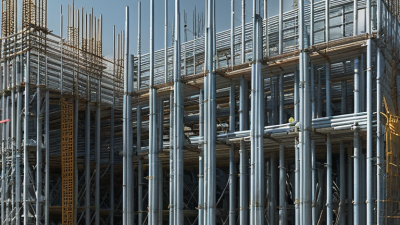
The 2026 search for the world’s top Aluminium Scaffold Tube suppliers requires more than comparing catalogue prices. Construction demand is becoming more urban, more regulated, and more focused on lightweight access systems. The United Nations Department of Economic and Social Affairs projects that 68% of the global population will live in urban areas by 2050. That shift supports continued demand for dependable scaffolding components, especially in infrastructure, maintenance, and high-rise construction.
Industry reports from Grand View Research and Fortune Business Insights identify construction expansion, modular systems, and rental activity as important scaffolding market drivers. Yet market growth does not automatically prove supplier quality. Buyers should examine tube alloy, wall thickness, dimensional tolerance, weld consistency, surface condition, load documentation, and batch traceability. A bright tube is not necessarily a safe tube. That detail matters on a crowded site, where couplers must grip cleanly and platforms must remain stable under repeated loading.
The International Aluminium Institute also reports that aluminium recycling can use about 95% less energy than primary production. This strengthens aluminium’s sustainability case, although recycled content must still meet engineering requirements. Supplier evaluation should include production capacity, independent testing, export experience, packaging quality, and after-sales technical support. Standards and certification should be verified for the destination market, not assumed from a supplier’s website. This ranking may remain imperfect because public supplier data is inconsistent across regions. Still, transparent evidence can narrow the field and help contractors choose reliable Aluminium Scaffold Tube partners in 2026.
What Are Aluminium Scaffold Tubes and Why Are They Used?
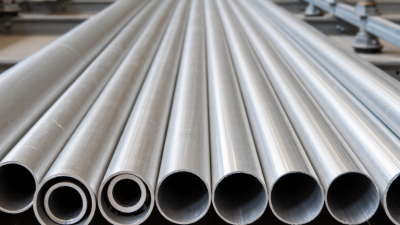
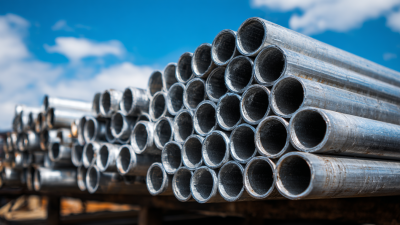
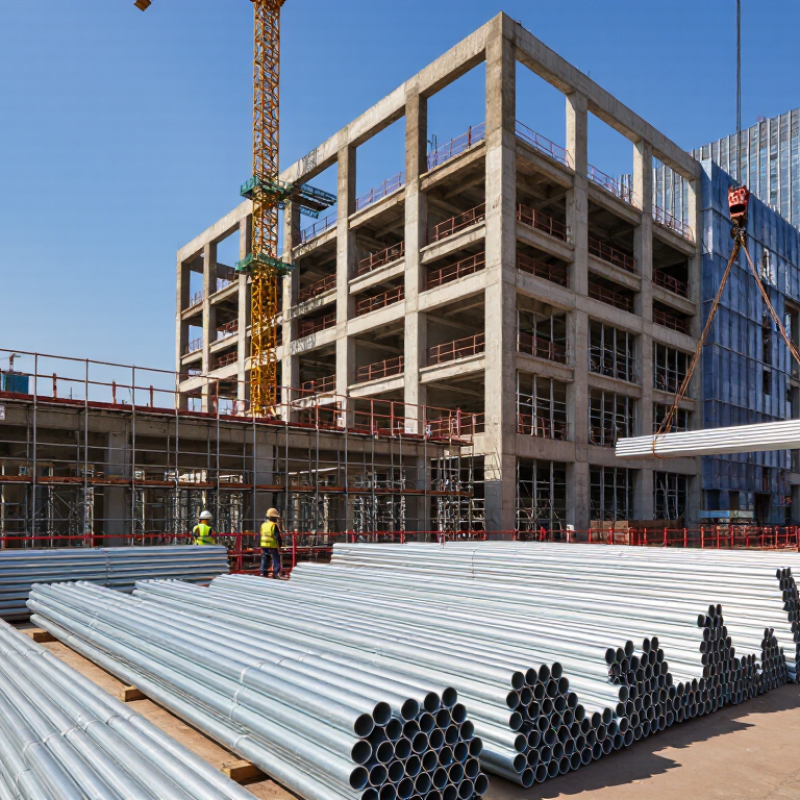
Aluminium scaffold tubes are hollow, round structural members made from engineered aluminium alloys. They form frames, guardrails, access towers, and temporary working platforms. Their main advantage is weight. Aluminium is usually easier to carry than steel, especially when workers move tubes across uneven floors or narrow stairways. Less lifting strain matters. It can also reduce installation time on smaller projects.
Aluminium naturally forms a thin oxide layer, which helps resist ordinary atmospheric corrosion. This feature suits outdoor maintenance, marine-adjacent work, and frequently relocated scaffolding. However, aluminium is not magic. It can dent under impact, lose strength at elevated temperatures, and react with certain metals in wet conditions. Correct couplers, protective interfaces, and documented load limits remain essential. A lightweight tube still requires careful engineering.
Reliable suppliers should provide alloy details, tube dimensions, wall thickness, production traceability, and independent test records. Buyers should also check whether the tubes match local scaffold regulations and approved connection systems. On site, experienced crews inspect every tube for bends, deep scratches, crushed ends, and corrosion marks before assembly. One small defect can affect a whole bay. That point is sometimes underestimated. Supplier selection should therefore consider technical support, packaging, replacement consistency, and delivery reliability, not only price. A cheaper tube may create fitting problems or encourage unsafe improvisation.
How to Evaluate Aluminium Scaffold Tube Suppliers in 2026
In 2026, evaluating an aluminium scaffold tube supplier requires more than comparing price lists. Request traceable alloy certificates, wall-thickness records, and production dates for every batch. A reliable supplier should explain the alloy grade, temper, outside diameter, and dimensional tolerance clearly. Ask for independent test reports covering tensile strength, elongation, weld quality, and corrosion resistance. Numbers matter. So does consistency.
Experienced buyers should inspect samples before approving a container order. Measure several tubes with a calibrated gauge, check straightness on a flat bench, and examine cut ends for cracks or burrs. Discuss load calculations with a qualified engineer, especially for decks, towers, and uneven ground. The supplier should provide assembly guidance, inspection procedures, and replacement advice. Vague answers are warning signs. Documentation must match the delivered material, not an older sample.
Evaluate manufacturing controls, worker training, packaging, and delivery records, because damaged tubes can disrupt site planning. Ask how the supplier handles rejected batches and customer complaints. A transparent process builds trust, even when errors occur. I would also compare lead times against realistic project schedules, rather than accepting optimistic promises. One weakness is easy to miss: a polished certificate cannot prove careful handling after production. Visit the facility when possible, speak with technical staff, and record every agreed specification before payment.
What Standards and Certifications Should Buyers Check?
2026 Top Aluminium Scaffold Tube Suppliers Worldwide: What Standards and Certifications Should Buyers Check?
When sourcing aluminium scaffold tubes, buyers should verify the standard behind every strength claim. EN 755-2 can confirm mechanical properties for aluminium extruded products, including tensile strength and yield performance. EN 10204 inspection documents can provide batch-specific material evidence. Ask for the alloy grade, temper, wall thickness, and heat number. These details should match the purchase order.
For mobile access towers, EN 1004-1:2021 is often relevant in European procurement. Other markets may require local standards, such as ANSI or AS/NZS requirements. Do not treat ISO 9001 as proof of scaffold safety. It confirms a quality management system, not product performance. Request independent load-test reports for the exact tube diameter and connection design. Check whether testing covers bending, compression, fatigue, and corrosion conditions. A certificate can look convincing and still answer the wrong question.
Review the certificate scope carefully. It should identify the manufacturer, facility, product range, test method, issue date, and expiry status. Confirm traceability from the delivered bundle to the original material record. Welding may require qualified procedures and documented inspection. Surface finish also matters near coastal sites. Anodizing or coating claims need supporting specifications, not vague phrases. Some documents may be incomplete. That is a warning, not a minor inconvenience. Supplier audits, sample measurements, and controlled packaging checks can reveal problems before installation.
How to Compare Prices, Quality, Delivery, and Support
2026 Top Aluminium Scaffold Tube Suppliers Worldwide
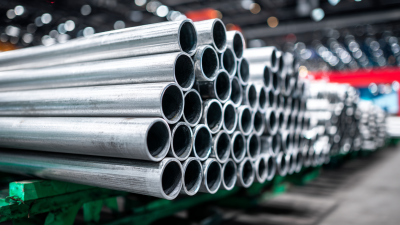
Comparing aluminium scaffold tube suppliers requires more than checking the lowest quotation. Ask for the alloy grade, outside diameter, wall thickness, and tested load data. Reliable suppliers should provide traceable inspection reports and clear dimensional tolerances. Request physical samples when surface finish or straightness matters. Measure twice.
Price comparisons must include packaging, tooling, transport, duties, and payment terms. A cheap tube can become expensive after dented bundles arrive. In one purchasing review, a small wall-thickness variation caused fitting problems during assembly. The supplier corrected the batch, but the delay affected the work schedule. That experience still influences how I assess quotations.
Delivery promises need specific dates, production capacity, and shipment tracking. Ask how the supplier protects tubes from scratches and moisture during transit. Support also matters after payment. Test response speed with technical questions before placing an order. Can the team explain tolerance limits clearly? Can they handle a replacement claim with photographs and batch numbers? A polished website proves little. Written records, consistent answers, and practical after-sales action provide stronger evidence. Some comparisons remain imperfect, especially when suppliers use different testing methods. Note those differences instead of forcing one simple ranking.
2026 Top Aluminium Scaffold Tube Suppliers Worldwide? How to Compare Prices, Quality, Delivery, and Support
A practical 100-point procurement scorecard for comparing aluminium scaffold tube suppliers. The suggested weighting reflects the main purchasing factors: certified product quality, total cost, delivery performance, technical support, and documentation.
How to use it: Score each supplier from 0 to 100 in every category, then apply the suggested weighting. Quality and compliance receive the highest weight because tube strength, dimensional accuracy, corrosion resistance, and traceability directly affect scaffold safety and long-term performance.