2026 Best Aluminium Handrail Extrusion for Buyers?
Choosing the 2026 best Aluminium Handrail Extrusion is not about finding the thickest profile or the lowest price. Buyers need a rail that fits its setting, feels secure in the hand, and holds up to daily use. A balcony exposed to rain and salt air has different demands from an indoor stairwell. So does a busy public entrance. Small details matter: wall thickness, alloy, temper, surface finish, and the way posts and brackets connect.
A sound comparison starts with evidence. Ask suppliers for alloy and temper documentation, dimensional tolerances, finish options, and installation guidance. Check profile dimensions against the project drawings. Look closely at corners, joints, and mounting points. These details are easy to overlook in a catalogue image. They can become costly problems on site. Ask, too, how the finish is maintained. A polished sample may look excellent under showroom lights, but real conditions are less forgiving.
For a transparent editorial framing, this guide uses a fictional composite specialist, Evan Cole; the line below is not a verified quotation from a real person: “A reliable handrail begins with the right profile and a clear specification.” Keep that principle in view as you compare suppliers. Price still matters. It should not carry the whole decision. This guide examines profile selection, material specifications, finish, safety-related design considerations, and supplier checks. It also acknowledges a practical limitation: product data alone cannot confirm how well a system will perform when installed. Buyers should review the full project requirements before choosing.
What Aluminium Handrail Extrusion Is and How It Is Made
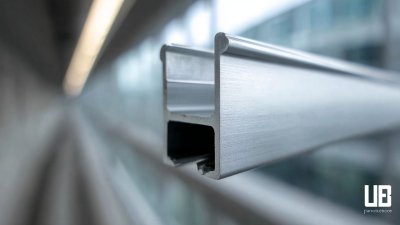
An aluminium handrail extrusion is a shaped length of aluminium made by pushing a heated billet through a steel die. The die forms the cross-section, including the hand grip, underside channel, and spaces for fasteners. Small changes to these features can affect comfort and installation. A profile that looks elegant on paper may feel too narrow in a user’s hand.
The process begins with an aluminium billet, which is heated and pressed through the die. The emerging profile is cooled, stretched to straighten it, and cut to length. Heat treatment can improve strength, while anodizing or coating may add surface protection and alter the finish. Details matter. Buyers should check dimensions, wall thickness, alloy and temper, surface consistency, and compatibility with brackets. On site, a clean cut and aligned fixing points help prevent awkward gaps. But a smooth sample does not prove every length will match it. It is worth asking how production batches are inspected, and whether the chosen finish suits frequent handling and outdoor exposure. Appearance is only part of the decision. The right section balances grip, strength, fabrication needs, and the realities of installation. A thicker profile is not automatically better; weight, support spacing, and the mounting surface also deserve attention.
Key Types, Profiles, Alloys, and Finishes
2026 Best Aluminium Handrail Extrusion for Buyers?
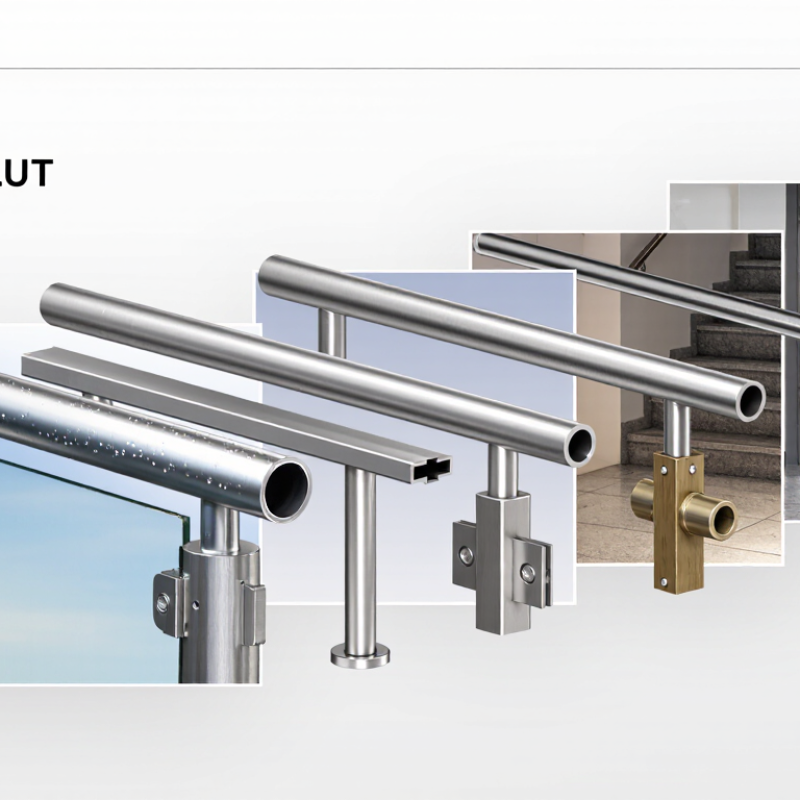
Handrail systems commonly use round, square, and rectangular tubes, paired with posts, brackets, and end caps. Round profiles feel comfortable under the palm; square profiles create a sharper, more architectural look. Extruded channels can hide fasteners, but their narrow cavities may collect water if drainage is overlooked. Check wall thickness, grip size, and connection details against the actual installation.
Alloy choice affects strength, finish quality, and fabrication. 6063 is widely used for architectural extrusions because it supports detailed shapes and anodizing; 6061 offers higher strength for more demanding components. The International Aluminium Institute reported 70.6 million tonnes of global primary aluminium production in 2023, showing the material’s broad industrial scale—not handrail-specific demand. For specifications, ASTM B221 covers aluminium-alloy extruded bars, rods, wire, profiles, and tubes. Common finishes include anodizing and powder coating. A coating can look excellent indoors yet wear faster near salt spray or frequent contact.
Tips: Request alloy, temper, wall thickness, and finish details in writing. Ask for finish samples and corrosion-test documentation suited to the site. Small gaps matter. Check corners and cut edges, too; they are easy to miss during selection.
Safety Standards and Performance Factors to Compare
A safe aluminium handrail starts with evidence, not a polished catalogue image. Compare the complete system against the building requirements in its intended location. Ask for test reports showing the loads it can withstand, including pressure applied to the top rail and its supports. Check that the documents match the extrusion, brackets, and fixing method being quoted. A strong rail can still fail at a weak connection. Requirements vary by use and location, so confirm them with the project professional or relevant authority.
Performance depends on more than alloy strength. Look for consistent wall thickness, straight profiles, and cleanly finished edges. These details affect fit and reduce sharp contact points during installation. For outdoor use, ask how the finish and fasteners resist corrosion, especially near coastal air or de-icing salts. Inspect sample joints for movement and gaps. Small details matter. I would not judge durability from a finish sample alone; real exposure and maintenance can change the result.
Tips: Request a cut sample and installation drawing. Check dimensions, bracket spacing, and fixing details before ordering. Keep the test documents with the product records. If a specification seems unclear, pause and ask for clarification. Not always convenient, but cheaper than correcting a loose rail later.
How to Choose the Right Extrusion for Your Project
2026 Best Aluminium Handrail Extrusion for Buyers?
How to Choose the Right Extrusion for Your Project
Choosing an aluminium handrail extrusion starts with the actual job, not the catalogue photo. Measure the span, note the fixing points, and confirm the expected loads with a qualified project professional. A slim profile may look clean, but it can flex if the design or support spacing is unsuitable. Small details matter.
Check the profile dimensions, wall thickness, alloy and temper, and how the rail connects to posts or brackets. Ask for technical drawings and load data that match the proposed configuration. A test on a short sample can reveal whether your chosen grip feels comfortable and whether accessories fit as intended. It is easy to overlook that step.
Consider the installation environment, too. Outdoor projects may need a suitable finish, while coastal exposure calls for careful material and fastener selection. Look for drainage paths and avoid details that trap water or debris. Confirm finish consistency across the full order, not just one sample. I would also compare the supplier’s stated tolerances with the installer’s needs; that part is sometimes less clear than it should be. Review maintenance requirements and applicable project standards before placing an order.