The 2026 search for reliable Wooden Aluminium Oval Pipe suppliers begins with material evidence, not attractive catalog images. The International Aluminium Institute reported global primary aluminium production at approximately 72 million tonnes in 2024. This scale confirms strong supply capacity, but it does not guarantee consistent oval tubing quality.
Wood-effect aluminium profiles require careful control at several stages. The supplier should identify the alloy, wall thickness, oval dimensions, and dimensional tolerances. EN AW-6063 is commonly selected for architectural extrusion because it offers useful formability and surface quality. However, alloy choice alone is insufficient. Buyers should request coating specifications, adhesion results, color references, and batch traceability. Qualicoat guidance is also relevant when suppliers provide architectural powder coatings.
The global aluminium market remains significant. The U.S. Geological Survey’s Mineral Commodity Summaries 2025 estimated worldwide aluminium smelter production near 72 million metric tons in 2024. Yet a large market can hide uneven supplier performance. Small details matter. A 0.5-millimeter dimensional variation may affect a curved handrail or furniture frame. A slightly mismatched wood grain can make an entire installation look artificial.
This supplier guide evaluates manufacturing experience, extrusion capability, finishing consistency, packaging, export documentation, and after-sales support. Factory photographs help, but independent inspection is stronger evidence. Samples should be checked under daylight and warm indoor lighting. No ranking is perfect. Lead times, minimum order quantities, and regional certification requirements can change quickly. The most dependable Wooden Aluminium Oval Pipe supplier is therefore not always the cheapest. It is the partner that explains limitations clearly, supplies repeatable samples, and supports measurable quality decisions.
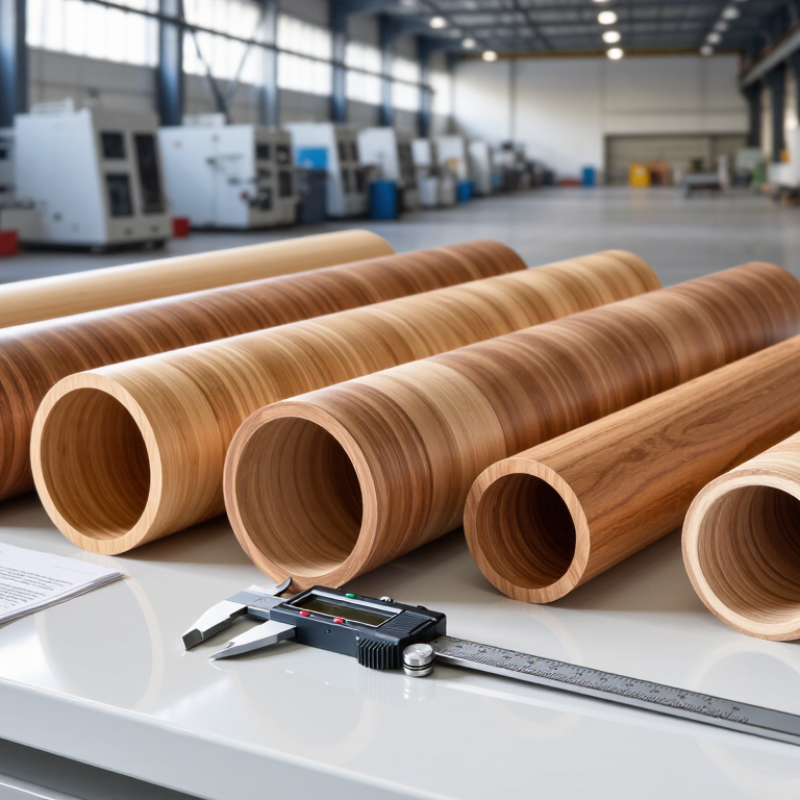
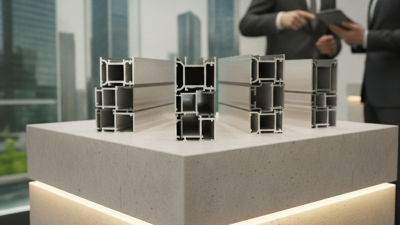
A wooden aluminium oval pipe is usually an oval aluminium tube designed to look or feel like wood. It is not solid timber. Manufacturers may apply a wood-grain powder coating, transfer film, or real-wood veneer over an aluminium core. The term is not perfectly standardized. Ask suppliers for the exact construction, coating process, wall thickness, and dimensional tolerance.
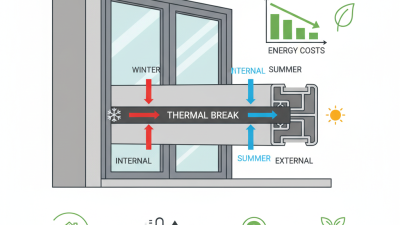
The aluminium core provides a useful balance of low weight, stiffness, and moisture resistance. That matters for handrails, furniture frames, screens, and interior fittings exposed to changing humidity. According to the International Aluminium Institute, recycling aluminium requires about 95% less energy than producing primary aluminium. Its industry data also indicates that roughly 75% of all aluminium ever produced remains in use. These figures support aluminium’s circularity, but they do not prove every product is sustainable. Transport, coatings, adhesives, and local recycling access still matter.
According to the International Aluminium Institute, recycling aluminium requires about 95% less energy than producing primary aluminium. Its industry data also indicates that roughly 75% of all aluminium ever produced remains in use.
When comparing suppliers in 2026, request cross-section samples and finish panels. Check whether the wooden appearance remains consistent around the oval curve. Some films stretch unevenly near tight radii. That small defect can become obvious under bright lighting. Request coating adhesion, abrasion, UV, and corrosion test results, preferably linked to recognized architectural coating standards. Confirm whether the pipe is decorative or structural. A beautiful surface cannot replace engineering evidence. Supplier claims should be reviewed against independent laboratory reports, yet smaller projects often skip this step. That is where avoidable disappointment begins.
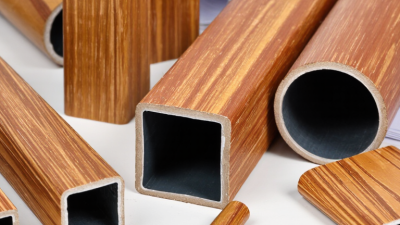
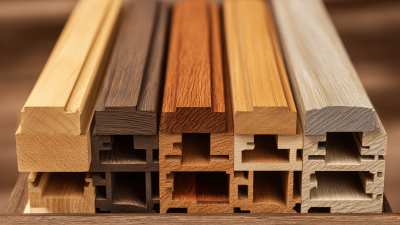
Wooden aluminium oval pipes combine an aluminum core with a wood-look surface. They suit projects needing warmth without solid timber’s weight. I have seen them used in stair railings, furniture frames, retail displays, and interior partitions. Their oval shape feels comfortable in the hand. It also creates a softer visual line than square tubing. Aluminum resists moisture, insects, and warping better than untreated wood. The finish can imitate oak, walnut, or darker stained timber. However, no printed surface looks perfectly natural. Close inspection may reveal repeated grain patterns.
These pipes are practical for hospitality interiors, offices, transport fittings, and residential renovations. Their low weight can simplify cutting, drilling, and installation. They also support consistent dimensions across long projects. Good suppliers should provide alloy details, wall thickness, finish samples, and dimensional tolerances. Ask how the surface handles sunlight, cleaning chemicals, and repeated contact. A sample test matters more than a polished catalogue. Some finishes scratch sooner than expected. That trade-off needs honest evaluation.
Tips: Request a physical sample first. Check the grain from different angles. Measure oval dimensions with calipers. Confirm compatible connectors before ordering. For handrails, test comfort and grip carefully. Store pipes away from standing water and sharp tools. If the finish feels too artificial, consider a subtler grain pattern. Supplier reliability also depends on clear lead times, protective packaging, replacement policies, and traceable quality records.
When evaluating wooden aluminium oval pipe suppliers, begin with the material itself. Ask whether the product is solid aluminium, wood-coated aluminium, or a layered construction. These options perform differently under heat, moisture, and repeated handling. Request a physical sample, not only polished photographs. Measure the oval width, wall thickness, and straightness with simple calipers. Small deviations can create visible gaps during installation.
Ask for evidence. A reliable supplier should provide alloy details, coating specifications, production tolerances, and recent quality records. Check whether test reports match the exact product, finish, and batch you may receive. Inspect the surface under angled light. A convincing wood pattern should remain consistent around curved edges, without bubbles, sharp ridges, or sudden color changes. Samples should also reveal how the finish reacts to cutting and drilling.
Supplier evaluation also depends on process control. Visit the factory when practical, or request timestamped production photos and packaging details. Confirm batch labeling, moisture protection, protective film, and replacement procedures for damaged pieces. Clarify lead times in writing, including sampling and rework. A supplier who answers technical questions clearly is usually easier to manage later. However, communication alone proves little. I have seen attractive samples fail because bulk production used thinner walls. That risk deserves attention, and perhaps a second sample before approval.
Practical evaluation matrix for wood-grain aluminium oval pipes used in furniture, interior decoration, retail fixtures and architectural applications
| Evaluation Category | Key Dimension | Recommended Benchmark for 2026 | Evidence to Request | Suggested Weight | Why It Matters |
|---|---|---|---|---|---|
| Product Geometry | Oval profile accuracy | Confirm width, height and corner-radius tolerances on the approved drawing; a practical target is approximately ±0.10–0.20 mm for standard extruded sections. | Technical drawing, inspection report and production samples measured with calibrated instruments. | 10% | Accurate dimensions support consistent assembly, clean joints and reliable installation. |
| Material Quality | Aluminium alloy and temper | The alloy and temper should match the application, commonly a 6000-series extrusion grade for a balance of strength, formability and corrosion resistance. | Material certificate stating alloy, temper, chemical composition and mechanical properties. | 12% | Alloy and temper influence strength, machinability, surface quality and service life. |
| Wall Construction | Wall thickness consistency | Specify a design range, often about 1.0–3.0 mm for decorative and furniture profiles, based on load, span and machining requirements. | Cross-section drawing, wall-thickness inspection data and sample cut sections. | 10% | Consistent walls reduce distortion, weak spots, excess weight and fitting problems. |
| Wood-Grain Finish | Surface appearance and texture | The grain direction, color, gloss level and texture should remain consistent across the approved reference sample and production batch. | Signed color standard, physical control sample, batch photographs and inspection criteria. | 12% | Wood-effect aluminium is selected largely for its visual consistency and decorative performance. |
| Coating Performance | Adhesion, abrasion and weather resistance | Request test results relevant to the intended environment, including coating adhesion, surface abrasion and UV or outdoor exposure performance where applicable. | Independent or in-house test reports with test method, sample details and test date. | 12% | Testing helps determine whether the decorative finish can withstand handling, cleaning and environmental exposure. |
| Corrosion Protection | Resistance to moisture and salt exposure | For humid or coastal projects, require a documented corrosion-resistance specification and testing appropriate to the installation environment. | Corrosion test report, pretreatment description and recommended cleaning procedure. | 8% | Correct pretreatment and coating systems reduce blistering, discoloration and premature surface failure. |
| Customization | Tooling and profile development | The supplier should provide drawing review, die-development guidance, prototype approval and documented change control for custom oval sections. | Tooling quotation, development schedule, prototype process and revision records. | 8% | Well-controlled customization reduces development delays and prevents dimensional conflicts. |
| Production Capacity | Minimum order quantity and repeatability | Compare minimum order quantity, monthly capacity, batch repeatability and the ability to reserve material for repeat orders. | Written capacity statement, production plan and previous batch consistency records. | 8% | Capacity planning is important for projects requiring multiple colors, lengths or phased deliveries. |
| Quality Control | Inspection system | A complete process should cover incoming aluminium, extrusion, surface treatment, color matching, final dimensions and packaging. | Quality manual, control plan, inspection checklist and nonconformance procedure. | 10% | A documented inspection system improves traceability and reduces defective deliveries. |
| Compliance | Regulatory and project documentation | Documentation should be matched to the destination market and project needs, such as declarations, restricted-substance information and relevant fire or building requirements. | Compliance declarations, product data sheet, safety data where applicable and traceability records. | 7% | Proper documentation supports procurement approval, project audits and responsible material selection. |
| Logistics | Packaging and delivery protection | Profiles should be individually protected against scratches, separated to prevent rubbing and packed to minimize bending during transport. | Packaging specification, loading photographs and written claim-handling procedure. | 6% | Decorative surfaces are vulnerable to scratching and deformation during handling and shipping. |
| Commercial Value | Total landed cost | Compare aluminium, finishing, tooling, packaging, freight, inspection and potential replacement costs rather than unit price alone. | Itemized quotation with Incoterms, payment terms, tooling charges and validity period. | 7% | A transparent cost structure makes supplier comparisons more accurate and reduces unexpected charges. |
| Service Reliability | Communication and corrective action | Evaluate response time, technical competence, sample follow-up, issue ownership and the ability to provide a written corrective-action plan. | Communication records, sample schedule and corrective-action examples with confidential information removed. | 8% | Responsive technical support can prevent delays when drawings, colors or installation details change. |
Choosing a wooden aluminium oval pipe supplier requires more than comparing prices. Check alloy grades, wall thickness, ovality tolerance, wood stability, and bonding performance. Ask for measured samples, not attractive catalog images. International Aluminium Institute data shows recycling aluminium can save about 95% of the energy used for primary production. A supplier should therefore document recycled content, energy sources, and material traceability. Those records reveal experience and reduce greenwashing risks.
Testing matters. Request reports for corrosion resistance, coating adhesion, moisture movement, load capacity, and dimensional accuracy. For outdoor projects, inspect a finished sample after heat, humidity, and freeze-thaw exposure. ISO 9001 certification supports process control, but it does not guarantee product quality. Review the actual inspection plan. This is where many buyers become too trusting. Also compare minimum order quantities, tooling charges, replacement policies, and delivery reliability. A low quotation can hide expensive rework.
Tips: Send one detailed drawing with tolerances, finish requirements, timber species, and installation photos. Ask suppliers to explain every deviation in writing. Verify test reports with the issuing laboratory when possible. Use a pilot order before signing annual supply terms. The best supplier may not offer the lowest price. It should provide repeatable dimensions, stable wood, consistent aluminium, and clear communication. Delivery data from the International Aluminium Institute and broader manufacturing benchmarks also suggest that traceability is becoming more important, although small suppliers may still lack complete carbon records. That gap deserves careful questioning.
2026 Best Wooden Aluminium Oval Pipe Suppliers?
Choosing a reliable wooden aluminium oval pipe supplier requires more than comparing prices. Define the oval width, height, wall thickness, alloy, temper, and required lengths. Specify the wood-effect finish, grain direction, gloss level, and acceptable color variation. A clear drawing prevents avoidable disputes.
Order a physical sample before approving a large production run. Inspect the surface under natural and warehouse lighting. Check for scratches, pinholes, uneven grain, sharp edges, and inconsistent coating. Measure the outside dimensions with a calibrated vernier caliper. Record the wall thickness at several points. It should match the agreed tolerance, not merely look correct. Ask for coating data, batch identification, inspection records, and packaging details. Photograph each inspection.
Supplier verification needs evidence. Review the supplier’s legal business details, manufacturing address, production capacity, and quality-control procedures. Request recent test reports that match the actual alloy and finish. A video tour helps, but it is not a factory audit. Speak with two recent customers if possible. Their comments about repeat orders, damage rates, and communication are useful. I once focused too heavily on the sample and overlooked weak protective packaging. That mistake caused avoidable transport damage. Build packaging checks into the purchase order, including corner protection, moisture control, labels, and replacement terms. Keep every approved drawing and email. Small assumptions become expensive later.
Recommended verification coverage for ordering, quality checks, and supplier evaluation. The percentages represent practical inspection and documentation targets for a reliable sourcing process, not company-specific performance.
How to use this chart: Prioritize suppliers that can provide complete material traceability, verified alloy and wood specifications, dimensional consistency, protective packaging, and repeatable pre-shipment inspection records.