Leave Your Message

7 Tips for Buying Wood Grain Aluminum Square Pipes?

Wood Grain Aluminum Square Pipes combine the warm appearance of timber with the practical qualities of aluminum. They are used for gates, pergolas, screens, fences, and decorative frames. Yet the product name alone tells you little about its finish, dimensions, or suitability for a specific project. Small details matter.

This guide outlines seven useful checks before you buy. You will learn how to assess the wood-grain finish, confirm the pipe’s size and wall thickness, and compare coating quality. It also covers supplier information, samples, pricing, and delivery details. These checks can help you ask clearer questions and reduce avoidable surprises.

Look closely at a physical sample when possible. A finish that appears convincing in a small online image may look different across a full-length section. Lighting can change the apparent color, too. Measure twice. Confirm whether listed dimensions refer to outside measurements, and ask for technical specifications rather than relying on photographs alone. A low price may deserve a closer look, but it does not prove poor quality. Likewise, polished marketing does not prove durability. There is no single finish or specification that suits every application. Consider the location, exposure, design, and installation method before deciding. Some buyers focus heavily on appearance and overlook the profile’s structural requirements. That is worth questioning. The following tips offer a practical starting point, not a substitute for project-specific advice. Check the details, compare like with like, and choose Wood Grain Aluminum Square Pipes that match both your design goals and intended use.
7 Tips for Buying Wood Grain Aluminum Square Pipes?

Understanding Wood Grain Aluminum Square Pipes and Their Uses

7 Tips for Buying Wood Grain Aluminum Square Pipes

Understanding Wood Grain Aluminum Square Pipes and Their Uses

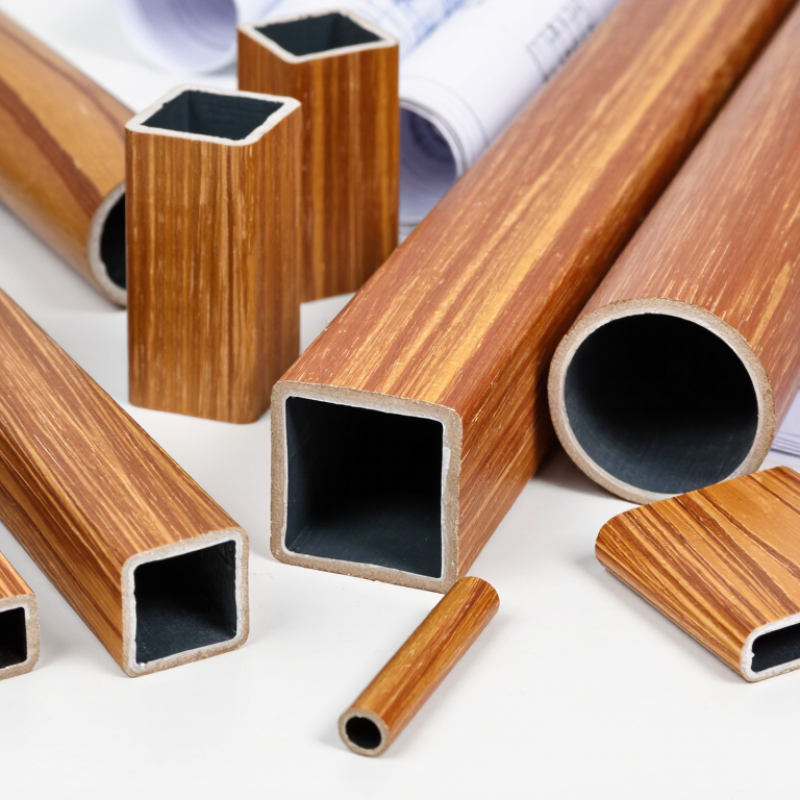
Wood grain aluminum square pipes are hollow aluminum profiles with a decorative wood-like finish. They offer a lighter alternative to solid timber and resist rot, termites, and ordinary moisture. Common uses include garden fences, pergolas, balcony screens, handrails, ceiling frames, and interior partitions. A 40 × 40 mm profile may suit a light screen, but structural demands require careful engineering.

Check the alloy, wall thickness, and actual dimensions before ordering. These details affect strength, cutting, and connection methods. Ask for coating information, color samples, and adhesion test results. A sample can look excellent under showroom lighting yet appear different outdoors. Color consistency matters across different production batches. It is an easy detail to overlook.

Inspect the surface for pinholes, scratches, uneven grain, and sharp edges. Confirm whether the profile is suitable for indoor or outdoor exposure. Coastal projects need stronger corrosion protection and suitable fasteners. Plan drainage for hollow sections, especially around open ends. Use compatible screws and avoid crushing the pipe during installation. I have seen attractive panels fail because installers ignored expansion gaps. The material is reliable, but it is not self-correcting. Check tolerances, packaging, delivery length, and replacement procedures in writing. Small documentation gaps can become expensive site problems.
Choosing the Right Dimensions, Alloy, and Wall Thickness

Buying wood grain aluminum square pipes starts with dimensions, not color. Measure the outside width, height, length, and connection clearance at the installation site. A 40 × 40 mm tube may not fit a 40 mm opening after coating and tolerance changes. ASTM B221 covers many extruded aluminum tube products, but suppliers can use different tolerance classes. According to the 2024 U.S. Geological Survey Mineral Commodity Summaries, global primary aluminum production reached approximately 70 million metric tons in 2023. Supply is broad, yet quality still depends on the extrusion process and inspection records.

Alloy selection should match the load and the surface finish. The 6063 alloy is commonly chosen for clean extrusion lines and decorative architectural profiles. The 6061 alloy offers higher strength, but it may need more careful finishing and machining. Wall thickness deserves practical attention. A 1.2 mm wall can suit light screens, while 2.0 mm or more may perform better around fasteners and exposed corners. These are starting points, not universal rules. Wind, span, joint design, and local engineering requirements can change the specification. The Aluminum Association’s standards data emphasizes that alloy temper affects mechanical performance, not alloy number alone. Ask for the temper, tensile data, coating thickness, and batch inspection results.

Measure twice. Samples can mislead. A beautiful wood grain surface cannot compensate for weak corners, poor squareness, or insufficient wall thickness.

Evaluating Wood Grain Finishes and Surface Quality

Wood-grain aluminum square pipes can look convincing at a distance, but close inspection reveals uneven transfer, blurred grain, or a glossy patch that breaks the timber effect. Check several faces under daylight, not just a showroom spotlight. The grain should continue cleanly around corners, and the color should remain consistent along the full pipe. Look for scratches, pinholes, bare edges, and trapped dust. Small flaws matter; they can become obvious on a long railing or screen.

Tip: Ask how the finish was tested. AAMA 2604 and AAMA 2605 specifications include five-year and ten-year South Florida outdoor exposure tests, respectively. These are test durations, not guarantees that a finish will look unchanged for that many years. Request the applicable test documentation and confirm it covers the coating system being supplied. A smooth sample is useful, but it cannot prove long-term performance by itself.

Compare samples against the same reference in shade and direct sun. Wood tones can shift noticeably with lighting. Rub a clean, dry cloth gently across the surface and inspect for loose residue, while avoiding harsh cleaners that may damage the coating. Also check cut ends and concealed faces; finish quality is not always uniform there. One awkward detail: grain alignment may vary between production batches, even when the color code matches. Ask for a production sample before approving a large order.

Checking Manufacturing Standards and Product Durability

When buying wood grain aluminum square pipes, ask for the alloy, temper, wall thickness, and manufacturing standard—not just a color sample. ASTM B429 covers aluminum-alloy extruded structural pipe and tube; request documentation showing the supplied profile’s dimensions and mechanical properties meet the specified grade. Check cut ends for even walls and corners, and inspect several lengths for twisting or dents. Small defects matter when pipes must align in a screen or pergola.

Durability depends on both the aluminum and its finish. Ask whether the coating system has been tested against a recognized architectural coating specification, such as AAMA 2604 or 2605, and request test records for weathering, adhesion, and color retention. A salt-spray result alone cannot predict years of outdoor service. It is only one test. The International Aluminium Institute reports that about 75% of all aluminum ever produced remains in use; that points to aluminum’s recyclability, not a guarantee that any one pipe will last.

Check the project’s exposure, especially coastal air, standing water, and contact with dissimilar metals. A sample can look convincing indoors, yet fade or scratch differently outside. That part is easy to overlook.

Comparing Suppliers, Pricing, and After-Sales Support

When comparing suppliers of wood grain aluminum square pipes, request the same specifications from each: outside dimensions, wall thickness, alloy, finish, and order quantity. A sample can reveal details that a price sheet cannot. Check the grain pattern in daylight, run a cloth over the surface, and inspect the corners for uneven coating. Small differences matter when pipes meet at eye level.

Look beyond the unit price. Ask whether cutting, protective film, packaging, and delivery are included, and confirm how prices change with custom lengths or larger orders. Compare the quoted lead time with your project schedule. A low offer may exclude important services, while a higher one may include them. Get each detail in writing. Pricing tables can look clear, then leave room for confusion.

After-sales support is easiest to judge before payment. Ask how damaged pieces, color variation, or measurement errors are handled, and how quickly the supplier responds to questions. Keep samples and written specifications for comparison when the shipment arrives. A few extra photos during installation can help document a concern. Still, not every finish will look identical across batches; I have seen buyers expect perfect visual matching and feel disappointed. It is worth asking what variation is considered acceptable before placing a large order.