Leave Your Message

7 Aluminium Ceiling Profile Buying Tips for Global Buyers

Ceilings are lightweight, but their material choices matter. The 2022 Global Status Report for Buildings and Construction, produced by UNEP and GlobalABC, estimated that buildings and construction represented 34% of global energy demand and 37% of energy- and process-related carbon emissions in 2021. These figures describe the sector, not any single ceiling product. Still, they explain why buyers increasingly examine material origin, service life, and environmental documentation alongside price.

Aluminium can offer low weight and corrosion resistance, but performance depends on the alloy, profile geometry, coating, and installation environment. The International Aluminium Institute’s Aluminium Sector Greenhouse Gas Pathways to 2050 highlights the importance of production pathways in reducing the sector’s emissions. For buyers, recycled-content claims are useful only when suppliers can support them with traceable evidence, such as a product-specific environmental declaration. Paperwork matters.

This guide presents seven practical buying tips for global purchasers. It covers dimensions and tolerances, alloy and temper, finish quality, load requirements, system compatibility, supplier verification, and shipping protection. Ask for drawings, test results, and samples; then compare them against the project specification. A bright sample may still conceal uneven coating or inconsistent dimensions. That is easy to miss. No checklist can replace a site-specific review, especially in humid or coastal conditions. Careful questions before ordering can prevent costly adjustments after delivery.
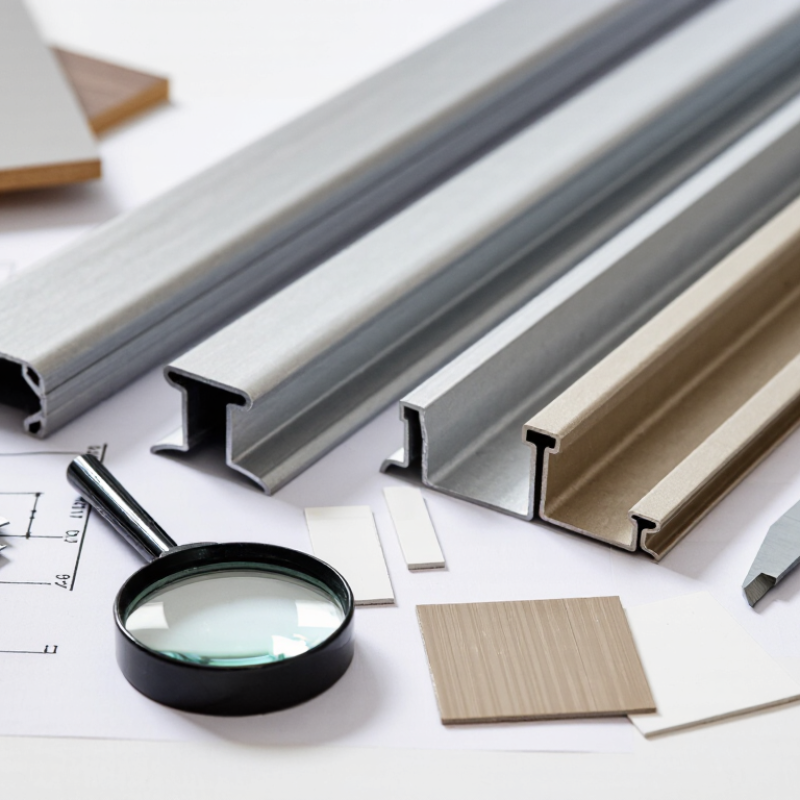
7 Aluminium Ceiling Profile Buying Tips for Global Buyers

Understanding Aluminium Ceiling Profiles and Their Applications

7 Aluminium Ceiling Profile Buying Tips for Global Buyers

Understanding Aluminium Ceiling Profiles and Their Applications

Aluminium ceiling profiles are shaped components that frame, support, or finish suspended ceiling systems. They can define clean edges, connect ceiling panels, and create shadow gaps or transitions between materials. In a corridor, a narrow perimeter profile may conceal an uneven wall edge; in an open office, a grid system helps keep panels aligned. Profiles may also provide routes for lighting or access panels, but they should not be treated as structural support unless specifically designed for that purpose. Details matter.

Applications vary with room conditions and design needs. Commercial interiors often use profiles for accessible ceilings and coordinated lighting. Homes may use simpler edge trims around kitchens or bathrooms. Aluminium is relatively light and can resist corrosion, though the finish and surrounding environment still matter. A coastal or humid site needs careful material and coating selection. Even experienced teams can overlook this. A profile that looks right on a drawing may not suit the actual ceiling build-up.

Tips: Check profile dimensions against panel thickness, ceiling type, and installation details. Confirm finish, colour, and compatibility with nearby components before ordering. Ask for load and installation guidance where the system requires it. Measure the site, including corners and service openings; small discrepancies can become visible gaps. Keep samples for comparison under the room’s lighting. Specifications help, but site conditions can still surprise you.
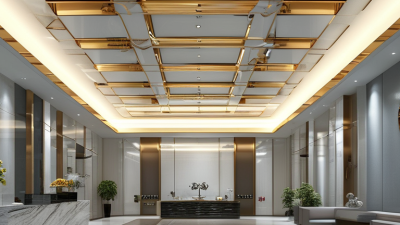
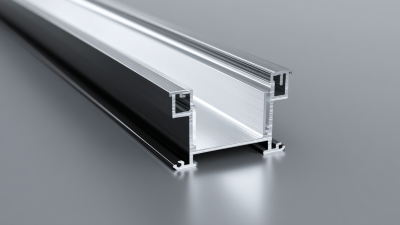
Identifying the Right Profile Type for Your Ceiling Design

Start with the ceiling’s visual language, not a catalogue image. An exposed T-grid suits modular tiles and makes individual panels easy to remove. Good for service access. Concealed profiles create a smoother plane, but they require accurate panel edges and careful installation. Linear or baffle profiles add rhythm to corridors, lobbies, and open offices. Choose them when the ceiling itself should remain visible.

Match the profile type to the ceiling material and support method. Measure tile thickness, panel width, and reveal size before comparing product drawings. A narrow shadow gap can look refined, but small dimensional errors may make it uneven. Check whether the profile is a perimeter trim, a carrier, or both; these parts are not automatically interchangeable. For integrated lighting, confirm the channel dimensions, diffuser fit, and room for wiring. A profile that looks slim on screen may feel heavy across a small room.

Consider access, finish, and site conditions alongside appearance. In humid areas, ask for details about the alloy and surface finish, rather than assuming every aluminium profile performs the same way. Review fixing points and load information with the project designer; decorative trim should not be treated as structural support without evidence. Request a short sample. Handle it, compare its finish with the ceiling panel, and check the joint at a corner. Drawings help, but they do not reveal every installation surprise.

Comparing Alloy, Finish, Dimensions, and Performance

When comparing aluminium ceiling profiles, start with the alloy and temper, not appearance alone. Common extrusion alloys such as 6063 can provide a smooth surface and consistent profile shape, but the temper affects strength. Ask for the material specification and confirm it matches the intended span and installation. A polished sample is useful, though it cannot show every production variation.

Finish changes both appearance and maintenance. Anodizing can create a durable, metallic look, while powder coating offers a wider color range. Check coating thickness, color consistency, and cleaning guidance. In humid or coastal spaces, ask how the finish performs in the expected environment. Small details matter. A finish that looks right under showroom lights may appear different beneath cool LED panels.

Tips: Measure the ceiling grid, profile length, and available clearance before ordering. Confirm dimensions, tolerances, joint details, and compatible accessories against the project drawings. For longer spans, verify load and deflection data rather than relying on a heavier-looking section. Compare samples under the actual room lighting. I still find that drawings can miss awkward corners, so a small site check is worth the time. Performance also depends on installation quality, support spacing, and accurate cutting. A profile is only as reliable as its fit.

Evaluating Suppliers, Certifications, and Quality Control

When assessing aluminium ceiling profile suppliers, ask who controls extrusion, surface finishing, and packing. A trading office may coordinate production well, but subcontracting can make batch traceability less clear. Request a process map and inspection records from a recent order. Check that certificates are current, independently verifiable, and relevant to the product or factory. A logo on a brochure proves little. Documentation requirements differ by project and destination, so confirm them with your project team or testing adviser.

Set written limits for profile width, wall thickness, straightness, and coating variation before ordering. Ask how these are measured, and whether gauges or other inspection tools are calibrated. For colour checks, compare samples under consistent lighting; a showroom sample can hide differences visible across a large ceiling. Small details matter. Review batch labels, protective film, and carton strength too, since damaged edges may appear only after transport. Agree on a pre-shipment inspection and how defects will be recorded. Even a careful checklist can miss something, especially when specifications are vague. Clear records make disagreements easier to resolve.

7 Aluminium Ceiling Profile Buying Tips for Global Buyers - Evaluating Suppliers, Certifications, and Quality Control
Buying Tip What to Evaluate Evidence to Request Practical Quality Check
1. Define the application and performance requirements Specify whether the profile is for a suspended ceiling, perimeter trim, linear system, or another use. Confirm dimensions, load requirements, installation method, indoor or outdoor exposure, and applicable local regulations. Approved drawings, project specification, installation details, and a written list of applicable market requirements. Check that the proposed profile and accessories match the drawings and installation system. Do not assume that one profile specification suits every ceiling application.
2. Verify alloy, temper, and material traceability Confirm the aluminium alloy and temper required for forming, strength, and finish. Check that the supplier can trace production batches to material records. Material test certificate or mill test report identifying the alloy and temper, plus batch or lot identification. EN 573-3 is a reference for wrought aluminium alloy chemical composition; EN 755-2 covers mechanical properties of extruded rod, bar, tube, and profiles. Match the material documents to the delivery lot and purchase specification. A standard reference does not, by itself, establish that a particular product meets the project requirements.
3. Agree profile dimensions and tolerances before ordering Review cross-section, wall thickness, length, straightness, squareness, and any slots or punched features. State the measurement method and acceptance limits in the purchase specification. Dimensioned production drawings, a tolerance schedule, and inspection records. EN 755-9 provides dimensional and form tolerances for extruded profiles. Measure samples against the approved drawing using suitable calibrated equipment. Apply the agreed specification and tolerance standard rather than relying on an unspecified “standard tolerance.”
4. Assess finish and corrosion requirements Specify mill finish, anodizing, or organic coating, along with colour, gloss, surface appearance, and exposure conditions. Define acceptance criteria with the supplier. Finish specification, coating or anodizing process details, sample panels, and batch inspection results. ISO 7599 is a reference for anodizing of aluminium and its alloys; ISO 2360 describes a method for measuring non-conductive coatings on non-magnetic conductive base materials. Inspect representative samples for colour consistency, visible defects, and coating coverage. Agree the measurement method and limits in advance; no single coating thickness or colour tolerance is appropriate for every project.
5. Check certifications and the scope behind them Confirm that management-system certificates are current and cover the relevant manufacturing site and processes. Check product or regulatory documents against the destination market and intended use. Certificate copies with scope, site, validity dates, and issuing-body details; applicable product declarations or test reports where required by the project or local law. Verify certificates with the issuer or its public register where available. ISO 9001 certification concerns a quality management system; it is not a product certificate or proof that a profile meets a particular drawing.
6. Review the quality-control and inspection plan Ask how incoming material, extrusion, machining, finishing, and final packing are checked. Clarify defect classification, sampling frequency, corrective action, and handling of non-conforming goods. Process flow, inspection and test plan, sample inspection reports, calibration records, and a documented corrective-action process. Request a pre-shipment inspection against the agreed drawings and acceptance criteria. For recurring orders, compare inspection records across batches and investigate unexplained variation.
7. Confirm logistics, packaging, and order terms Review production lead time, minimum order quantity, pack length, bundle protection, shipping method, delivery terms, and responsibility for damage or shortages. Written quotation, packing specification, delivery schedule, order confirmation, and agreed process for claims and replacements. Check that profiles are protected against abrasion, bending, and moisture-related damage during handling and transit. Confirm that labels identify the item, finish, dimensions, and batch where required.

Checking Pricing, Lead Times, Packaging, and Shipping Terms

An aluminium ceiling profile quote is useful only when its assumptions are visible. Compare price per finished length, not kilogram. Alloy, temper, wall thickness, finish, and cutting tolerance all affect the final cost. Ask whether tooling, samples, protective film, and export packing are included. Small omissions add up. A low figure may exclude dies or custom bundle sizes, so compare matching specifications.

Lead times deserve the same scrutiny. Ask for separate estimates for extrusion, surface treatment, inspection, and packing. Then confirm what starts the schedule: deposit, approved drawings, or sample approval. For repeat orders, check whether the quoted dates reflect current production capacity. Leave room for drawing corrections and port congestion. Dates can slip.

Packaging should suit the profile’s length and surface. Long sections need rigid supports, edge protection, and secure strapping; check whether bundles can shift inside the container. Request photos of a trial pack, especially for coated finishes that may rub during handling. Agree on bundle labels, moisture protection, and procedures for transit damage. Specify shipping terms in writing, including the named place or port, who pays loading and freight, and which Incoterms edition applies. It is tempting to chase the lowest price. Recheck the final packing list against the order; careful checks can still miss details.

7 Aluminium Ceiling Profile Buying Tips for Global Buyers

Typical international transit-time planning ranges by shipping method (days)

Use these indicative ranges for initial planning only. Actual transit times vary by route, season, customs clearance, and carrier schedules. When comparing quotations, confirm the delivery term, production lead time, packaging protection, and whether the quoted transit time includes customs clearance.