Leave Your Message

China Best Insulated Aluminium Window Profiles Supplier

Choosing a China-based supplier for Insulated Aluminium Window Profiles requires more than comparing prices. These profiles influence thermal comfort, condensation control, acoustic performance, and long-term façade stability. A serious manufacturer should explain alloy grades, thermal-break materials, wall thickness, coating systems, and production tolerances clearly. Details matter. A well-designed profile can support energy-efficient windows in homes, offices, hotels, and demanding commercial projects. Yet performance depends on complete window fabrication, glass selection, hardware, installation, and local climate. No extrusion can solve every design problem alone.

This guide examines what makes a supplier dependable, from billet sourcing and precision extrusion to CNC processing, powder coating, anodizing, and quality inspection. Look for documented testing, stable batch records, sample approvals, and practical export experience. Ask for thermal transmittance data, airtightness results, water resistance evidence, and applicable certification. Factory visits or video audits can reveal more than polished brochures. Check how the team handles tooling changes, damaged goods, replacement parts, and communication across time zones. Small responses often expose larger habits.

The strongest partnerships are transparent about limitations. A supplier may offer competitive lead times, but unusual colors or complex sections can require additional tooling. Even experienced teams can miss a detail when drawings change late. That risk deserves a written review process. This article helps buyers compare Chinese manufacturers with evidence, not slogans. It focuses on technical capability, consistent quality, responsible communication, and support after delivery. The goal is simple: select Insulated Aluminium Window Profiles that perform reliably in real buildings, not only in a sample room.
China Best Insulated Aluminium Window Profiles Supplier

What Are Insulated Aluminium Window Profiles?

What Are Insulated Aluminium Window Profiles?

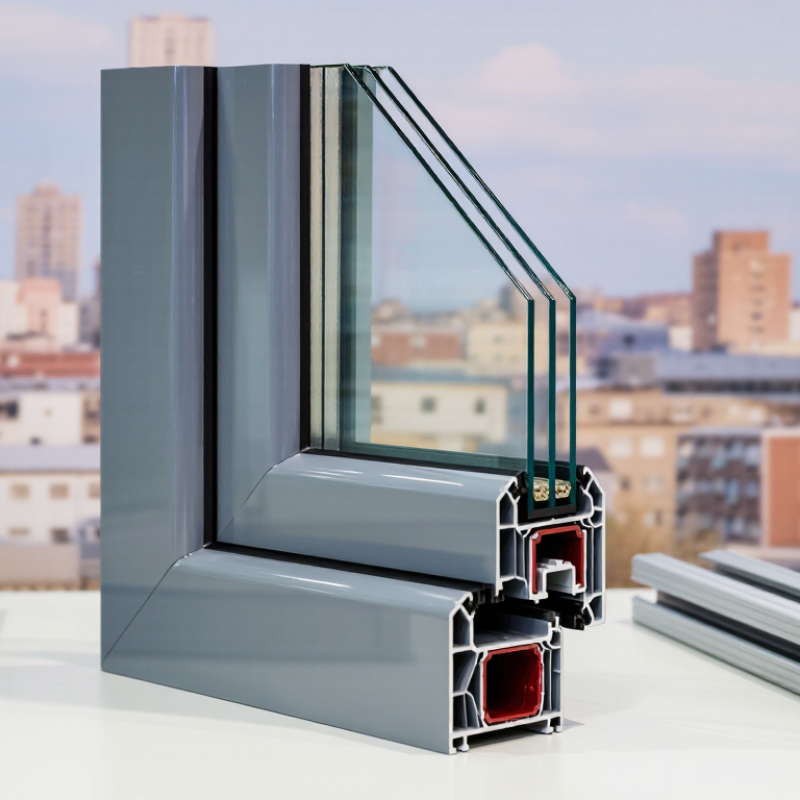
Insulated aluminium window profiles are frame systems designed to reduce heat transfer through aluminium windows. They usually contain two aluminium sections joined by a thermal break. This separator is commonly made from a low-conductivity polyamide material. It limits the cold bridge between the indoor and outdoor surfaces.

In practical use, the profile supports the glass, seals, hardware, and drainage channels. A well-designed section may include multiple chambers, reinforced corners, and accurately positioned gaskets. For example, during a winter inspection, the interior frame should feel less cold than a standard aluminium frame. It should also reduce condensation around the window edges. Performance depends on the complete window, not the profile alone. Glass thickness, spacer quality, seal compression, and installation accuracy all matter.

Aluminium offers strength with relatively slim sightlines. It resists warping and supports large glazed areas. However, not every insulated profile suits every building. A coastal project may need stronger surface protection, while a cold region may require deeper sections and wider thermal breaks. Poor drainage can still cause trouble. So can careless installation. Factory testing, material certificates, and clear thermal data help buyers compare products honestly. The stated U-value should match the tested configuration, rather than an attractive isolated number. A perfect profile does not exist. Careful specification does.
Key Features of High-Performance Thermal Break Profiles

China Best Insulated Aluminium Window Profiles Supplier

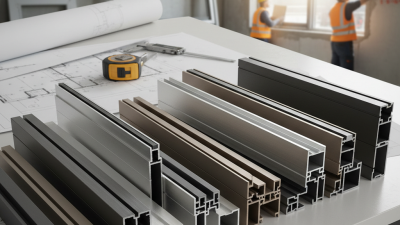
High-performance thermal break profiles reduce heat transfer through the aluminium frame. A reinforced polyamide strip separates the inner and outer sections. Multi-chamber designs improve insulation around the glass edge.

Small details matter.

The International Energy Agency reported that buildings consumed about 30% of global final energy in 2022. The U.S. Department of Energy also notes that windows can represent 25–30% of household heating and cooling energy use. These figures explain why profile design deserves more attention than appearance alone. For reliable comparisons, engineers should check Uf values under EN ISO 10077-2 conditions. A well-designed system may reach Uf values near 1.8 W/m²K, although results depend on width, reinforcement, seals, and hardware.

On-site experience shows that weak corners often cause trouble. Continuous gaskets, accurate crimping, and insulated drainage paths help prevent cold spots and air leakage. Low-emissivity glazing cannot correct a poorly assembled frame. That part is often underestimated. Air-tightness testing and thermal-camera inspections can reveal defects after installation. Factory reports should identify test methods, sample dimensions, and tolerances, not only attractive numbers.

Thermal performance is never created by the profile alone. Glass, spacers, seals, installation gaps, and local climate all influence the final result. Some specifications look impressive on paper but perform less well in real buildings. That deserves honest review.

How Insulated Aluminium Window Profiles Are Manufactured in China

China Best Insulated Aluminium Window Profiles Supplier

How Insulated Aluminium Window Profiles Are Manufactured in China

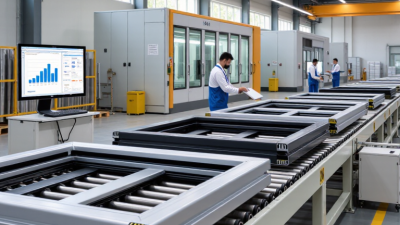
China’s insulated aluminium window profiles begin with carefully tested aluminium billets. The billets are heated, then pushed through precision dies to create hollow frame sections. After extrusion, profiles undergo straightening, cutting, and artificial aging. This improves strength and dimensional stability. The process is not flawless. Die wear can change corner geometry, so experienced factories inspect samples from every production batch.

Thermal performance depends on more than aluminium. Manufacturers insert reinforced polyamide strips between the inner and outer frame chambers. These strips reduce heat transfer and help limit condensation. CNC machines then prepare drainage holes, locking channels, and corner joints. Surface treatments may include powder coating or anodizing, with coating thickness checked against project specifications. Small scratches matter.

Insulated glazing is assembled separately. Spacers, sealants, and Low-E glass are combined in controlled conditions. Factory teams commonly test air permeability, water tightness, wind resistance, and thermal transmittance under relevant standards, including China’s GB/T 8478. The International Energy Agency reported that buildings consumed about 30% of global final energy in 2022. This places greater pressure on window manufacturers to improve frame and glass performance together. A frame with excellent laboratory results can still underperform if installation gaps remain unsealed. That detail deserves more attention.

How to Evaluate a Reliable Chinese Profile Supplier

Choosing a reliable Chinese insulated aluminium window profile supplier requires more than comparing prices. The 2024 Global Status Report for Buildings and Construction states that buildings consume about 32% of global energy and produce 34% of global carbon emissions. Thermal performance is therefore a commercial issue, not just a technical detail.

Request alloy certificates, thermal-break specifications, and independent test reports. A dependable supplier should identify alloy grade, temper, wall thickness, and polyamide strip dimensions for every batch.

Ask for samples cut from actual production, not only showroom pieces. Inspect the strip connection, corner surfaces, coating uniformity, and profile straightness. Small defects matter.

Factory evidence matters most.

During supplier evaluations, a polished sample can create false confidence. I once treated appearance as proof of quality; that assumption needs correcting. Review extrusion records, die-maintenance logs, inspection procedures, and batch traceability. ISO 9001 certification is useful, but it does not replace production evidence.

Confirm testing under relevant standards for air permeability, watertightness, wind resistance, and thermal transmittance. The International Aluminium Institute reports that recycled aluminium requires roughly 5% of the energy used for primary aluminium production. Ask how recycled content is controlled, rather than accepting a vague sustainability claim.

Reliable communication also leaves a record: clear drawings, revision dates, tolerances, corrective actions, and realistic lead times. A supplier that admits a limitation may be safer than one promising perfection.

Applications, Standards, and Quality Considerations

Choosing a China-based insulated aluminium window profiles supplier requires more than comparing catalogue prices. These profiles suit apartments, offices, schools, hotels, and coastal buildings. Thermal-break systems reduce heat transfer through the frame. They also help limit interior condensation during cold mornings.

Applications should guide the specification. Large façades need strong mullions, accurate corner joints, and tested wind resistance. Homes may prioritise low U-values and comfortable indoor temperatures. Relevant standards can include EN 14351-1, ASTM E283, ASTM E331, and ASTM E330, depending on the project location. Ask for current test reports, alloy certificates, coating records, and batch traceability.

A reliable supplier should explain test conditions clearly, not only present impressive numbers. In practice, performance can decline when installation gaps are poorly sealed. That detail is often overlooked.

Tips: Confirm the thermal-break material and its width. Check profile straightness before fabrication. Inspect coating colour under daylight. Request samples with real gaskets and hardware. Compare measured air leakage, water penetration, and U-value data. No profile is perfect. A careful supplier should also admit limitations, especially with oversized sashes, dark finishes, or severe coastal exposure. Sample testing may reveal small alignment problems before they become expensive site repairs.